
Auto
India’s electric two-wheeler moment has arrived

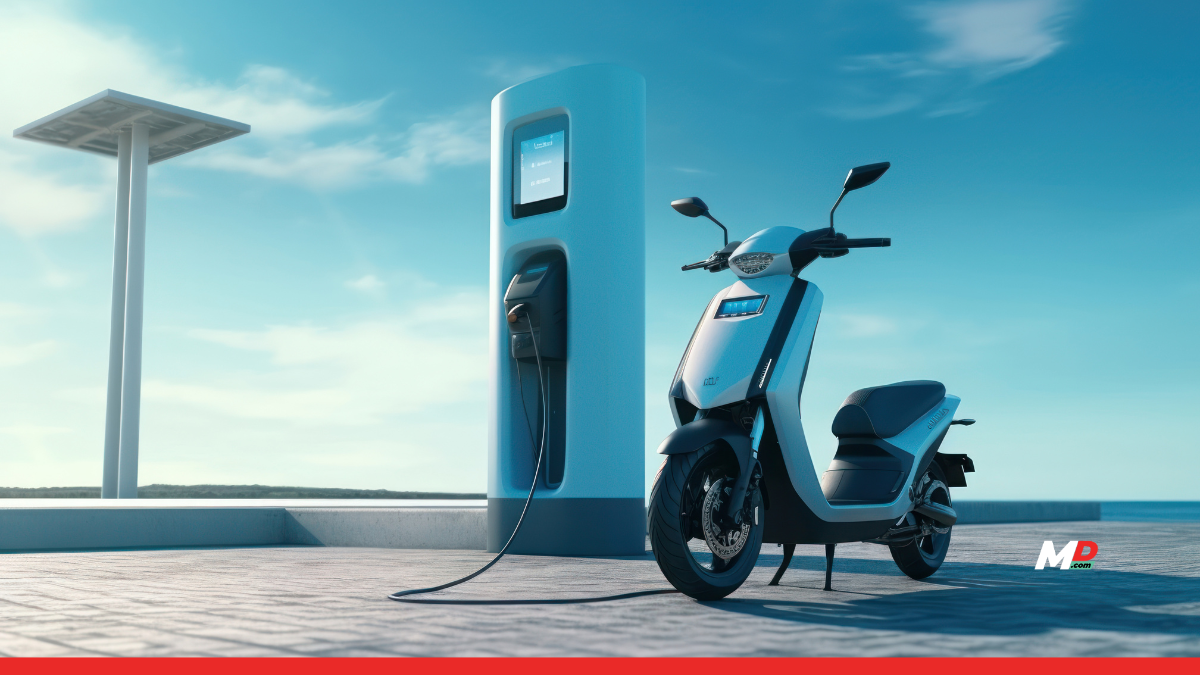
India sold over two crore two-wheelers in a single fiscal year, and the electric wave is no longer a footnote in that story. Gunjan Malhotra, Co-founder of Komaki Electric Vehicles, has been building in this space long enough to separate signal from noise. In this conversation, he talks about what is actually driving the EV shift, where the real hesitations lie, and why the next chapter belongs to smaller cities.
India just crossed 2 crore two-wheeler registrations in a single fiscal year. From where you sit, what does that number actually tell us about how Indians are choosing to move around today?
More than 2 crore two-wheelers were sold in a single financial year, showing just how important these vehicles are in the daily lives of people across India. From commuting to work and going to college to local deliveries and daily chores, two-wheelers remain the most practical and dependable way to get around for millions of people. What is changing now is the mindset of the consumer. People are no longer looking only at affordability while buying a vehicle. People are no longer choosing a vehicle based only on the showroom price. They are also thinking about fuel savings, maintenance, comfort, features, and how useful the vehicle will be in day-to-day life over the next few years.
Interest in personal mobility is now growing well beyond metro cities. People in smaller towns and Tier 2 and Tier 3 cities are also showing interest in electric vehicles now. People are looking more closely at how useful a vehicle will be in daily life, what it will cost to run day-to-day, and whether it will stay easy and affordable to maintain over the years.
Electric two-wheelers are clearly no longer a niche conversation. But what is it about this moment, specifically, that has made the everyday buyer genuinely consider making the switch?
A few years ago, many people weren’t sure about using electric two-wheelers for daily travel. Concerns around charging access, battery life, and how EVs would actually perform on real roads were quite common earlier. As electric vehicles have become a more common sight on roads and in neighbourhoods, many of the initial doubts around using them for everyday travel have started to fade, making more people open to considering them for their daily commute.
Rising petrol prices are making everyday travel more expensive for many households, which is why more people are now looking for options that can help them bring down regular commuting costs. This is one of the key reasons electric vehicles are drawing greater attention from everyday commuters. Many people are now looking at the overall cost of ownership and finding that EVs can help reduce regular commuting costs. Better battery performance, improved riding range, more practical features, and easier access to charging have also made buyers far more comfortable with the switch.
Most people today want a vehicle that is simple to use every day, comfortable on regular rides, and does not create too many servicing or maintenance hassles. Electric two-wheelers are fitting naturally into that expectation, especially for urban commuting and short-distance daily travel.
Komaki has been building in this space for a while now. What is the one assumption about the Indian EV buyer that the market has proven completely wrong?
One assumption that has clearly proven wrong is the belief that Indian EV buyers only care about low prices. Cost is definitely important, but today’s consumers are looking at the complete ownership experience. They want reliability, comfort, design, good ride quality, practical range, after-sales support, and features that make daily commuting easier.
We have seen buyers ask very informed questions before making a decision. Buyers today are asking more practical questions before making a decision. Before buying an EV, people now want clear answers about charging, battery performance, servicing, and whether the vehicle will suit their daily travel comfortably. This shows that buyers today understand electric vehicles much better than they did a few years ago.
Earlier, many people believed electric vehicles would mostly remain limited to metro cities, but demand is now growing in smaller towns as well. In many of these markets, people are looking at EVs mainly because they make daily travel more affordable. The chance to save on fuel and keep daily commuting costs under control is prompting more buyers to look at electric mobility.
There is a lot of talk about Tier 2 and Tier 3 cities being the next big frontier. In your experience, is that enthusiasm backed by what you are actually seeing on the ground?
Interest is growing steadily across Tier 2 and Tier 3 cities in India, with more people in smaller towns and developing urban areas exploring these vehicles for their everyday travel needs. In many of these places, two-wheelers are the main mode of transport, so people are naturally paying more attention to vehicles that can save money on daily travel and reduce overall running costs.
Buyers in these markets are much more open to electric vehicles now than they were earlier. People are spending more time comparing different EV models and checking which option will suit their daily travel better. For many first-time buyers, just seeing friends, neighbours and colleagues already using electric vehicles in their daily lives has helped build trust. It also makes the switch feel less unfamiliar and gives people more confidence to consider it for their everyday use.
Consumers in these markets want vehicles that can manage daily travel reliably without constant maintenance concerns. Along with affordability, they also value dependable service support, easy availability of assistance, and the reassurance that the vehicle will continue to perform well over the long run. Companies that understand how people actually use their vehicles every day are more likely to gain trust in these markets.
Running costs are often cited as the big draw for electric two-wheelers. But for a first-time EV buyer in India, what is the real hesitation that still needs to be addressed?
Lower day-to-day costs are encouraging more people to consider EVs, but many first-time buyers still have few doubts before taking a final decision. Most people want to understand how reliable the vehicle will be after long-term use, whether charging will be convenient, how easily servicing will be available, and what resale value they can expect later on. These concerns are quite common among buyers moving from petrol vehicles to electric for the first time.
Before deciding on an electric two-wheeler, most buyers try to understand how well it will fit into their daily routine. They usually look for clarity on charging convenience, the distance the vehicle can realistically cover in regular traffic conditions, and whether service and support will be easily available after the purchase.
People today understand electric vehicles much better than they did a few years ago. Buyers are no longer making quick decisions. They’re taking their time to look at different models, compare features, and figure out how a vehicle will actually fit into their daily routine. As expectations have evolved, companies are placing greater emphasis on product dependability, stronger service networks, and creating an ownership experience that feels smooth and convenient from the very beginning.