
Viral
Stanford students stage walkout during Sundar Pichai’s commencement address


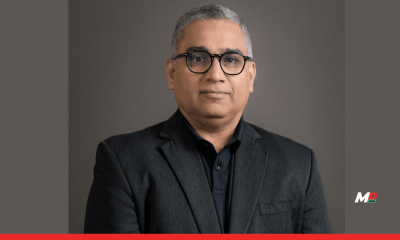
Stanford Stadium has seen its share of landmark moments. On June 14, 2026, it added another, though not quite the kind Sundar Pichai may have envisioned when he stepped up to deliver the commencement address to the university’s Class of 2026.
As the Alphabet and Google CEO opened his speech, approximately 200 graduates rose from their seats and walked out. They weren’t bored; they were protesting Google’s contract with the Israeli government, with students raising “Free Palestine” slogans as they exited.
The walkout had been organised weeks in advance by Stanford Students for Justice in Palestine, with Project Nimbus its focal point. For those not in the know, the Project is a roughly $1.2 billion deal granting Israeli government agencies cloud and AI services from Google and Amazon.
What made Pichai’s response particularly notable was not what he said, but what he chose not to say. In a speech season where other tech leaders had drawn boos for leaning into the topic of artificial intelligence and job displacement, Pichai sidestepped AI entirely. This was a pointed departure from his public posture over the past year, during which he has championed Google’s Gemini-powered agents and a vision for personalised AI at scale.
Instead, he drew on his personal journey. He spoke of his route from Chennai to IIT Kharagpur to Stanford and eventually to the helm of one of the world’s most powerful technology companies. In doing so, he urged the graduating class to pursue hard problems with what he called “California optimism.” The speech was received warmly by those who stayed, but the empty seats in the stadium told their own story.
Google is no stranger to the Nimbus controversy from within its own walls. In 2024, the company fired more than two dozen employees who had protested the contract, fuelling the No Tech for Apartheid campaign. The renewed pressure at Stanford suggests the issue has found its way from corporate corridors to campus quads and is unlikely to dissipate quietly.
The walkout drew sharp reactions from prominent voices. Venture capitalist Vinod Khosla called it “biased, idiotic, short-sighted and selfish,” arguing that the students had squandered what he saw as a historic opportunity. Congressman Ro Khanna offered a more measured counter, acknowledging the students’ right to free expression regardless of where one stands on the contracts themselves.
The contrast at Stanford’s 2026 commencement was stark: a CEO urging graduates to set their hearts ablaze, addressing an audience from which a portion had already walked away. Whether Google responds to the renewed scrutiny or waits it out remains to be seen. What is clear is that for a graduating class shaped by conflict, technology, and consequence, silence is no longer an option.