

Politics
Fuel prices hiked for the fourth time in 10 days

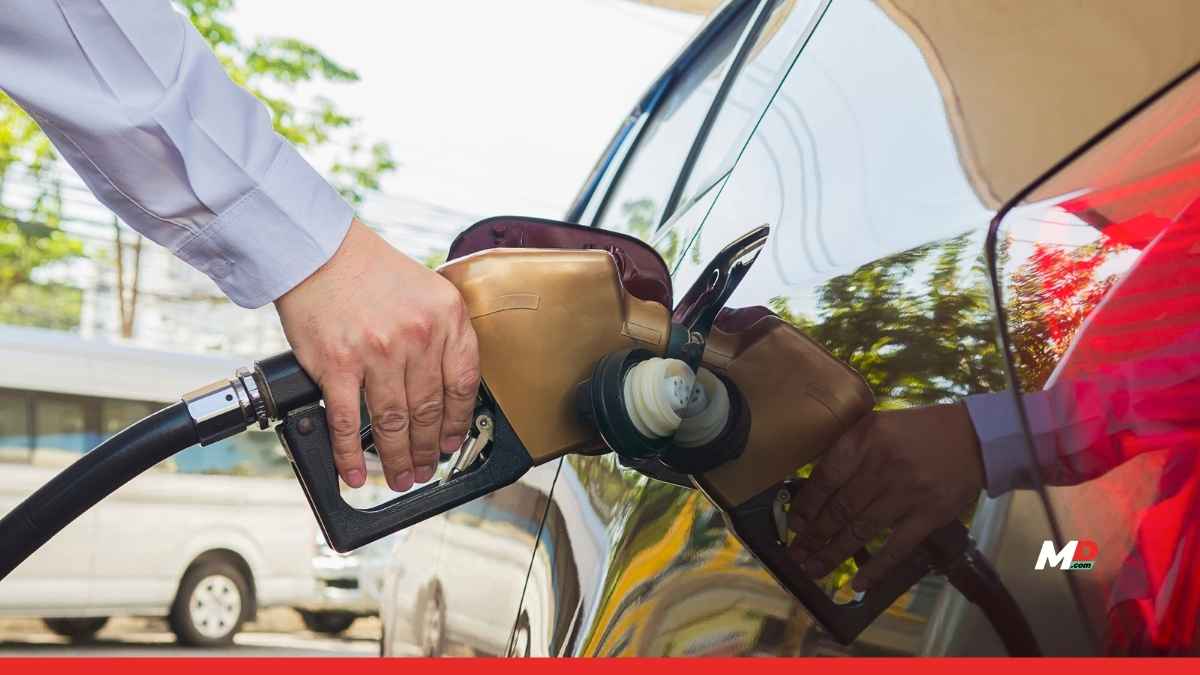
Indians everywhere pulling up to their local fuel pump would have been in for a rude shock over the course of the last 24 hours, as state-run oil marketing companies announced the fourth fuel price hike in under ten days, raising petrol by Rs 2.61 per litre and diesel by Rs 2.71 per litre across major cities.
Also read: India hikes fuel prices again amid inflation fears
In Delhi, petrol now costs Rs 102.12 per litre; diesel stands at Rs 95.20. In Mumbai, both fuels have crossed the Rs 110 mark. Cumulatively, since the first major revision on May 15, petrol and diesel have each risen by approximately Rs 7.50 per litre.
The trigger is straightforward and well-documented: the Iran-US conflict and the blockage of the Strait of Hormuz have sent global crude prices soaring from roughly $65-70 per barrel to the $110-115 range. For India, which imports over 85 percent of its crude oil requirements, the arithmetic was always going to hurt. The only question was how long the government and the oil marketing companies could absorb the damage before passing it on.
The answer, it turns out, was about 76 days. ONGC Director (Exploration) Sushma Rawat acknowledged as much, noting that India had provided relief to consumers throughout this period even as the underlying cost picture worsened. “The OMCs were taking a hit of almost Rs 1,000 crore a day. How long do you sustain that?” she said. Former BPCL Marketing Director Sukhmal Kumar Jain echoed the sentiment, confirming that public sector oil companies remain in heavy under-recovery territory even after the four rounds of hikes.
The phased nature of the revisions reflects both the political sensitivity of fuel pricing in India and the operational reality facing state-run retailers. BPCL, Indian Oil Corporation and Hindustan Petroleum together control more than 90 percent of the country’s 103,000 fuel stations. Their combined financial exposure during the period of price suppression was enormous, and the current correction, while painful for consumers, is being managed in incremental steps rather than a single sharp revision.
The broader economic implications are significant. Fuel prices are a primary input across transportation, logistics and agriculture. A cumulative increase of Rs 7.50 per litre within a fortnight will work its way through supply chains, adding upward pressure to already elevated consumer prices. For households running tight budgets, and for the vast fleet of commercial vehicles that move India’s goods, this is not an abstraction.
The geopolitical backdrop offers little immediate comfort. Crude price volatility, in the words of Rawat, tracks closely with the pace of conflict resolution in West Asia. “Whenever there is a declaration that there is a peace accord, the crude prices start to dip. And when you realise that there is no solution, the prices go up again.” With no durable settlement in sight, BPCL has already flagged the possibility of further energy disruptions ahead.
India’s fuel price story in May 2026 is ultimately a story about delayed reckoning. The government extended relief for as long as the system could bear it. The system, evidently, has reached its limit, and consumers are left with the bill for the expensive choices made elsewhere.