

Business
Oil prices have cooled by 40%. So why hasn’t India cut fuel rates?

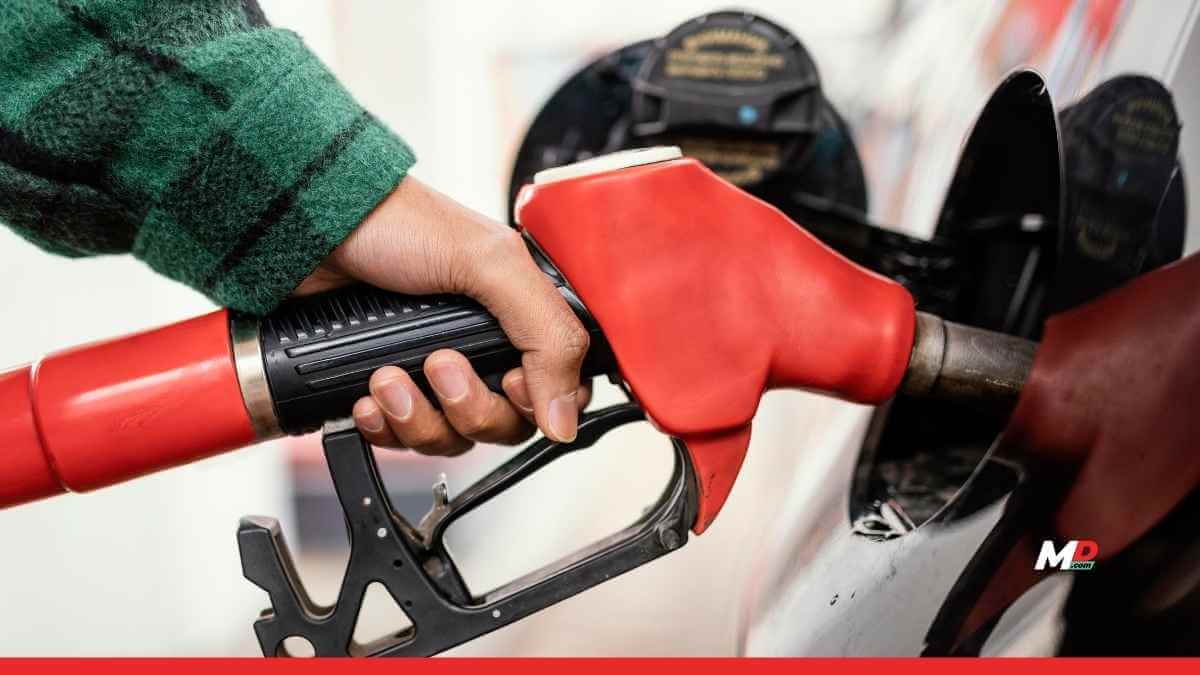
Global crude oil markets have cooled sharply over the past few months, with prices down by as much as 40% from the highs triggered by the West Asia conflict earlier this year. As tensions in the region eased and a key maritime route reopened, supply fears that had gripped energy markets began to lift, and Brent crude settled into a far calmer range. For consumers across Asia, that should have meant one thing: cheaper fuel at the pump. In some places, it has. But not where you might think.
Prices cool in Colombo
Sri Lanka moved first. The Ceylon Petroleum Corporation, operating under a cost-reflective pricing mechanism mandated by its IMF bailout programme, cut petrol and diesel prices by up to six percent, its first reduction since the conflict began. The cuts were modest and drew criticism from motorists and trade groups who felt they fell short of what falling global prices actually justified, but the direction of travel was clear. When crude falls, Colombo’s pricing formula eventually reflects it, however imperfectly.
India has taken a different path. On Wednesday, Nayara Energy, the country’s largest private fuel retailer, cut petrol prices by Rs 5 a litre and diesel by Rs 3, reversing the increase it had imposed back in March when the conflict first pushed prices up. It was the first cut by any fuel retailer in India in over two years. But India’s public sector oil marketing companies, Indian Oil, Bharat Petroleum and Hindustan Petroleum, which together dominate the market, have held rates steady. In Delhi, petrol continues to sell at over Rs 102 a litre, unchanged even as the private player next door moved.
Wait and watch
The official line from the state-run OMCs is a wait and watch approach. Global prices, the reasoning goes, remain volatile, and a premature cut could leave the companies exposed if crude rebounds. It’s a cautious argument, and not an unreasonable one on its face. But it sits awkwardly next to what analysts are now saying about OMC profitability.
A recent JP Morgan report found that composite margins on petrol and diesel at India’s state-run refiners and retailers have climbed back above pre-conflict levels, helped along by lower crude costs and a cut in central excise duty that the government made in March.
In other words, the benefit of cheaper oil is very much showing up, just not at the pump. It is showing up in OMC balance sheets, easing the debt these companies piled up during the months they were selling fuel below cost. JP Morgan expects strong earnings in the coming quarters if crude stays subdued, and flags BPCL and IOC as the preferred picks for investors riding that trend.
That leaves Indian consumers in an odd spot. The private sector has passed on relief, however partial. The public sector, still recovering from its own under-recovery losses, is holding the line, with a tax structure that gives the government room to eventually claw back the excise cuts once oil stabilises. Whether that wait and watch turns into an actual price cut, or simply into higher margins for a little longer, is now the question hanging over India’s fuel pricing debate.