
Technology
Dard-e-disc-o: Sony to kill off game discs and go all-digital

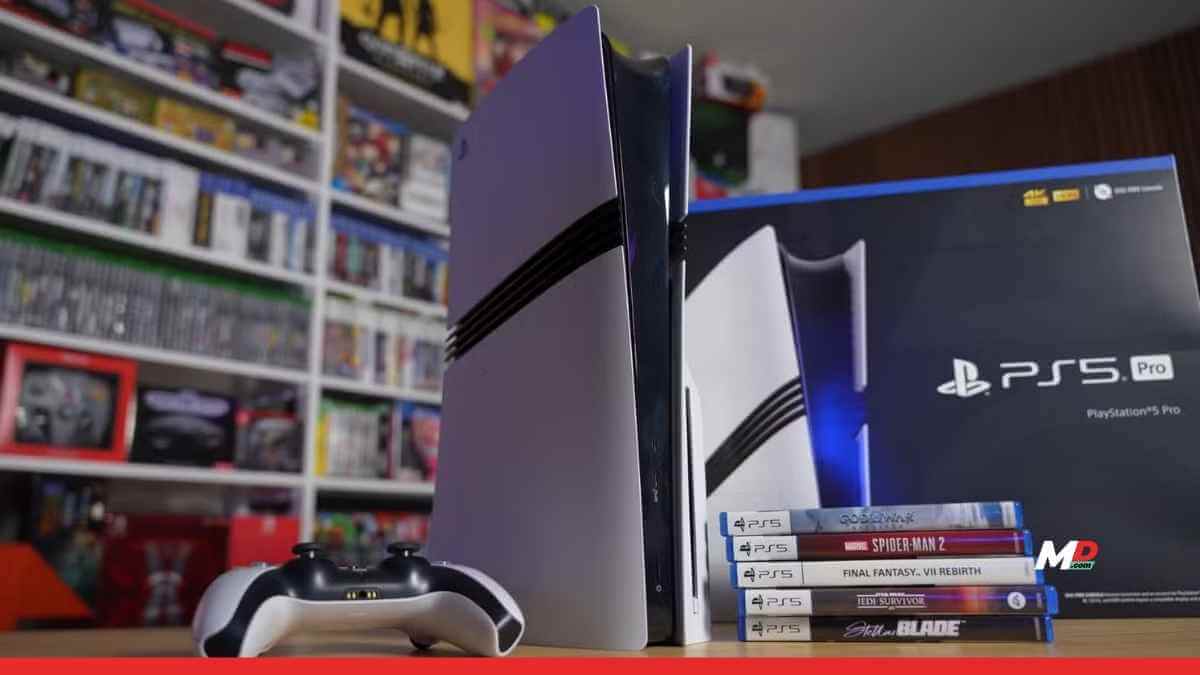
Sony has just confirmed what many gamers feared was coming. Starting January 2028, the company will stop producing physical PS5 discs, making digital the only way to buy a new PlayStation game. Alongside this, Sony is winding down the digital storefronts for the PS3 and PS Vita, a move that quietly makes an entire generation of games unreachable once those stores go dark. Taken together, the two announcements offer a preview of a future every gamer should be worried about.
On paper, the shift makes sense. Sony’s own numbers show that around 80 percent of PS5 games are already sold digitally, and physical media has become a shrinking niche. Even Rockstar is joining in, confirming that the next Grand Theft Auto will arrive in stores as a code in a box rather than an actual disc. But convenience for the player is only half the story. The other half is control, and increasingly, players have none of it.
A fully digital library sounds appealing until you remember that nothing in it is truly owned. Every digital purchase is really a license, valid only for as long as the platform holder chooses to honour it. Sony proved exactly how fragile that arrangement is when it recently told customers in the United Kingdom that they would lose access to 551 movies and shows from StudioCanal, including titles they had already paid for, simply because a licensing deal expired.
It is not the first time either. Sony pulled hundreds of titles from libraries in Germany and Austria back in 2022, and wiped out Funimation libraries entirely after folding the service into Crunchyroll. Buy a movie or a game digitally, and you are trusting a corporation to keep a promise it never actually made.
None of this makes digital gaming worthless. It is convenient, it saves shelf space, and sales can be genuinely excellent. But convenience should not come at the cost of ownership. Until platform holders are willing to guarantee permanent access to what customers pay for, going fully digital simply means trading a small amount of comfort for a great deal of control, handed straight to the publisher.