

Politics
King in the North: Who is Andy Burnham, the next potential PM of the UK?

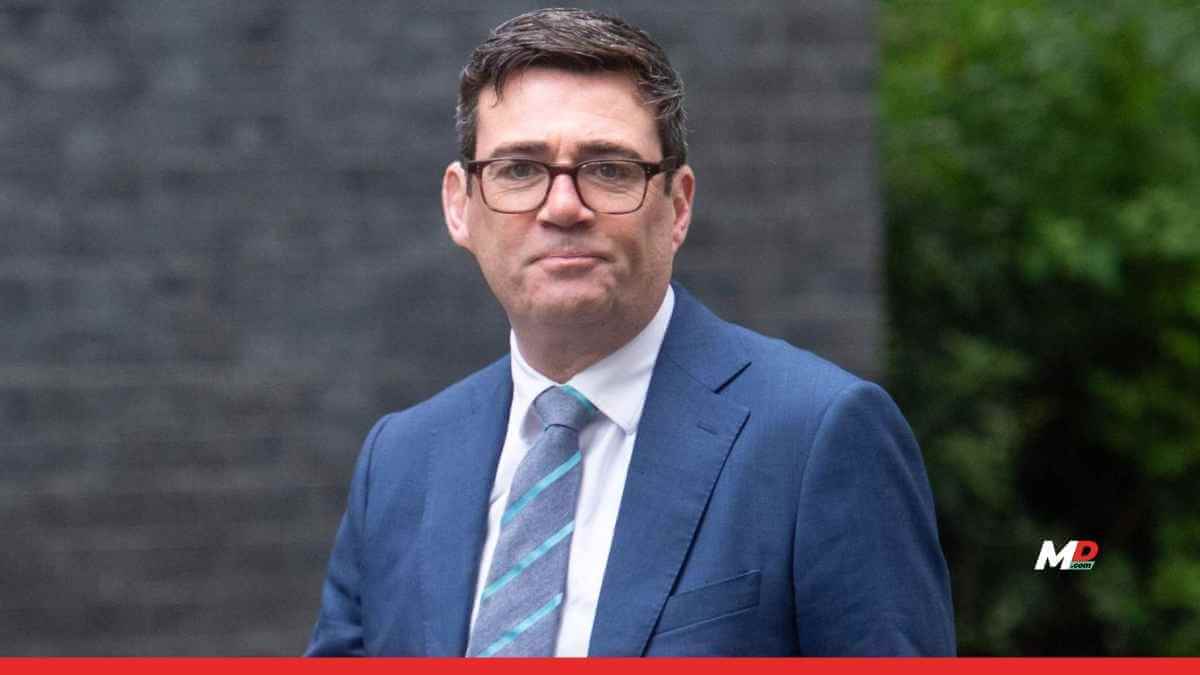
Keir Starmer has resigned, and the man who spent a decade building power in Manchester is now the overwhelming favourite to run Britain
Keir Starmer announced his resignation as Prime Minister on Monday, ending nearly two years in office that began with a landslide and ended under sustained pressure from his own party.
Starmer had vowed to fight any leadership challenge, but his position became untenable after Andy Burnham, the mayor of Greater Manchester, won a parliamentary by-election in Makerfield with a decisive share of the vote, clearing the last procedural hurdle to a leadership bid. Nominations open on July 9, and unless a serious rival emerges to contest him, Burnham could be inside 10 Downing Street within weeks.
Who is Andy Burnham?
Burnham, 56, is not a new face. Born in Aintree and raised in Culcheth, the son of a telephone engineer and a receptionist, he studied English at Cambridge before working his way up through Labour’s machinery, first as a researcher, then as an MP for Leigh from 2001. He held three Cabinet posts under Tony Blair and Gordon Brown, including Health Secretary, and ran for the Labour leadership twice, in 2010 and 2015, losing both times. Rather than fade into the backbenches, he left Westminster altogether in 2017 to become the first directly elected Mayor of Greater Manchester, a job most Westminster insiders considered a step down. It turned out to be the making of him.
As mayor, Burnham brought Manchester’s buses and trams under public control through the Bee Network, capped fares, launched a homelessness scheme called A Bed Every Night, and pushed through the Hillsborough Independent Panel that exonerated 97 Liverpool fans. He earned the nickname “King of the North” during the pandemic, when he publicly clashed with Boris Johnson’s government over what he called London-centric lockdown funding. The title stuck, equal parts compliment and warning about his ambition.
‘Manchesterism’ to the fore
That record now underpins what he calls “Manchesterism,” a vision built on pulling power and money out of London and into Britain’s regions. He describes his economic approach as “business-friendly socialism”: greater state involvement in housing, transport and utilities, without committing to full nationalisation. He has promised to stay within existing fiscal rules and Labour’s pledge not to raise taxes on working people, while protecting the pensions triple lock, a combination critics say leaves little room to fund his ambitions. He has also tried to reassure markets after unsettling investors last year with comments about Britain being “in hock to the bond markets,” insisting since that he was misunderstood.
Politically, Burnham sits to the left of Starmer, campaigned to remain in the EU, and has said he would like Britain to rejoin in his lifetime, though he insists that is not a current priority. He backs some of the government’s tougher immigration measures while pushing to let asylum seekers stuck in the system work. Supporters call him one of Labour’s most natural communicators, comfortable in jeans and trainers, equally at home talking football, DJing 1990s tracks, or taking on a Prime Minister. Detractors call his politics short on detail and warn that running a country of 70 million bears little resemblance to running a city region of 3 million.
Whether Manchesterism can survive contact with Westminster and the bond markets is the question that will define his premiership before it has even begun.