Politics
‘Encouraging progress’: What next after Iran-US talks progress?

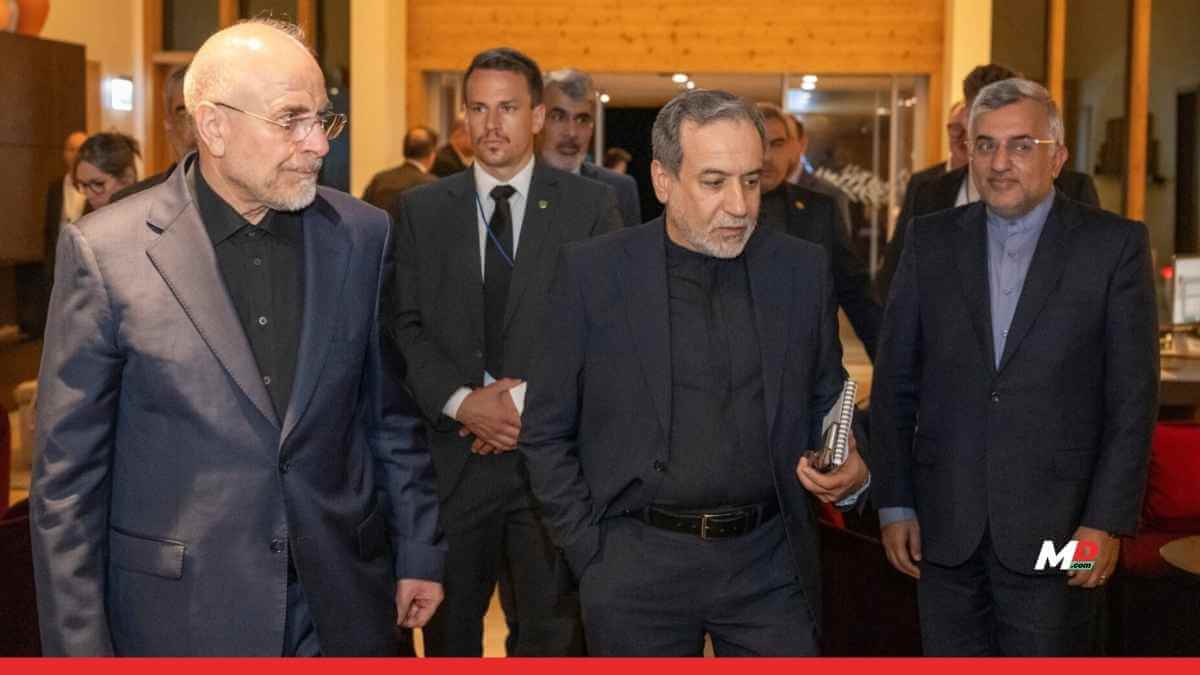
For a few hours on Sunday, the most consequential diplomatic effort in the Middle East this year looked like it might unravel over a Fox News interview.
US and Iranian officials had gathered at the Bürgenstock resort above Lake Lucerne to build on the 14-point memorandum signed on June 17, the framework meant to end the war that began in February. Vice President JD Vance, flanked by Jared Kushner and Steve Witkoff, sat across from Iran’s Parliament Speaker Mohammad Bagher Ghalibaf and Foreign Minister Abbas Araghchi, with Pakistan and Qatar mediating. Vance opened with the kind of line negotiators reach for when they want history to remember them well: could the two countries “turn over a new leaf,” or would they revert to old patterns?
Also read: Iran Closes Strait of Hormuz Amid Lebanon Conflict
Trump goes on the offensive
Then Trump, speaking from Camp David, gave Fox News’ Trey Yingst a different kind of soundbite. Asked about Iran’s threat to close the Strait of Hormuz, he said he’d told Iranian officials directly: close it and “you won’t have a country.” He went further, warning Tehran it wouldn’t “make it back” home, and floated the idea of the US simply taking over the strait and collecting tolls if no deal materialized.
It landed exactly as badly as it sounds. Iranian state media said talks had hit a “difficult phase” and recessed after what it called an insulting message. The Iranian delegation left the negotiating room and met privately with Qatari mediators. Ghalibaf posted on social media that Iran’s armed forces were “prepared to respond… in a different manner,” and that Tehran preferred action to talk. For a window of a few hours, multiple outlets reported the talks had effectively stalled, with a senior Pakistani official describing a last-ditch effort by Islamabad’s interior minister to keep the Iranian delegation from walking out altogether.
Luckily, talks didn’t break. An official familiar with the talks told the Associated Press the Iranian side never indicated to mediators that it intended to leave, and by Sunday night the two delegations were back in the room, reportedly working through the night.
By Monday morning, Qatar and Pakistan were able to announce what they called “encouraging progress” and a roadmap toward a final deal within 60 days. A high-level committee was set up to oversee the process, with working groups on the nuclear file, sanctions, and dispute resolution. A “de-confliction cell” was created to monitor the Lebanon ceasefire, and a separate communication channel was set up specifically to manage Strait of Hormuz traffic, after transits through the waterway had fallen from 35 a day to just 12.
Araghchi claimed on social media that Washington had waived sanctions on Iranian oil and petrochemical exports, released some frozen assets, and launched a reconstruction plan for Iran, though the US has not confirmed these details publicly.
What’s next?
What next is the harder question. Analysts including the Atlantic Council’s Thomas Warrick warn the technical negotiations ahead, particularly over what happens to Iran’s enriched uranium stockpile, may be tougher than the political deal itself and could blow past the 60-day window.
Congress, deeply unhappy with the agreement, may not cooperate on sanctions relief. And Lebanon remains the deal’s most fragile piece: neither Israel nor Hezbollah signed anything, Netanyahu has vowed to stay in southern Lebanon as long as he sees fit, and the head of the Quds Force has already warned Israel to leave or face a repeat of 2000.
The talks survived Sunday. Whether the roadmap survives the next sixty days is a different matter entirely. The world watches on with bated breath as this high stakes face-off continues.