Politics
US and Iran agree to a ‘peace deal’ to end war

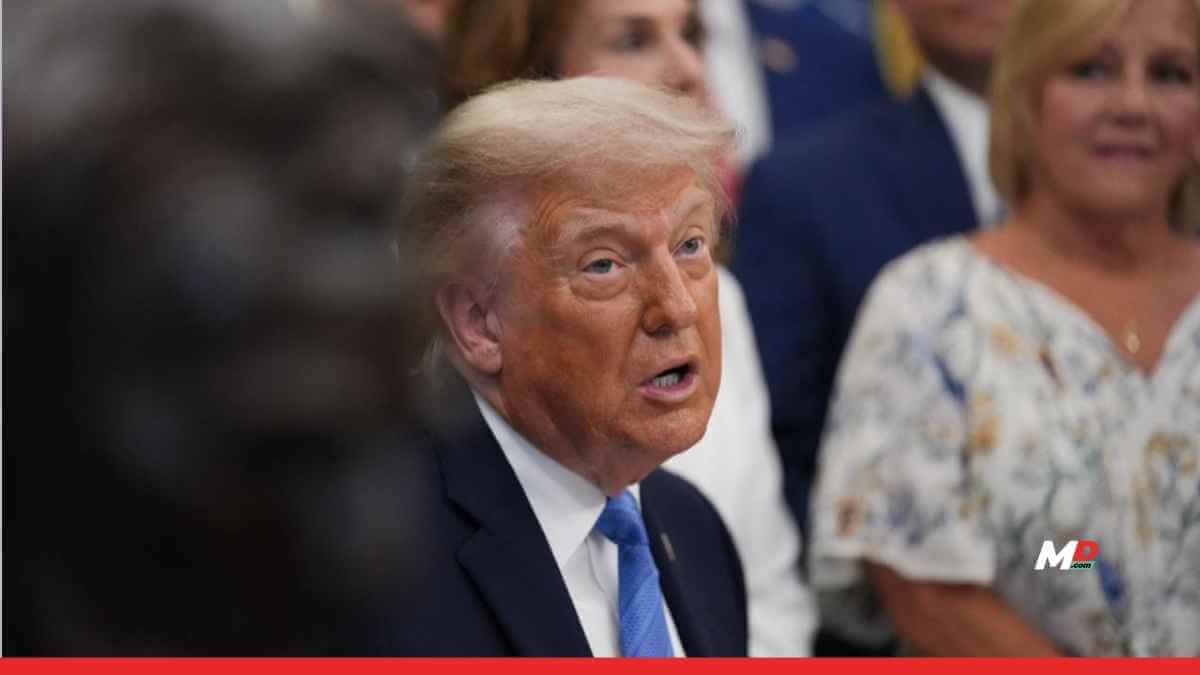
The United States and Iran agree on a peace deal, but it remains to be seen how long-lasting it will be
The world watched on, half in hope and half in dread, as Washington and Tehran inched towards a deal that could pull the Middle East back from the brink and reopen the arteries of global trade.
Earlier this week, a senior Iranian official briefed Reuters on the terms of a draft memorandum of understanding that the two sides are working toward. The picture that emerged was one of significant concessions on both ends, wrapped in the language of diplomacy, but underpinned by the architecture of pressure.
Under the proposed framework, Iran would immediately reopen the Strait of Hormuz to all commercial vessels, while the United States would lift its naval blockade on Iranian ports within 30 days of the memorandum being signed. The US would also waive oil sanctions on Iran for a specified period, allowing Tehran to resume exports and receive revenue.
Critically, Washington has agreed to the release of $25 billion in frozen Iranian assets, through a combination of direct cash transfers, regional cooperation mechanisms, and financial credit arrangements. A US-led reconstruction and development plan for Iran, to be negotiated with Tehran, would follow within 60 days, and is valued at close to $300 billion.
On the nuclear front, Iran has committed to neither producing nor acquiring nuclear weapons. Pending a comprehensive final agreement, Tehran would hold its nuclear programme at its current status, refraining from further enrichment or expansion of facilities. The US, in turn, has agreed to allow Iran to dilute its stockpile of highly enriched uranium on Iranian soil under any future comprehensive deal. All US and UN sanctions, the Iranian official said, would be lifted according to an agreed timetable once a final agreement is reached.
It reads like it has the makings of a historic accord. But peace, in this region, has a long history of looking more certain on paper than it proves to be in practice. And that has been equally true in recent times.
The ceasefire that made these negotiations possible has been fragile from the start. Since April 8, when Pakistan brokered a two-week pause in hostilities, the arrangement has been punctuated by skirmishes, Iranian lawmakers signalling Tehran’s military posture was hardening, and an Israeli strike in Beirut that prompted a sharp rebuke from President Trump himself. Even as Trump declared the deal was “largely negotiated,” Iranian parliamentarians were asserting that the country would not relinquish control of the Strait of Hormuz. Multiple ceasefires were announced, then violated, as a fragile peace took hold.
The deal’s real test, analysts caution, will come in the weeks and months that follow. The 60-day window for finalising a comprehensive agreement is both an opportunity and a vulnerability. Each side will be managing domestic constituencies for whom compromise looks like capitulation. Iran’s hardliners have already demonstrated their capacity to derail diplomacy. Washington’s foreign policy environment is no less combustible.
There is also the variable no memorandum can fully contain: Israel, which says it will not withdraw from Lebanon. The G7 summit beginning this week was expected to put the Strait of Hormuz back at the centre of multilateral attention, but Israel’s aggression served as a reminder that events on the ground do not pause for diplomacy.
What is taking shape is not, as yet, a peace deal. It is a framework for the possibility of one. The Strait of Hormuz, which carries roughly a fifth of the world’s traded oil, has become the physical embodiment of the conflict’s stakes. Its reopening would signal something meaningful. But as the past several months have shown, signals can be reversed.
The agreement, if it holds, represents one of the more consequential diplomatic developments in the Middle East in years. If it doesn’t, the world will have witnessed, once again, how close order can come to chaos before the moment slips.