

Technology
How technology is redefining safe corporate travel for women in India

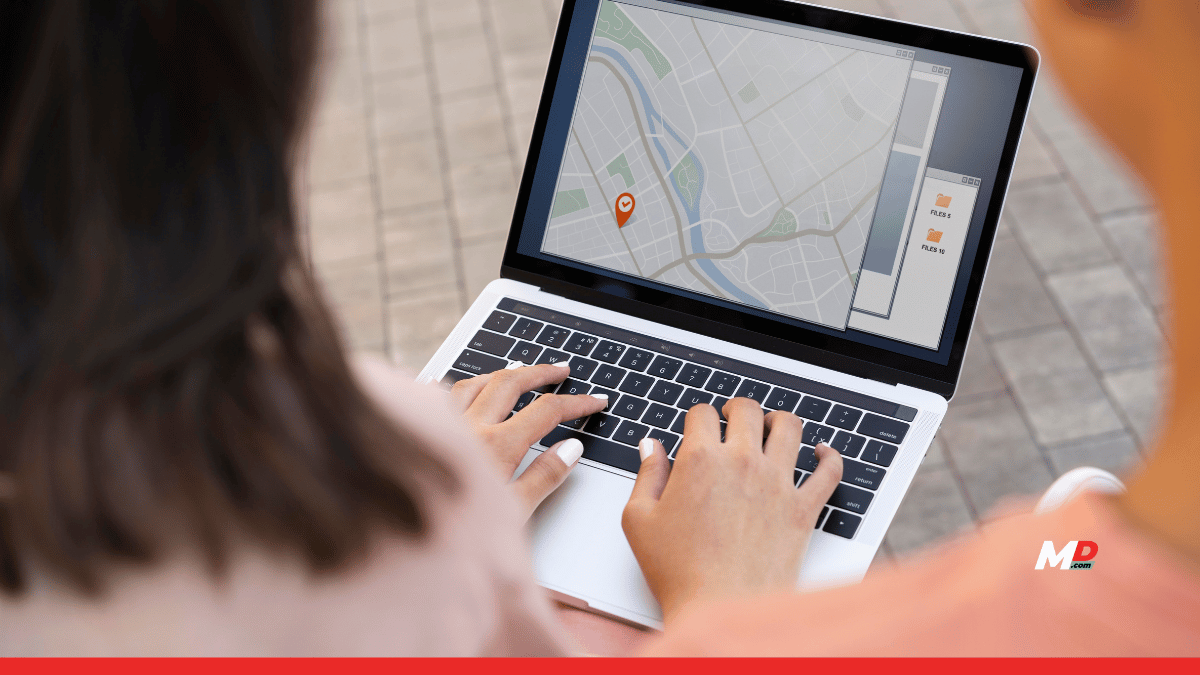
For many women in India, the workday doesn’t end at the office door. Night shifts, early-morning departures and late client meetings are all part of the job, and each one comes with a commute. Companies have made real efforts to bring more women into the workforce, but getting them to work and back home safely remains the employer’s responsibility.
Meeting that responsibility at odd hours used to be hard. Once a cab left the gate, there was little anyone could do beyond a phone call and some hope. Technology has changed that. Today, employers can see where a vehicle is, follow how a trip is progressing and step in the moment something looks wrong.
Real-time GPS tracking is improving journey visibility
Knowing where an employee’s vehicle is at every point of the trip makes a real difference to safety. GPS tracking gives companies and transport teams live information on every vehicle on the road. If a cab drifts off its route or stops somewhere longer than expected, the team can check in right away. For a woman heading home late at night, knowing the trip is being watched offers genuine peace of mind.
Trip monitoring is strengthening accountability
Tracking tells you where a vehicle is; monitoring tells you how the journey is going. Transport managers can follow each trip from the moment the cab leaves for pickup until the employee reaches her destination. If she doesn’t arrive on schedule, the system alerts the right people. Companies can then build clear procedures around this: how pickups are confirmed, how trips are closed, and who follows up when someone hasn’t checked in.
Technology is helping companies manage late-night shifts
Late-night travel calls for extra care, because help can be harder to find when something goes wrong. Modern platforms handle scheduling, route planning, driver allocation and drop-offs in one place, and many add emergency alerts, designated contacts and trip notifications on top. Corporate mobility providers such as SKIL Cabs bring these tools together so that night-shift travel is planned, tracked and accounted for, rather than left to chance.
Fleet management systems are making employee transport more organised
Employee transport has many moving parts: vehicles, drivers, routes, pickup schedules and shifts that change from week to week. Fleet management systems bring all of this under one roof, cutting down on errors, oversights and miscommunication. Vehicles are matched to employee schedules, driver details and vehicle status stay up to date, and smarter routing reduces delays. For a woman travelling at odd hours, an organised system means no confusion about who her driver is or what to expect.
Digital records support incident reviews and corrective action
When something does go wrong, digital records show what actually happened. Pickup and drop-off times, route history and trip updates help pinpoint the problem. They also reveal whether safety rules were followed and where communication broke down, so the company can fix the real gap instead of guessing at it.
Technology enables a more proactive approach to safety
The best safety systems catch problems before they become incidents. Repeated delays, frequent route changes or missed check-ins are early signs that something needs attention. Companies can use these patterns to refine routes, review transport partners, train drivers and tighten safety checks. Reviewing travel data regularly shows what’s working, where the gaps are and how to make every trip safer.
Safe corporate travel needs more than technology alone
Technology is only as good as the people and policies behind it. A tracking alert is useful only if someone responds to it quickly. Companies need clear safety guidelines, staff who enforce them, and transport partners they can trust to verify drivers and keep vehicles in good condition. That is why choosing an experienced partner like SKIL Cabs matters as much as choosing the right software. Just as important, employees need a safe, judgment-free channel to raise concerns and be heard.
As India’s workforce grows, businesses owe their employees travel that is safer and more dependable. With the right technology and the right partners, whether that’s SKIL Cabs or another trusted provider, the goal is simple: every woman should feel supported, confident and safe on her way to work and back home again.
Vikas Kejriwal is CEO of SKIL