
Entertainment
8 lesser-known facts about Nana Patekar

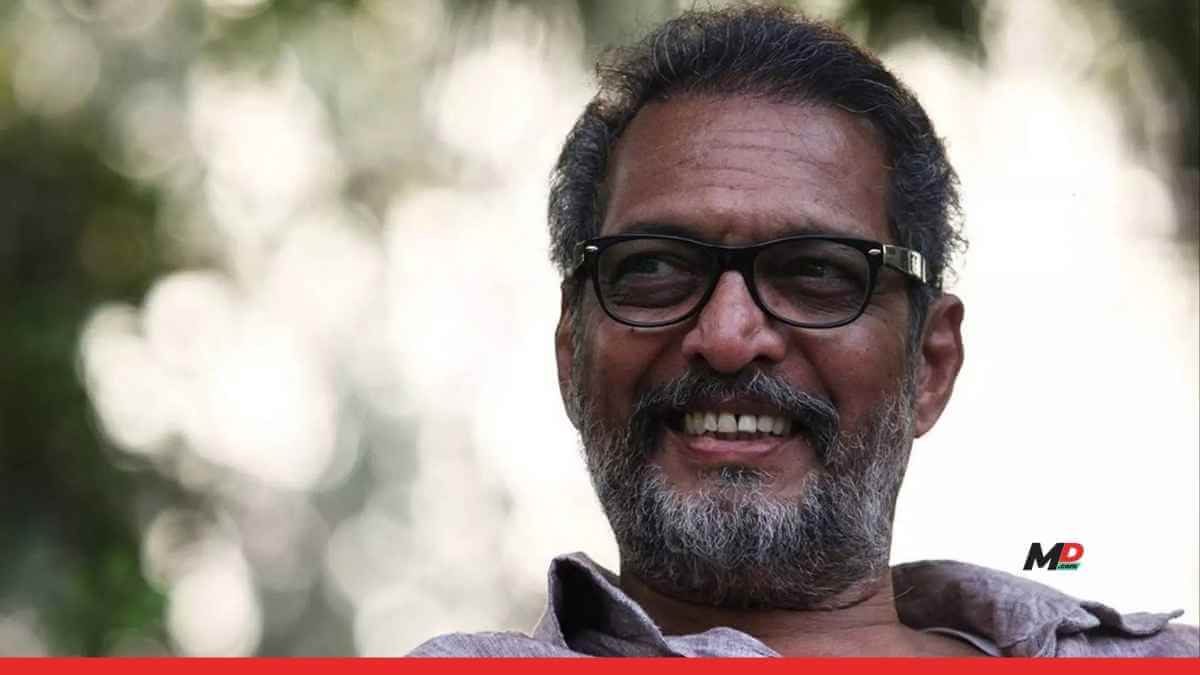
Nana Patekar was one of Indian cinema’s most recognisable actors, yet his life story was considerably more unusual than the roles that made him famous. Before Parinda, Krantiveer, Agni Sakshi, Ab Tak Chhappan or Natsamrat, there was poverty, poster painting, art school, theatre and a determination to earn a living.
Here are eight lesser-known facets of the actor’s life and career.
1. His first job was painting film posters for Rs.35 a month
Patekar was still in school when his family’s financial circumstances changed dramatically after his father’s business collapsed. He began working to help support the family, painting cinema posters for a Parsi employer.
He recalled earning Rs.35 a month and receiving one meal a day. He would attend school in the morning and walk several kilometres to work afterwards. Patekar later said that the hunger and humiliation of those years taught him lessons that stayed with him as an actor.
2. He was trained as a commercial artist
Acting was not his only creative pursuit. Patekar studied at the Sir J.J. Institute of Applied Art in Mumbai, after earlier studying at what was then the Bandra School of Art.
He subsequently worked at an advertising agency as a commercial artist and visualiser. Eventually, he had to choose between the security of a regular job and theatre. He chose the stage.
3. Theatre was his first great love
Patekar began performing in theatre while he was still young, and the stage remained central to his artistic identity even after cinema made him famous.
His theatrical background also connected him with some of Marathi theatre’s most important figures. He worked with director Vijaya Mehta, among others, and later credited theatre with giving him the tools that shaped his screen performances.
His entry into Hindi cinema was also helped by another theatre connection: Smita Patil. She encouraged the reluctant actor to try films and took him to filmmaker Ravi Chopra.
4. He trained with the Indian Army for almost three years
For Prahaar: The Final Attack, which he also directed, Patekar underwent extensive military training. He has said that he trained with the Army for almost three years while developing the film.
The preparation was considerably more serious than the usual actor’s boot camp. His exposure to military training became one of the defining elements of Prahaar, which remains one of the more unusual directorial debuts in Hindi cinema.
5. His Army connection continued into the Kargil War
Patekar’s association with the armed forces did not end with Prahaar. During the 1999 Kargil conflict, he spent around 60 days with Army personnel after receiving permission to join them.
He later described becoming part of a Quick Reaction Team and travelling with troops in the conflict zone. It was an extraordinary chapter in the life of an actor better known for playing soldiers and tough authority figures than for actually spending time alongside troops during a war.
6. He considered himself a better cook than actor
Patekar had a serious interest in cooking and once told Rediff that he considered himself a better cook than an actor.
It was consistent with the rather unstarry image he cultivated away from the camera. Food, farming and rural life became recurring interests, even as his professional life increasingly revolved around Mumbai and the film industry.
7. He turned his attention to farmers and water conservation
In 2015, Patekar and fellow Marathi actor Makarand Anaspure spearheaded the Naam Foundation in response to Maharashtra’s drought crisis and the distress faced by farmers.
The organisation works on issues including water conservation, irrigation, groundwater recharge and rural development. According to Naam Foundation, its projects between 2015 and 2025 helped restore thousands of water sources and benefited millions of farmers.
8. He deliberately kept his son away from the easy route into films
Patekar’s son, Malhar, eventually entered filmmaking, but his father did not use his own celebrity status to manufacture a launch for him.
That decision reflected something fundamental about Patekar’s own journey. He had spent years working, struggling and earning his place through theatre before cinema recognised him. Even after becoming a star, he remained wary of shortcuts and the privileges that came with fame.
For all the intensity associated with Nana Patekar on screen, perhaps the more revealing story was the one behind it: an artist who began by painting posters, found his education in theatre, trained with soldiers, worked with farmers and remained remarkably resistant to the conventional machinery of stardom.