
Sports
The rise of the Play Economy: Why adults are making room for sport again

For a long time, adulthood seemed to mark the point at which sport gradually disappeared from everyday life. We played through school and college, but as careers, families and responsibilities took over, physical activity became increasingly functional. Sport gave way to the gym, step counts and scheduled workouts.
I believe that cycle is beginning to reverse.
Adults are making room for play again, and that distinction matters. They are not simply looking for another way to exercise. They are looking for experiences that combine fitness, competition, recreation and human connection.
This is giving rise to what I call the play economy.
From Working Out to Playing
The traditional fitness proposition is largely outcome-driven: lose weight, build strength, run faster or complete a certain number of steps.
Play works differently. The activity itself is the reward.
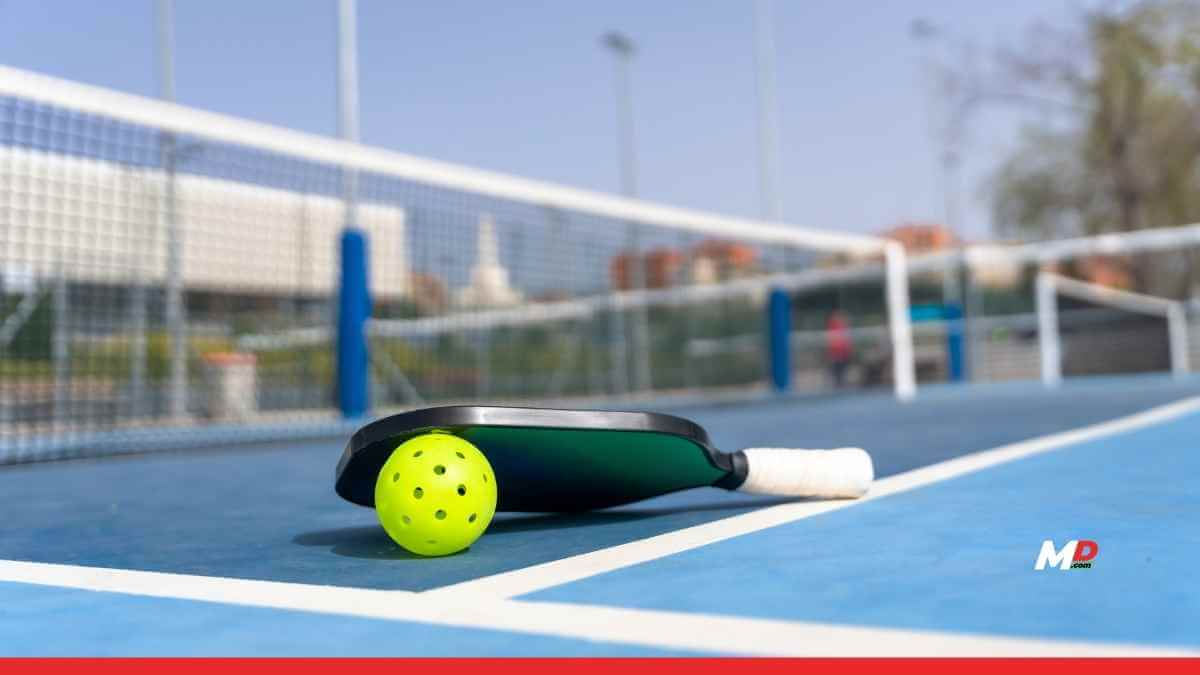
You don’t spend an hour on a pickleball court thinking about completing an hour of cardio. You’re trying to win the next rally. Exercise happens almost incidentally.
That makes recreational sport particularly powerful from a behavioural standpoint. The challenge with fitness has rarely been convincing people that exercise is beneficial. The challenge is getting them to return consistently.
Enjoyment solves part of that problem.
Why Social Sport Is Winning
There is another factor at work: modern adult life has become extraordinarily digital.
We work on screens, consume entertainment on screens and increasingly maintain relationships through screens. Ironically, at a time when we are more connected digitally than ever before, there is growing value attached to genuine offline interaction.
Social sports create that naturally.
Pickleball is perhaps one of the clearest examples. Its relatively low learning curve allows someone to begin participating without years of training. Doubles makes the sport inherently social, while the competitive element keeps it engaging.
At Picklebay, we frequently see people enter the ecosystem because they want to try a new sport, but continue because they find a community. Games become weekly rituals. Playing partners become friends. Tournaments become social calendars.
That transition from activity to habit to community is where the real value lies.
Play Is Becoming a Consumer Category
What makes this particularly interesting from a business perspective is that participation creates an economy around itself.
A person who begins playing recreationally may initially spend only on court bookings. As engagement increases, expenditure expands into coaching, equipment, footwear, apparel, tournament registrations and memberships. Travel can follow as players begin competing in other cities. Food, wellness and recovery become adjacent categories.
One recreational habit can therefore create multiple consumer touchpoints.
This is why we’re seeing sports increasingly intersect with hospitality, real estate, fashion and wellness. Hotels are adding courts as experiential amenities. Residential developments are using recreational infrastructure as a lifestyle proposition. Brands are entering tournaments because they can engage consumers while they are actively participating rather than passively consuming advertising.
Sport starts becoming part of someone’s lifestyle spend.
Infrastructure Is Following Behaviour
The growth of the play economy is also changing physical spaces.
Traditionally, organised sport required large clubs or specialised facilities. Newer recreational formats can often operate within more flexible urban environments.
Pickleball demonstrates this particularly well. Its compact footprint has allowed courts to emerge across clubs, residential developments, schools, hotels and dedicated sporting venues.
That creates an interesting flywheel: more infrastructure makes participation easier; more participation improves venue economics; stronger economics attract further infrastructure investment.
The same principle can extend across multiple recreational sports.
The Opportunity Is Bigger Than Fitness
The most important shift is perhaps philosophical.
For years, wellness was treated largely as an individual pursuit. The play economy introduces a different idea: wellness can be social.
A game can provide physical activity, mental release, friendly competition and genuine human interaction within the same hour. For time-poor adults, that’s an unusually compelling proposition.
And because the experience is enjoyable, participation doesn’t necessarily feel like another obligation being squeezed into an already crowded calendar.
That is why I don’t believe the current resurgence of recreational sport is simply a fitness trend.
It reflects a broader reassessment of how adults want to spend their leisure time, money and attention.
We spent years optimising adulthood around productivity. Perhaps the next phase is about rediscovering something we understood instinctively as children: sometimes the most sustainable way to stay active, connected and happy is simply to play.
Siddhant Jatia is Founder & CEO of Picklebay