

Politics
RBI turns hawkish, hikes repo rate to 5.5%

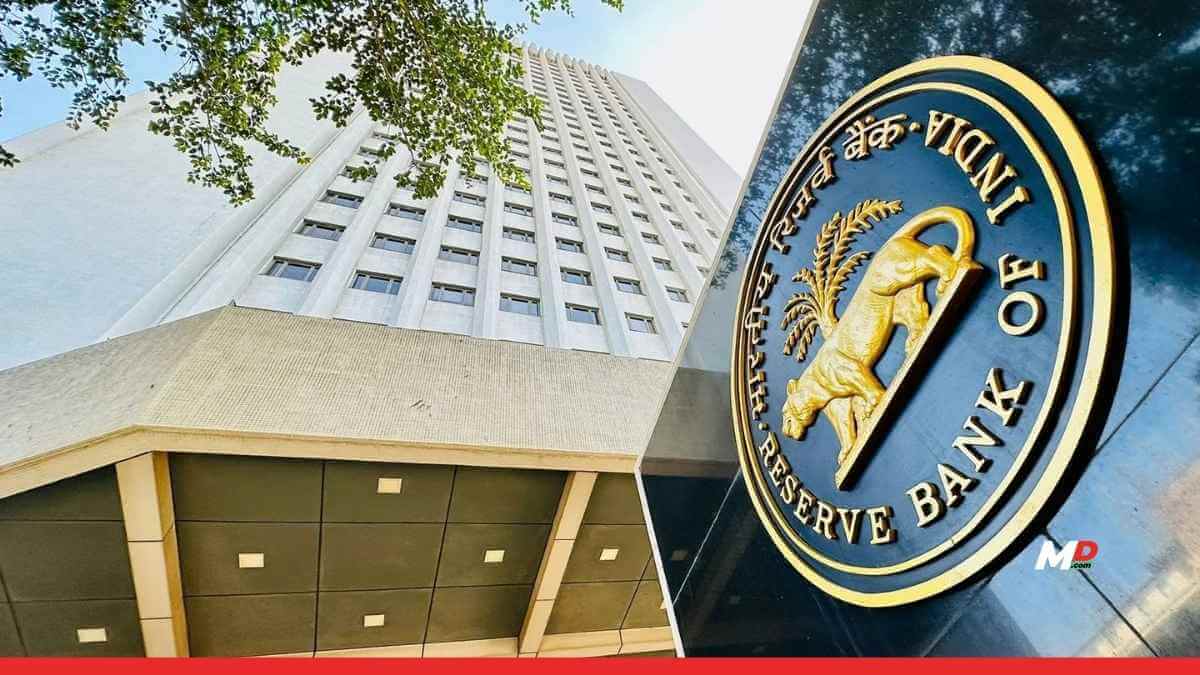
The Reserve Bank of India has raised the repo rate by 25 basis points to 5.5 per cent, marking its first rate increase since February 2023 and signalling a clear shift in the central bank’s approach to inflation and monetary policy.
The decision by the six-member Monetary Policy Committee (MPC) was unanimous. More importantly, the RBI has moved its policy stance from “neutral” to “calibrated tightening”, suggesting that rate cuts are off the table for the immediate future and that further hikes remain possible if inflationary pressures persist.
The timing is significant. India’s economy remains relatively strong, with the RBI raising its FY27 GDP growth forecast to 7.1 per cent from 6.7 per cent. That gives the central bank considerably more room to prioritise price stability without having to worry about an economy already struggling for momentum. At the same time, its inflation forecast has been raised to 5.2 per cent from 5 per cent.
Retail inflation had already accelerated to 4.82 per cent in August from 4.45 per cent in July. Higher crude prices, global uncertainty, a weaker rupee, and supply-side pressures have complicated the inflation outlook further. The RBI therefore appears increasingly concerned that some of these pressures could become more persistent.
For ordinary borrowers, however, the policy decision has a fairly immediate implication. A higher repo rate raises the cost at which banks access funds, potentially pushing up lending rates across home loans, vehicle loans, personal loans, and other forms of credit. Borrowers with floating-rate loans could consequently see their EMIs rise or their repayment tenures extend.
The impact will depend on how banks transmit the increase. A 25-basis-point hike does not automatically translate into an identical increase in every retail lending rate. Banks have their own funding costs, margins, and competitive considerations. Still, the direction of travel is clear: borrowing is likely to become incrementally more expensive.
Depositors, meanwhile, could eventually see some benefit if banks respond by raising deposit rates to attract funds. The transmission, however, is unlikely to be immediate or uniform.
The more important story may therefore be what the RBI does next. The central bank has spent much of the past year supporting economic activity through a significantly easier monetary environment. The repo rate had fallen from 6.5 per cent in February 2025 to 5.25 per cent before Wednesday’s decision. The October hike effectively interrupts that easing cycle.
It also marks a return to a more traditional inflation-fighting posture. In February 2023, the RBI had raised the repo rate to 6.5 per cent as part of an aggressive tightening cycle aimed at bringing inflation under control. It subsequently held the rate there for an extended period before beginning to cut rates in 2025.
This time, the backdrop is different. Growth is strong, but inflation risks are broadening. That makes the latest decision less about putting the brakes on an overheating economy and more about preventing temporary price pressures from becoming entrenched.
For households, companies, and investors, the message is worth watching closely: money may be getting a little more expensive again, and the RBI appears prepared to keep it that way if inflation demands it.