

Technology
Apple’s September 9 event: The iPhone gets its biggest shake-up in years

For years, Apple’s September event has followed a reassuringly familiar script. A new iPhone arrives, the cameras get better, the processor gets faster, the battery lasts a little longer, and millions of people begin wondering whether this is finally the year they should upgrade. September 9 could be different.
Apple’s annual autumn event, titled “Surprise and shine”, is expected to mark one of the company’s most consequential product launches in years. Alongside the iPhone 18 Pro and iPhone 18 Pro Max, Apple is expected to unveil its first foldable iPhone, reportedly called the iPhone Ultra. New Apple Watch models and AirPods are also expected.
There is another reason the event matters. It will be the first major iPhone launch under John Ternus, who succeeded Tim Cook as Apple’s chief executive on September 1. That gives an already significant hardware event an added layer of symbolism.
The iPhone Ultra arrives
The biggest story is likely to be the foldable iPhone. Apple has watched Samsung, Google, Huawei, Motorola, and others experiment with foldable phones for years. The company appears to have taken its time, waiting for the technology to mature before entering the category.
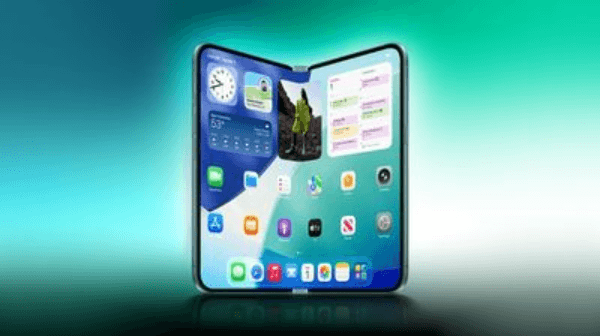
The reported design is a book-style foldable, with a roughly 5.5-inch external display when closed and a 7.8-inch display when opened. The larger screen is expected to have an iPad-like 4:3 aspect ratio, making the device something closer to a pocketable tablet when unfolded. Apple is also reportedly working to minimise the visible crease, one of the persistent compromises of current foldables.
That is very Apple. The company did not invent the smartphone, the tablet, the smartwatch, or the true wireless earbud. Its historical advantage has often come from entering established categories once the technology is mature enough to deliver a more polished experience.
The price, however, could be very un-Apple in one important sense: it is expected to be extraordinarily expensive. Reports suggest a starting price above $2,000, potentially putting the foldable firmly into luxury-tech territory.
The Pro iPhones get smarter, rather than radically different
The iPhone 18 Pro and Pro Max are expected to retain the broad design language of their predecessors, but there are some meaningful changes underneath.
The headline upgrade could be the A20 Pro chip, reportedly built using a 2nm process. The new generation is also expected to bring improvements to power efficiency and performance. A smaller Dynamic Island is rumoured, while the main camera could gain a variable aperture, giving users greater control over light and depth of field.
The Pro Max could also be slightly thicker to accommodate a larger battery. Apple may introduce a new Dark Cherry colour, while connectivity could receive an upgrade through a new C2 modem and N2 networking chip.
These are evolutionary changes, but that may be precisely the point. For most consumers, the iPhone has become mature technology. The challenge for Apple is finding enough reasons for people with perfectly functional two- or three-year-old phones to upgrade.
A strange iPhone launch
Perhaps the most intriguing part of the event is what Apple will leave out.
There is reportedly no standard iPhone 18 arriving this September. Apple is expected to split its iPhone launch calendar, with the iPhone 18, iPhone 18e, and a second-generation iPhone Air arriving in spring 2027. The autumn event will therefore skew heavily towards Apple’s premium products.
That is a significant strategic shift. It allows Apple to turn September into a showcase for its most expensive hardware, while spreading launches across the year. It could also help the company protect margins at a time when component costs, including memory, are rising. Some analysts see the strategy as part of a broader premiumisation of the smartphone business.
In other words, Apple may be trying to make its most important annual product launch more exclusive.
And then there are the accessories…
The supporting cast is expected to include the Apple Watch Series 12 and Apple Watch Ultra 4, with improvements to processors, battery life, health and fitness tracking, and potentially a ceramic case option for the Series 12. AirPods 5 are also expected, although the upgrades are likely to be more incremental.
There could also be surprises around Apple TV, HomePod, or Apple’s broader smart-home ambitions, although those remain less certain.
Ultimately, September 9 is about more than another generation of iPhones. Apple is betting that the next wave of smartphone excitement will come from a device that folds, while simultaneously making its conventional iPhones more sophisticated and more expensive. It is also changing the rhythm of the iPhone business itself.
That makes this event particularly important for Ternus. Tim Cook spent more than a decade turning Apple’s enormous installed base into one of the world’s most valuable recurring consumer ecosystems. Ternus now gets his first opportunity to show what comes next.
The foldable iPhone may therefore be judged on more than whether it has a good hinge or a barely visible crease. It could be the first real clue about what Apple believes the iPhone should become.