
Politics
BMC Launches India’s First AI-Powered Building Approval System ‘CivitTwin’

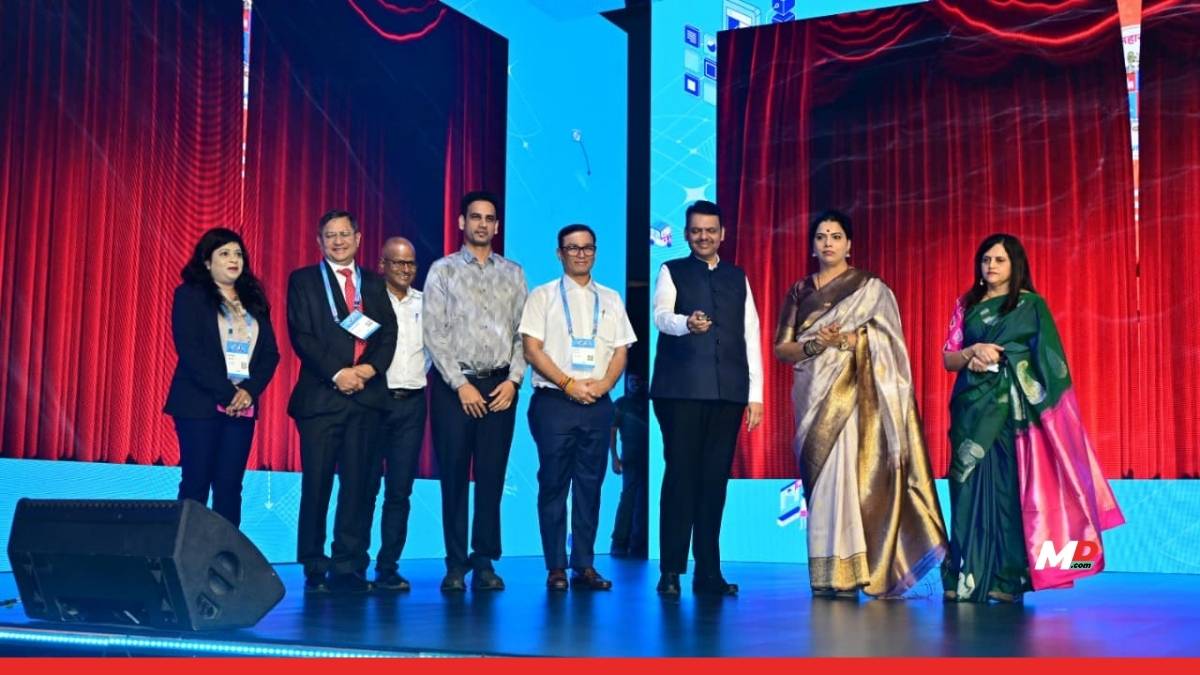
Mumbai, May 29, 2026: In a major step towards digital governance and smart urban administration, the Brihanmumbai Municipal Corporation (BMC) has launched ‘CivitTwin’, India’s first Artificial Intelligence (AI)-based building permission system. The platform was inaugurated by Maharashtra Chief Minister Devendra Fadnavis during the Mumbai Tech Week 2026 event held at the Jio World Convention Centre in Mumbai.
The launch comes shortly after BMC introduced India’s first Electronic Transferable Development Rights (E-TDR) system, marking another significant milestone in the civic body’s digital transformation journey.
Developed on the concept of a “Digital Approval Twin,” CivitTwin is designed to make the building approval process faster, more transparent, accurate, and efficient. The system will conduct a virtual pre-scrutiny of building proposals before they are formally submitted to the municipal administration.
Speaking at the event, BMC Commissioner Ashwini Bhide explained that architects and developers will be able to upload building plans and supporting documents onto the platform. The AI-powered system will automatically verify compliance with Development Control Regulations (DCR), identify required No Objection Certificates (NOCs), check documentation, and detect errors, inconsistencies, or missing information.
At present, building proposals are often returned for corrections due to incomplete applications, missing documents, regulatory violations, or pending approvals, resulting in delays that can extend for weeks or even months. CivitTwin aims to address these challenges by identifying issues before formal submission, significantly reducing approval timelines.
The platform will also automate the extraction and verification of information directly from architectural plans, eliminating much of the manual data entry currently required from architects, developers, and licensed surveyors. This is expected to save substantial time, manpower, and costs while improving overall efficiency.
According to BMC, the system will enhance the quality of building proposals, reduce administrative backlogs, and allow civic officials to focus on more complex planning and policy matters.
The benefits are expected to extend beyond the construction sector. Faster approvals could accelerate housing and redevelopment projects across Mumbai, reducing project delays and benefiting homebuyers awaiting possession of their properties.
From an urban planning perspective, CivitTwin is also expected to support better planning of roads, water supply systems, sewage networks, transportation infrastructure, and future redevelopment projects through AI-driven data analysis.
BMC highlighted that its digital transformation efforts have been evolving steadily over the past decade. Reforms introduced in 2015 simplified approval procedures, while the integration of multiple civic departments into a unified digital platform in 2018 improved coordination and information sharing. In 2020, TDR-related processes were digitized and automated. With the launch of E-TDR and now CivitTwin in 2026, Mumbai has entered a new era of smart, transparent, and technology-driven urban governance.
The inauguration ceremony was attended by Mumbai Mayor Ritu Tawde, senior civic officials, and stakeholders from the urban development sector.