

Politics
Nitin Gadkari Calls E20 Criticism a ‘Paid Campaign’ as India Opens Door to E100 Fuel

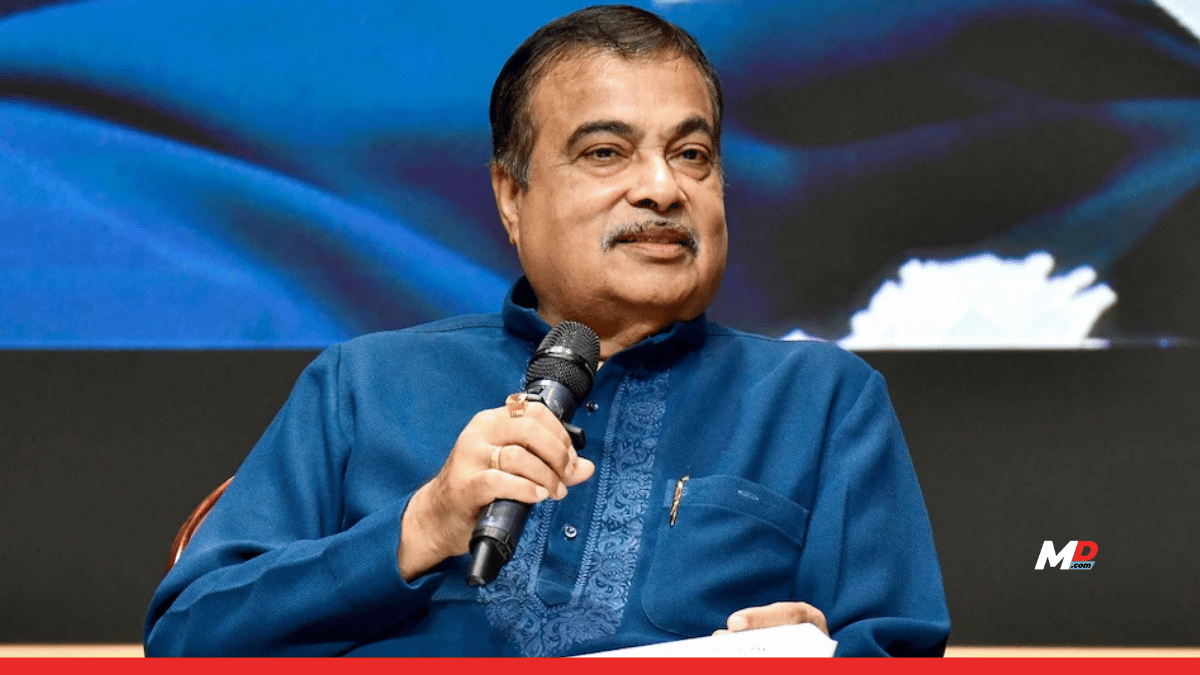
A new amendment to the Central Motor Vehicles Rules covers E100 for flex-fuel vehicles, even as the E20 petrol debate continues.
Union Road Transport and Highways Minister Nitin Gadkari has called the criticism of E20 petrol a “paid campaign”, reviving the debate over ethanol blending in India. His remarks come as the government makes regulatory changes that allow vehicles built to run on fuel with up to 100% ethanol.
The two developments sit side by side. The government sees ethanol blending as a way to cut crude oil imports and support farmers, while motorists continue to raise questions about compatibility, mileage and maintenance costs.
The E20 debate returns
E20 petrol is 80% petrol and 20% ethanol, an alcohol-based fuel made from crops such as sugarcane and maize. India has expanded blending to improve energy security, reduce dependence on imported petroleum and create demand for agricultural produce.
Owners of older vehicles have been the most vocal. Their concerns include lower mileage, engine compatibility, component wear and higher maintenance costs for vehicles not designed for higher ethanol blends.
Gadkari has dismissed the backlash as a paid campaign. The reporting cited here does not independently establish that the criticism is organised or paid for, so the claim should be read as the minister’s view. The episode shows how hard it is to run a nationwide fuel transition while answering consumer concerns clearly.
E100 gets a regulatory pathway
The Ministry of Road Transport and Highways has amended the Central Motor Vehicles Rules, 1989, to recognise E100 fuel for flex-fuel vehicles. The amendment was notified on October 23, 2026. It adds E100 alongside E85 in the relevant emission and testing provisions.
E100 is fuel with nearly 100% ethanol, while E85 is about 85% ethanol. The rules apply only to vehicles designed and certified by manufacturers for flex-fuel operation.
The amendment does not let conventional petrol vehicles, or vehicles built only for E20, switch to E100. Carmakers must develop and certify compatible models first.
What it could mean for India’s energy strategy
Higher ethanol use could reduce petrol consumption and reliance on imported crude. It could also open opportunities for domestic biofuel producers and agricultural supply chains. For automakers, clearer rules may encourage investment in flex-fuel technology.
For consumers, the benefits will depend on fuel prices, vehicle costs, mileage, servicing and the availability of suitable fuel stations. Even if E100-compatible vehicles arrive, adoption will stay limited without a dependable supply network and clear information for motorists.