
Business
Delhi to Bar Over 10 Lakh Non-BS-VI NCR Vehicles From November 1

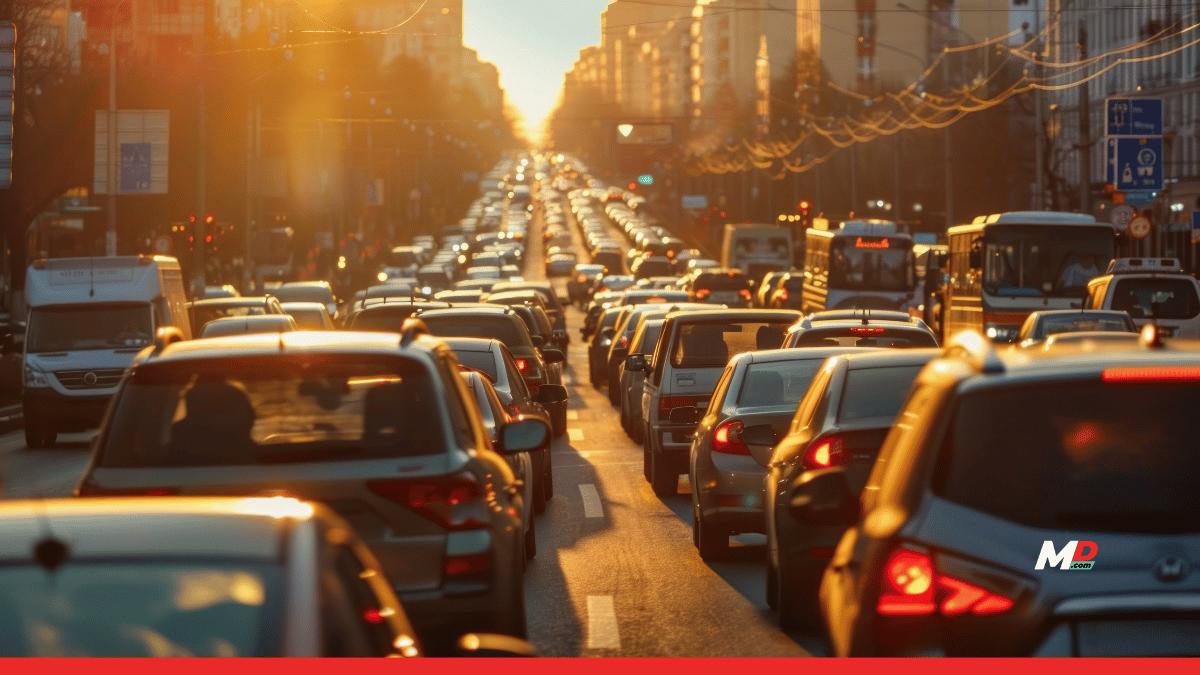
Vehicles registered outside the capital that don’t meet BS-VI standards will be kept out for three months as Delhi steps up its winter pollution curbs.
From November 1, 2026, Delhi will tighten its vehicle-entry rules in a move that could affect more than 10 lakh vehicles in neighbouring National Capital Region (NCR) cities. Non-compliant vehicles registered outside Delhi will be prohibited from entering the capital until January 31, 2027, as part of efforts to cut vehicular emissions during the winter pollution season.
Transport department estimates reported by The Times of India put the affected vehicles across Gurugram, Faridabad, Noida, Greater Noida and Ghaziabad. The restriction is likely to hit daily commuters, business travellers and other motorists who regularly drive into Delhi.
NCR cities brace for disruption
Thousands of people who rely on personal vehicles to reach the capital could see their daily travel upended. Gurugram and Faridabad together have close to two lakh vehicles that fall short of BS-VI standards, while Noida and Greater Noida account for more than four lakh. Ghaziabad adds a sizeable number of its own.
Bharat Stage VI (BS-VI) is India’s strictest vehicle-emission standard, meant to limit the pollutants vehicles release. The curbs aim to reduce emissions from vehicles entering Delhi at a time of year when air quality usually worsens.
Who is exempt
The rule covers vehicles registered outside Delhi that do not meet BS-VI norms, subject to exemptions notified by the authorities. Electric and CNG vehicles are exempt, as are specified emergency and essential-service vehicles. Vehicles registered outside Delhi that comply with BS-VI standards are also allowed. All other traffic and pollution-control rules continue to apply.
Tougher enforcement ahead
Authorities are preparing to step up monitoring at key entry points between Delhi and neighbouring cities. Automatic Number Plate Recognition (ANPR) cameras and enforcement checks are expected to help spot vehicles that don’t meet the requirements.
The entry curbs are one part of a wider winter pollution-control plan that includes other steps to reduce vehicular emissions and encourage cleaner mobility.
A separate “No PUC, No Fuel” rule also begins on November 1. Under it, vehicles without a valid Pollution Under Control certificate will be refused fuel in Delhi. This is distinct from the entry restriction, so motorists need to comply with both.
What commuters should do
People driving into Delhi from NCR cities should check their vehicle’s emission category and registration details before planning trips. Those affected may want to consider the Delhi Metro, public buses, carpooling or a compliant vehicle.
The three-month restriction underlines the need for coordinated regional action on air pollution. Stricter rules may bring short-term hardship for commuters and businesses, but their impact will depend on consistent enforcement, accessible public transport and wider adoption of cleaner vehicles.
As Delhi heads into another difficult pollution season, residents and transport authorities will be watching closely how these measures are put into practice.