

Health
CPR Saves Lives: Why Every Second Matters in a Cardiac Emergency

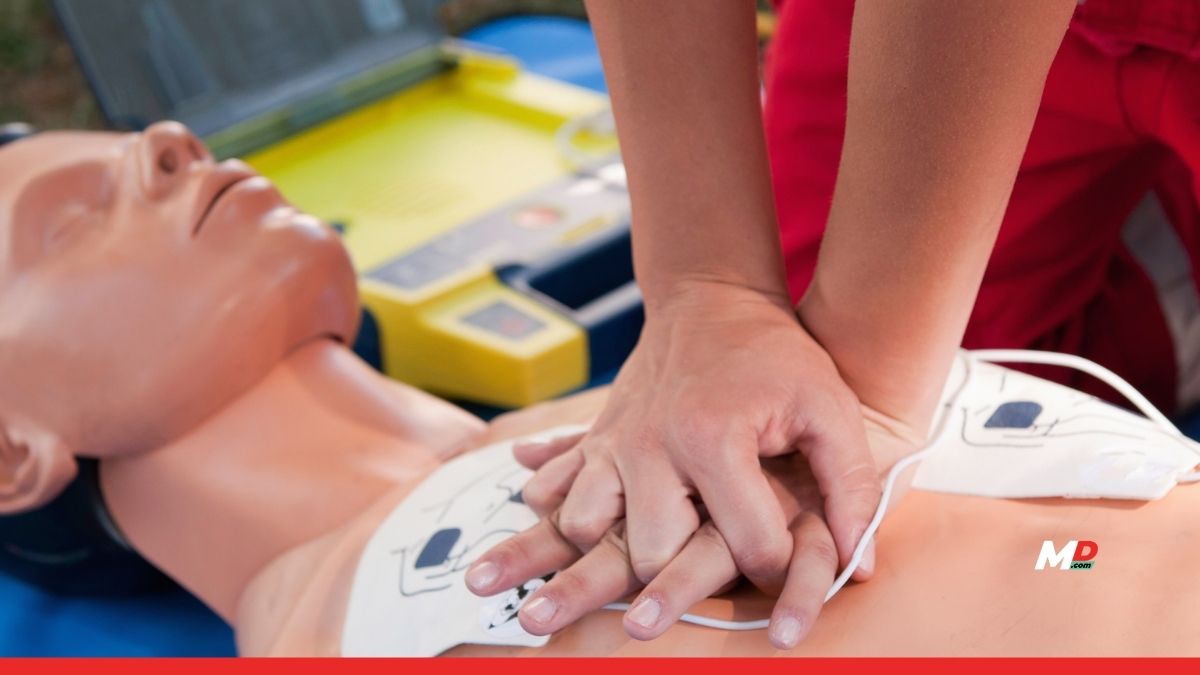
A cardiac emergency is something that can strike at any moment without any warning and can turn an ordinary moment into a life-threatening situation. In such crisis, the difference between life and death often comes down to one important factor: time. When the heart stops beating effectively, that signals that the body is deprived of oxygen-rich blood, and every passing second increases the risk of irreversible brain damage. This is where CPR—Cardiopulmonary Resuscitation—becomes critical.
CPR is not a difficult medical procedure which is only reserved for healthcare professionals. It is a simple, life-saving skill that can be learned by anyone and can be applied in situations of emergency. It is a very straightforward process for manually circulating blood and oxygen through the body until professional help restores the normal heart function. It is important to have a closer look to understand in detail why CPR matters so urgently during cardiac arrest and how quickly the body deteriorates without intervention.
What Happens During a Cardiac Emergency
A cardiac emergency also commonly referred to as cardiac arrest occurs when the heart stops pumping blood due to an electric malfunction. Whereas during a heart attack, there is a blockage in blood flow. When this occurs, the body, mainly the brain starts losing oxygen which makes immediate response critical.
Brain cells begin to die within 4 to 6 minutes without oxygen, and after about 10 minutes, the chances of survival without severe damage becomes highly unlikely. As it usually takes, several minutes for the arrival of an ambulance, bystanders are the first and an important chance of survival, making CPR the crucial link between collapse and advanced medical care.
The Role of CPR: Buying Time
CPR is a process that works manually by pumping the chest to mimic the heart’s pumping action. These compressions help in circulating oxygen to all vital organs, mainly the brain and the heart. This keeps the tissues alive until defibrillation or advanced treatment can restart the heart.
The main principle behind CPR is not about “fixing” the heart, but maintaining life. High-quality chest compressions help in delivering a limited but a vital amount of oxygenated blood to can deliver a limited but crucial amount of oxygenated blood to the brain, significantly improving survival chances.
Research consistently highlights that immediate CPR helps to increase a person’s chances of survival after cardiac arrest. The effectiveness of CPR is closely connected to timing. Within the first 1-2 minutes of collapsing, starting CPR helps in increasing outcomes, while delays help in reducing the impact significantly.
Why Every Second Matters
Time plays a vital role during a medical emergency, and every passing moment without CPR reduces the chances of survival by 7-10%. The person starts becoming unresponsive in a matter of seconds, and in a minute, the oxygen to the brain begins to drop, and in 3-5 minutes, the risk of brain damage rises sharply. After 10 minutes, without any intervention, survival becomes quite unlikely. These changes clearly highlight that just waiting for a medical professional is not enough; immediate bystander CPR is the only way to sustain life until advanced care or defibrillation is available.
The Power of Bystander Intervention
During cardiac emergencies, the biggest challenge is hesitation, as during this time, people often freeze or fear causing harm. But during cardiac arrest, doing nothing is a lot more dangerous than performing CPR imperfectly. Modern guidelines highlight that “hands-only CPR” for untrained bystanders involves continuous chest compressions without rescue breaths. This makes it a lot easier to respond quickly, as the main objective is action rather than perfection. Studies have shown that communities with higher bystander CPR rates have significantly better survival outcomes, reinforcing that survival depends less on where the arrest occurs and more on whether someone nearby is prepared to respond immediately.
Recognizing a Cardiac Emergency
Recognition is the first step towards speed. There are several warning signs that come before a heart attack, like:
• A sudden fall
• No reaction to yelling or shaking
• No normal breathing (or gasping breaths)
• No pulse (if a trained person checks it)
Early recognition of these signs leads one to the next step: calling for help and starting CPR right away.
The Chain of Survival
Survival from cardiac arrest depends on a sequence known as the “chain of survival”:
- Early recognition and emergency response
- Immediate CPR
- Rapid defibrillation (AED use if available)
- Advanced medical care
- Post-resuscitation recovery support
CPR is the second and most critical link in this chain. Without it, even advanced hospital care may arrive too late.
Why CPR Training Matters
Despite its importance, many people still lack CPR training. This knowledge gap is what costs lives every day. Learning CPR only requires a couple of hours, but it’s impact lasts a lifetime.
Training builds confidence, reduces hesitation, and ensures that more people are prepared to act when seconds matter most. In workplaces, schools, and public spaces, widespread CPR awareness significantly improves community survival rates.
Conclusion
Cardiac emergencies are unpredictable, but survival is not purely a matter of chance. It is shaped by how quickly people respond. CPR is one of the most powerful tools available to bridge the critical gap between collapse and medical intervention.
Every second matters because every second without oxygen reduces the chance of recovery. Immediate action—starting CPR without delay—can mean the difference between life, permanent brain injury, or death.
In a cardiac emergency, the most important decision is not whether you are fully trained or perfectly confident. It is whether you are willing to act.
Dr. Ankit Desai is a leading Paediatric Anaesthetist and Founder & Director of Children’s Anaesthesia Services