

Technology
India’s QR Code revolution: Adoption, implementation, and challenges

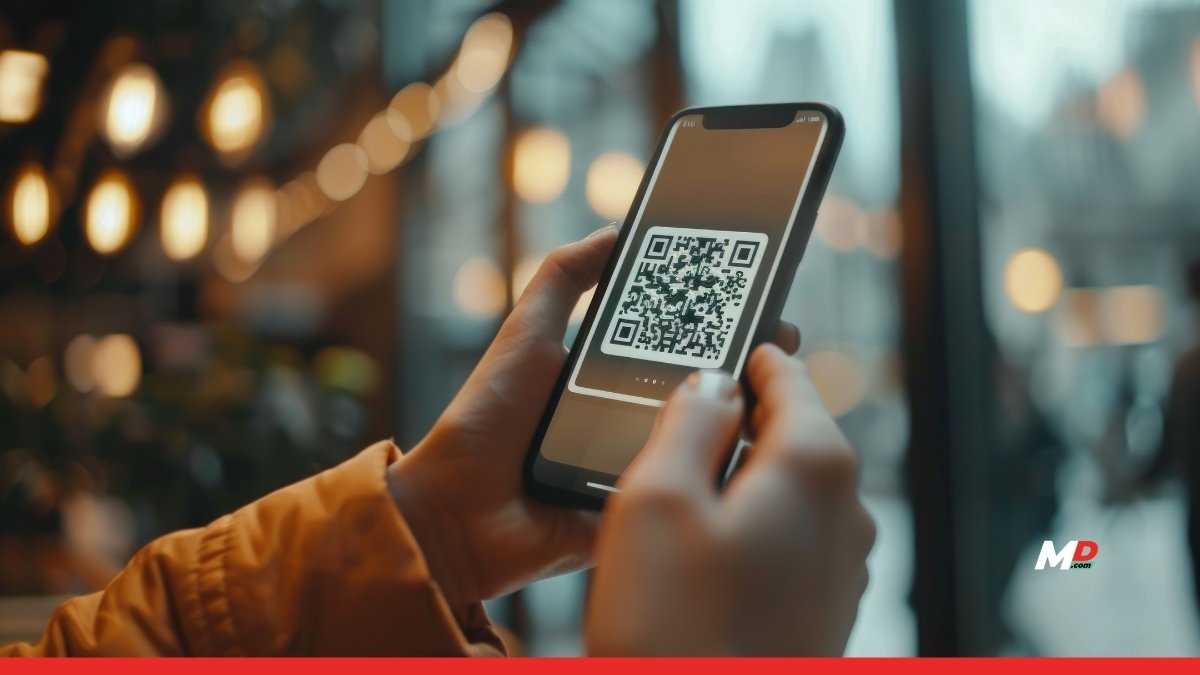
A few years ago, few would have imagined that a simple black-and-white square could revolutionise everyday life. Yet today, QR (Quick Response) codes are everywhere, printed on shop counters, restaurant menus, electricity bills, medicine packages, airline boarding passes, product labels, advertisements, and even cemetery tombstones. The rapid expansion of QR code technology reflects one of the most significant digital transformations of the 21st century.
The Birth of the QR Code
Masahiro Hara, a Japanese engineer at Toyota, developed the QR code concept in 1994 to optimise inventory in the automotive industry and made QR codes freely available globally. His decision played a crucial role in the worldwide adoption of the QR code. Due to its simplicity and widespread use, the QR code has been adopted and soon became a universal digital interface, representing one of the most remarkable technological evolutions of the modern era.
After ISO certification in 2000, the QR code was widely adopted in Japan. Soon after, its use began to grow in the US and many other countries, with implementations across retail, logistics, marketing, and numerous digital services.
In the last five years, the adoption of the QR code has skyrocketed. QR code scans reached 41.77 million in 2024—a 433% increase over the past three years. The use of QR code is expected to increase further, with 2026 registering 130.12 million QR code scans — a 211.5% increase over 2024. With QR code adoption across 50 countries, it is going to expand rapidly. The market for QR code is projected to reach over USD 33 billion by 2031. The Asia-Pacific region is one of the largest QR code markets, with 37% of the global market share. Over 40% of Indians are familiar with and use QR codes, making India the second-largest country in scanning activity, right after the USA, as of 2026.
Origin and Implementation of the QR Code Payment System in India
UPI technology (2016) enables quick payments via a simple QR code scan, propelling seamless financial transactions. Demonetisation, Digital India, and a zero Merchant Discount Rate for UPI transfers in business transactions have led to a significant adoption of QR technology across the nation. The Covid pandemic further accelerated QR code adoption in India, as the Aarogya Setu mobile app enabled seamless, contactless check-ins at hospitals and other public spaces, familiarising millions with QR-based interactions and reinforcing their role in everyday digital services. As of FY 2024-25, a total of 56.86 crore QR codes were deployed to 6.5 crore merchants. As a result, QR technology is being rapidly applied wherever possible, from roadside tea stalls to supermarkets and malls.
Introduced as part of the Government of India’s digital payments initiative, BharatQR, a common QR code payment system, has simplified merchant payments, reduced dependence on cash, and strengthened India’s transition toward a digital economy. Since the QR code system has been used by Paytm, PhonePe, Google Pay, and many other fintechs, it has become popular in the last decade. The QR code system has played a key role in promoting Digital India. Currently, India’s QR code payments sector is anticipated to grow at a CAGR of 13.9% between FY2026 and FY2033, reaching USD 2.23 billion by FY2033.
Not only in the fintech industry, but QR codes are also widely used across various industries, such as Retail and e-commerce, restaurants, food and beverages, and many other sectors.
Governments Using Technologies
QR codes have become an essential tool for governments (both central and state) looking to improve public services by making them more accessible, secure, and effective. Through the Digital India initiative, QR codes are being used for various purposes in public governance and citizen services. The DigiLocker application has enabled citizens to access their government-issued documents QR codes. QR codes are also widely used by citizens in the health sector through the Ayushman Bharat Digital Mission (ABDM), which helps them stay connected to their ABHA health reports. Recently, QR codes have also found applications in transport ticketing, digital verification, and the provision of public services by governments. At the Maha Kumbh Mela held in January 2025, QR codes played a key role in providing services to pilgrims. QR codes helped authorities quickly locate lost pilgrims, with over 50,000 installed on electric poles across the Mela grounds.
Health Ministry Broadens QR Code Drug Traceability
As part of a broader initiative to improve India’s pharmaceutical supply chain in terms of quality, safety, and integrity, and to prevent counterfeit medicines from entering the market, the Ministry of Health and Family WelfareJ has expanded the QR code-based track-and-trace framework to specific drug products. The amendments require manufacturers to print or affix a QR Code so that products can be digitally authenticated and traceable through the supply chain. The QR Code will contain nine crucial data elements, including a unique product identification code, the product’s generic and brand names, manufacturer information, and manufacturing and expiry dates. The QR Code requirement, which previously applied only to the top 300 pharmaceutical brands, now applies to all vaccines, antimicrobial drugs, anticancer drugs, and narcotic and psychotropic drugs.
Ahmedabad Introduces QR Codes to Ensure Street Food Hygiene
Recently, Ahmedabad Municipal Corporation (AMC) introduced a QR Code-based Vendor Registration System to facilitate residents providing feedback and hygiene ratings on their experiences with street food vendors. Currently, more than 8,700 vendors are using this initiative.
Raipur Police Introduces QR Codes for All Autorickshaws
The Raipur Police, Chhattisgarh have introduced a campaign to make auto commuting safer and have made it India’s first district to make it mandatory for all autorickshaws to install QR Codes. Within just 15 days, 15,047 vehicles have been registered via QR Codes, which carry information about the driver and vehicle.
Indian Railways Introduces QR-Based Meal and Vendor Tracking
To stop unauthorised vending and make onboard catering more transparent for rail passengers, Indian Railways has rolled out a system in which each catering staff member will have a QR code-enabled ID card. With these QR codes on meal packets, passengers can verify the traceability, authenticity and quality of their meals.
AP to Use QR Codes for Real-Time Governance and Citizen Feedback
Andhra Pradesh introduced QR codes as a key tool to improve governance by collecting real-time citizen feedback across public services. QR codes were deployed on RTC buses, in hospitals, and at temples to make governance more transparent, accountable, and responsive.
Challenges
India’s QR code innovation has accelerated financial inclusion, helping develop one of the world’s largest digital payment systems. UPI has 81% share of total retail digital transactions in India, making it the largest real-time payment system in the world. At the same time, the very features that make QR codes so convenient—speed, simplicity, and accessibility—also make them great targets for cybercriminals. The boom in digital payment transactions led to a boom in QR code-led cyber-enabled financial crimes. India witnessed 20,662 cases (41%) related to QR code-malicious links between 2017 and May 2023, while QR code-related frauds nearly doubled to 40,000 cases in 2023–24, with financial losses tripling. Indians lost ₹55,659.81 crore to cyber fraud between 2020 and 2025, of which ₹45,344.16 crore (over 81%) was lost during 2024–25 alone, reflecting a sharp rise in cyber-enabled financial crime and underscoring the growing security challenges facing India’s rapidly expanding digital payment ecosystem. Hence, to cope with the challenges, it is necessary to consider multiple aspects, such as strengthening cybersecurity, conducting user awareness campaigns, managing QR codes safely, and imposing regulatory measures.
Although QR codes are an integral part of our ecosystem, they also pose serious security threats nowadays. Cybercriminals have been finding ways to replace original QR codes with fake ones or to insert malicious links into them that lead to phishing websites designed to steal banking information, passwords, and personal data. In contrast, QR codes do not reveal their destination until they are scanned; therefore, it is difficult for consumers to know whether a QR code is trustworthy. The growing use of QR codes has also increased financial crimes, especially in public places such as parking lots and restaurants, as well as on some fake government websites. The banks, financial institutions, and fintechs that are part of the country’s Digital Payment ecosystem should consider online fraud a major threat to individuals and the industry and, accordingly, take responsibility for protecting customers by deploying industry best practices.
India’s QR code revolution is an example of how a simple technological innovation can transform the country’s entire digital ecosystem. From enabling seamless digital payments and strengthening public service delivery to supporting healthcare, transportation, governance and pharmaceutical traceability, QR codes have become an integral part of everyday life. However, as QR code usage continues to expand, cyber fraud related to QR codes has also increased. Addressing these risks requires a collaborative approach involving government agencies, regulators, banks, fintech companies, technology providers, businesses, and citizens. There is a need to promote secure-by-design QR implementations, enhance authentication mechanisms, deploy AI-driven detection systems, and conduct continuous public awareness campaigns. There is also a need to foster a culture of cyber vigilance, in which citizens verify before scanning and organisations proactively monitor and secure their QR-based services.