

Technology
Apple products just got a lot more expensive. Here’s why

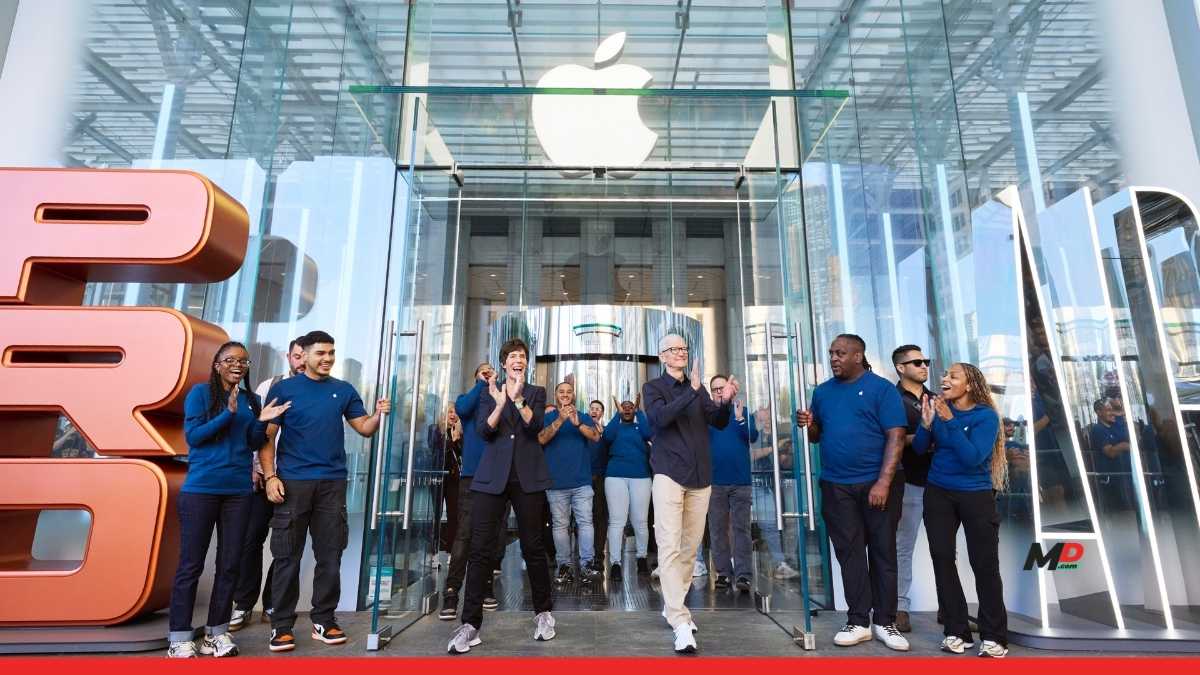
Apple has done something it spent years avoiding. On 26 June 2026, the company raised prices across its Mac and iPad ranges, in some cases by as much as Rs 1 lakh in India, while telling buyers in plain terms that it can no longer absorb the cost of memory and storage chips itself.
The numbers are stark. In India, the 13-inch MacBook Air with the M5 chip has moved from Rs 1,19,900 to Rs 1,49,900, a jump of Rs 30,000. The 15-inch variant is up Rs 35,000, now starting at Rs 1,79,900. The 14-inch MacBook Pro with the base M5 chip and 16GB RAM has risen by Rs 70,000, from Rs 1,69,900 to Rs 2,39,900, and the M5 Max configuration has climbed by a full Rs 1 lakh.
Even the MacBook Neo, positioned as Apple’s entry point into laptops, is now Rs 10,000 dearer at Rs 79,900. The iPad range has not been spared either. The 11-inch iPad Air with the M4 chip has gone from Rs 64,900 to Rs 89,900, and the iPad Pro with the M5 chip and 256GB storage now costs Rs 1,39,900, up from Rs 99,990. Apple TV and HomePod prices have also been revised upward.
In the United States, the pattern repeats. The base MacBook Air rose from $1,099 to $1,299, the entry MacBook Pro from $1,699 to $1,999, and the Mac Studio M3 Ultra saw the steepest increase of any product, up from $3,999 to $5,299. The one product line spared, for now, is the iPhone, which continues to retail at launch prices in India and elsewhere.
Memory loss, price hike
Apple’s explanation centres on a single cause: the global appetite for AI infrastructure has pulled memory and storage chips away from consumer electronics and into data centres. An Apple spokesperson said the company had never seen a component price increase this much, this quickly, and that it had reached a point where holding the line on prices was no longer possible.
Apple is not alone. Microsoft has raised prices on its Xbox consoles by $100 to $150 depending on storage configuration, citing the same memory squeeze, and warning that component costs could double again by the end of 2027. Industry watchers expect the pressure to spread further. Consumer tech analyst Trevor Long told Al Jazeera that the increases push Apple’s products closer to competitor pricing and predicted the next iPhone could see a rise of $50 to $150 depending on the model.
The market reacts
The market reaction was immediate. Apple’s stock fell more than 6 percent on the announcement, its steepest single-day decline since the tariff shock of April 2025.
For Indian buyers, the timing is awkward. The iPad Pro had quietly become a credible, cheaper alternative to entry-level MacBooks. With its price now edging close to MacBook Air territory, that gap has all but closed, leaving shoppers with a harder choice and a thinner wallet either way.
What began as a quiet supply chain story, memory chip shortages driven by the AI boom, has now landed squarely on consumer shelves. The question for Apple, and for the rest of the consumer electronics industry, is how long this round of increases lasts, and whether the iPhone, still untouched, can stay that way.