
Business
Rewriting the rules for women entrepreneurs in India


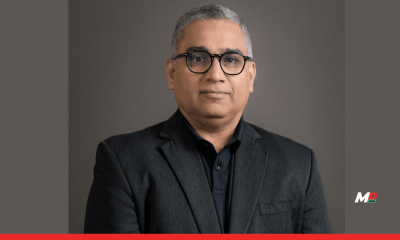
Two decades ago, financial independence for Indian women meant supplementary income. Today, it means something far more ambitious. Padma V, a multipreneur and direct selling leader with QNET, has mentored thousands of women across this transformation, watching them grow from hesitant first earners into confident business architects. Here, she reflects on the structural shifts, mindset changes, and leadership qualities driving this quiet revolution.
How have alternate business models redefined the landscape for women in India, and in what ways does direct selling specifically offer the structural flexibility needed to balance high-level professional aspirations with personal responsibilities?
Alternate business models have fundamentally changed how women in India view work and entrepreneurship. Earlier, professional growth often came with rigid structures that made it difficult for women to balance family responsibilities with personal ambitions. Today, more flexible and community-driven ecosystems are enabling women to participate in the economy without having to choose between career and caregiving.
Direct selling, in particular, has emerged as a powerful platform because it allows women to build businesses at their own pace while remaining deeply connected to their families and communities. It offers entrepreneurial freedom supported by mentorship, training, and structured systems that help individuals grow sustainably. For many mothers, this flexibility becomes transformational, it allows them to pursue financial independence, leadership opportunities, and personal growth alongside their role at home.
Having mentored thousands of entrepreneurs over the years, I have seen many women evolve from hesitant first-time earners into confident business leaders simply because they were given an opportunity that adapted to their realities rather than forcing them into traditional definitions of success.
Given your two decades of experience, how have you seen the shift toward financial independence evolve from a pursuit of supplementary income into a primary driver for women building sustainable, long-term business legacies?
Over the last two decades, the perception of financial independence among women has evolved significantly. While earlier women entered entrepreneurial spaces primarily to support household income or contribute financially in small ways, today’s women are building businesses with long-term vision, purpose, and leadership ambitions. I have witnessed this transformation very closely through my own journey with QNET and through the journeys of countless women I have mentored. Financial independence is no longer viewed as a secondary aspiration; it has become deeply connected to self-worth, decision-making power, and the ability to create lasting impact. Women today want to build something meaningful, not just for themselves but for future generations as well.
What is particularly inspiring is that many women are now creating sustainable business ecosystems rooted in mentorship and community-building. They are not only growing individually but also empowering others to succeed alongside them. This shift reflects a larger movement where women are increasingly defining success on their own terms and contributing actively to India’s entrepreneurial growth story.
What unique leadership attributes do women bring to non-traditional and community-led business ecosystems that are essential for fostering the ethical and resilient growth you champion?
In entrepreneurial models that rely heavily on trust and mentorship, leadership is not only about driving results; it is about uplifting people and creating environments where others can thrive. Women bring a collaborative approach to leadership, which is especially valuable in community-led business ecosystems. They ensure that qualities such as resilience, adaptability, and relationship-building become the foundation for sustainable and ethical growth. Additionally, they are adept at nurturing communities, listening with empathy, and building meaningful long-term relationships, which strengthens both business resilience and team culture.
From my experience, women leaders also tend to lead with purpose and integrity. They understand that success is not achieved in isolation and that long-term growth requires consistency, trust, and shared progress. This approach creates stronger ecosystems where people feel valued, motivated, and inspired to contribute meaningfully. As someone who strongly believes in ethical entrepreneurship, I feel these leadership attributes are essential in shaping businesses that create both economic and social impact.
In an era where purpose-led growth is becoming a benchmark for success, how can women entrepreneurs effectively navigate the transition from humble beginnings to becoming multipreneurs while maintaining a core commitment to uplifting others?
Purpose-led growth commences with staying connected to the reason you started. Many women entrepreneurs begin their journeys with simple aspirations, supporting their families, becoming financially independent, or creating better opportunities for themselves. But over time, growth becomes more meaningful when it is aligned with a larger purpose beyond personal success.
My own journey from humble beginnings to becoming a multipreneur has taught me that sustainable success is built through consistency, learning, and the willingness to evolve. At every stage, it is important to remain grounded in values and committed to helping others grow alongside you. Women who focus on mentorship, community-building, and shared progress often create the strongest entrepreneurial ecosystems. Becoming a multipreneur is not just about building multiple ventures, it is about expanding one’s ability to create opportunities, inspire confidence, and positively influence lives. True leadership lies in ensuring that your success becomes a pathway for others to believe in their own potential as well.
As a mentor to thousands, what do you believe are the most critical mindset shifts required for Indian women to overcome systemic challenges and successfully claim their space within India’s modern entrepreneurial movement?
India’s entrepreneurial landscape is evolving rapidly, and women today have more opportunities than ever before to lead with purpose, resilience, and vision.
The first and most important mindset shift for women entrepreneurs is moving from self-doubt to self-belief. Many women possess immense capability and potential, but societal conditioning often makes them underestimate their own strengths. Women need to recognise that they are fully capable of leading businesses, making decisions, and creating meaningful impact.
The second shift is understanding that entrepreneurship is not limited by background, age, or geography. Some of the most inspiring entrepreneurial journeys begin from humble circumstances. What matters most is the willingness to learn, stay resilient, and remain consistent despite challenges.
Another important shift is embracing collaboration over competition. Strong mentorship, supportive communities, and shared learning environments play a crucial role in helping women grow with confidence. No entrepreneurial journey succeeds entirely alone.
Lastly, women must begin to view financial independence as empowerment rather than obligation. When women become financially empowered, they also gain the confidence to influence decisions, support others, and contribute more actively to society and economic progress.