
Travel
India’s Outbound Travel boom: What it means for the Global Travel Trade

The overseas travel market of India is moving into a different phase. Traveling abroad is no longer just a hobby for a handful of rich Indians who take off on vacations to foreign places. The facts today are that more Indians are going abroad than before, and they go there often and visit places that were not considered on the vacation path before. For the global travel business, this market can no longer be seen as one segment. Indian travelers have become diverse, adventurous, and inquisitive. To reach today’s Indian traveler is of utmost importance to understand this change.
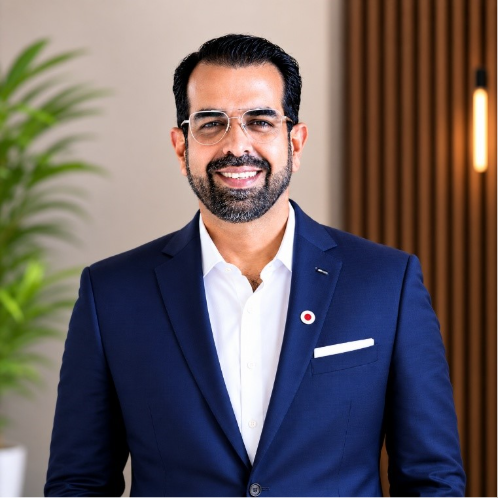
A rapidly expanding traveller base is now demanding better experiences than ever, as Louis D’Souza, Managing Partner, Tamarind Global says. “India’s outbound travel boom is no longer simply about rising volumes; it represents a fundamental shift in the profile, expectations and influence of the Indian traveller. The new Indian traveller is more discerning, better informed and increasingly willing to spend on experiences that offer exclusivity, personalisation and meaningful value. For the global travel trade, this presents a significant opportunity—but also a need to rethink how India is approached. Luxury travellers, families, corporate groups and MICE movements are increasingly looking beyond traditional destinations and seeking experiences that are curated around their interests rather than standard itineraries. The next phase of India’s outbound growth will therefore be driven not just by connectivity or purchasing power, but by deeper destination understanding, seamless service and the ability to personalise at scale. Global suppliers who invest in understanding Indian consumer behaviour, cultural nuances, culinary preferences and service expectations will be better positioned to capture this market. India should no longer be viewed simply as an emerging source market. It is becoming one of the most influential forces shaping the future of global travel.”

And increasingly, the Indian traveller is no longer limited to traditional destinations. They are seeking foreign pastures in the quest for elevated experiences, as Mira Bid, Managing Director of Muthaiga Travel explains. “Markets such as Singapore, Thailand, the UK and the US will remain key players for travellers from India, but there is growing interest in destinations further afield. Countries like Kenya are growing in popularity. And the reasons for this shift are changing. Travellers are searching for experiences related to food, culture, nature, wellness, adventure and experiences that they can share with family and friends.”

Looking to the future, connectivity is a key factor that will determine the next phase of growth. As Nalaka Amaratunga, Chief Executive Officer – Destination Management Sector and Senior Vice President – John Keells Holdings PLC tells us, “The following important question is quite straightforward: how simple is it to reach these locations from India? Direct flights will surely help boost travel demand. Newer air service out of several Indian cities, other than Metro Cities which are connected already, could provide international travel to many new customers. It’s encouraging to see the Indian aviation industry expanding, and excited to learn the Indian Governments strategy on decentralizing international air travel from less connected Indian cities which will surely help grow the market for Sri Lanka.”

Ultimately, as Trishal Rao, Chief Sales Officer, SKIL Travel outlines, it is all about the rise of the premium Indian traveller. “The outbound growth of India is not merely about numbers. There is also an increasing group of people willing to pay for comfort and convenience. They are now on the lookout for luxurious private villas and yachts, wellness retreats, private tours, itinerary planning and unique cultural experiences. For example, a rich Indian tourist travelling through Europe would prefer to do a private food tour in Italy, stay in a villa in Tuscany and travel to Switzerland rather than taking a regular multi-city trip. This type of traveller values speed and is looking for a personalised experience.”
India’s outbound tourism situation is no longer about how many trips the citizens made abroad. Rather, it is about the profile of the tourist, the frequency of travels, what they expect from the journey, and their anticipated destination. This entails that the global tourism sectors should not miss the opportunity that India offers. Winning over an Indian traveler will demand greater connectivity, local partnerships, customized tours, and knowledge of the different categories of travelers in India. It is clear that India is not simply a future source market for the global tourism industry, but one of the most evolving and developing tourism segments.