
Entertainment
On Rishi Kapoor’s death anniversary: If you watch only 7 films, make it these

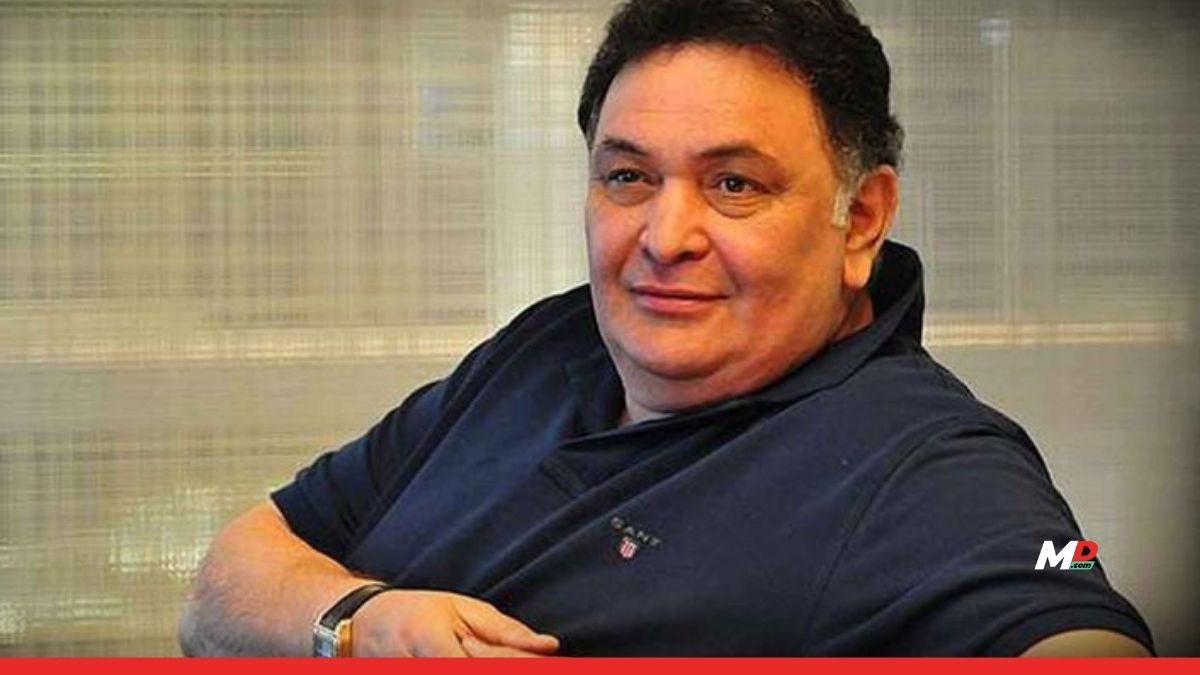
There are many ways to think about Rishi Kapoor, the romantic hero in sweaters or the charming old man in his second innings, but both are incomplete. He worked for over 50 years, transitioning from “chocolate boy” celebrity to sharp, well-observed character actor. If you are limiting your options to only 7 films to discuss his body of work, you don’t get to be sentimental; you have to be ruthless.
This is not a greatest-hits list. It’s a case for the films that define him, even when that means challenging what you think you remember.
- Bobby – The beginning you can’t ignore (but should question)
This film made Rishi a star. It also raised the profile of the youth romance genre and thus became the all-time number one most often mentioned film in Rishi’s body of work. However, the reality is that this film meant much more culturally than Rishi as a performer. While the movie launched him as a major actor, it also confined him to the “lover boy” stereotype that he wore for decades.
You watch Bobby not because it’s his best, but because it explains the burden he spent years trying to escape.
- Karz – The film that proves he was more than charm
If you think Rishi Kapoor was just about romance, Karz is your correction. This movie is a thriller with a pulpy core and lots of juice for Kapoor to work with and showcase the full-bore intensity and rhythmic swagger he rarely gets credit for. The music was hugely popular, but you have to appreciate how he synchronized his performance with the sound of that iconic music, which very few people in popular film had done.
The truth of the matter is that Karz is more significant than Bobby. While Bobby created him a leading man, Karz proved he was capable of carrying the entire film on his own style and conviction.
- Chandni – The peak of the romantic illusion
Bobby started the image, but Chandni perfected it. In the lush, romantic world created by Yash Chopra is no longer an actor but rather an emotion. It is the most romantic portrayal of love in a Hindi film at the highest level of love at its most polished, and also its most artificial.
Does it still stand up today? Not entirely, but that is the whole point. Chandni illustrates both the pinnacle of Kapoor’s stardom and the limitations of the era he dominated.
- Damini – The film where he steps back (and that’s the point)
Damini is not a film made for him; they either over-credit him or ignore him. It belongs to its female lead character and was an unbelievable amount of movies that were made when the question of social change associated with sexual violence would be answered through the court judicial system, and gave this film a historical significance. And yet, his presence is extremely significant; as a husband who is conflicted, neither being heroic nor a villain, but instead just weak, that is his real performance.
The argument is, this is where he quietly breaks his own image.
- Do Dooni Chaar – The reinvention no one saw coming
By the 2000s, it would not have been an unrealistic view of events for Kapoor to fade into the obscurity of a past life. Instead of fading away, he made a change. He played the role of a middle-class school teacher who lusted after owning a new car. He gave a performance that was grounded in realism and had no glamor, no romance, etc., and won the Filmfare Critics Award for Best Actor for his work on this film.
If you do not see this movie and appreciate it for what it is, then you have not seen what the one defining moment of Kapoor’s career is; he went from “being a star” to “being an actor” again.
- Kapoor & Sons – The scene-stealer who didn’t need the spotlight
Kapoor, who plays a 90-year-old grandfather, had the potential to be simply a gimmicky role through the heavy use of prosthetics. However, he was able to elevate the role of the emotional heart of a dysfunctional family dynamic in a commercially and critically successful film.
This is not an example of nostalgia casting; it was a savvy re-making of Kapoor as an actor, and he was able to win awards for his work, but most importantly, he proved he can disappear into a role.
- Mulk – The late-career statement
If there were to be one film representing his final phase, it would be Mulk. As the patriarch of a Muslim family who is fighting against stereotypes and reclaiming his dignity, Kapoor serves as the emotional anchor of a story dealing with identity and belonging. Mulk has dealt with some of the more uncomfortable social issues of the times; however, Kapoor’s portrayal of this character is subtle, reserved, and deeply human.
This is not the charming hero; this is an actor who has nothing to prove and has everything to say.
On his death anniversary, remembering Rishi Kapoor not just for the star he was, but for the actor he kept becoming.