

Business
As Apple completes fifty years, we take a walk down memory lane

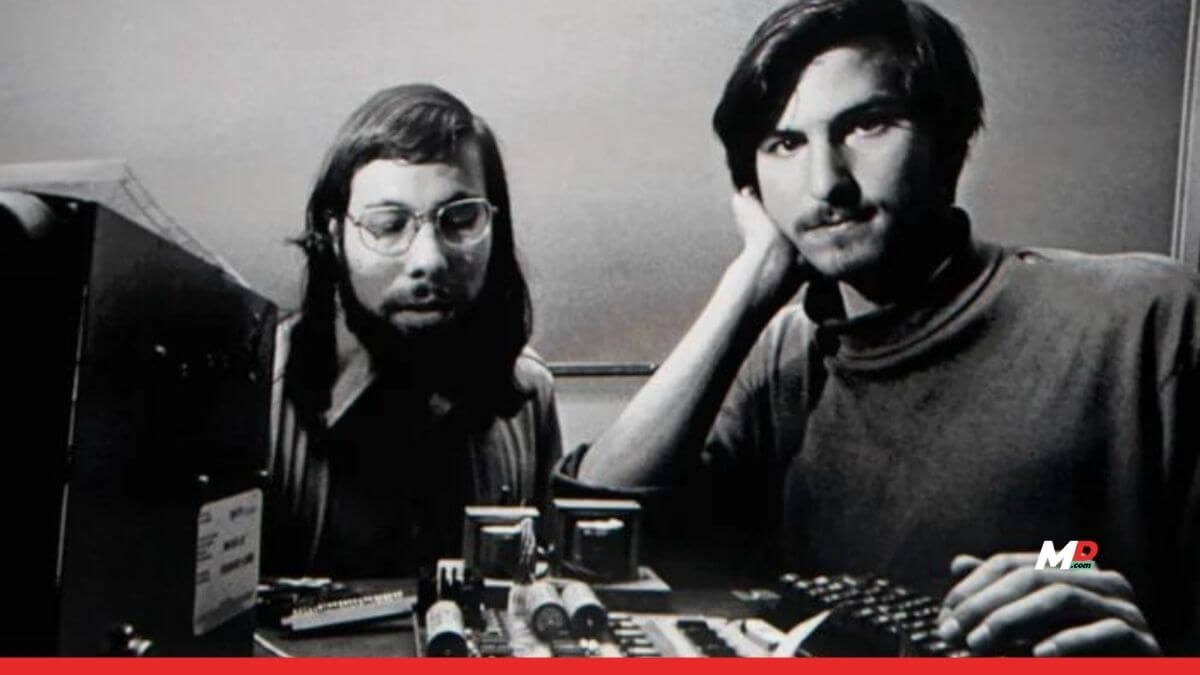
On April 1, 1976, two college dropouts in a California garage set out to build a computer that ordinary people could actually use. Fifty years later, the company they founded is worth more than the GDP of most nations, its products sit in billions of pockets and homes, and its name is shorthand for something the world had not seen much of before: beautiful, intuitive technology. This is the story of how Apple got there.
1984: The Mac moment that rewrote the rules

On January 22, 1984, during the third quarter of Super Bowl XVIII, an ad aired that had nothing to do with the game and everything to do with the future. A woman in athletic gear hurled a sledgehammer at a giant screen broadcasting a dystopian figure to a grey, drone-like crowd. The words that followed were few: “On January 24th, Apple Computer will introduce Macintosh. And you’ll see why 1984 won’t be like ‘1984’.” The ad ran exactly once on national television. It did not need to run again.
1984 Apple’s Macintosh Commercial (HD)
Two days later, the Macintosh launched. It was the first mass-market personal computer to feature a graphical user interface and a mouse, a direct provocation to the command-line world that computing had lived in. Critics called the GUI ‘toylike’. Within a year, they stopped laughing. The Mac fundamentally shifted what a computer was supposed to feel like, and the ripple effects have never stopped.
1997: The return of the King
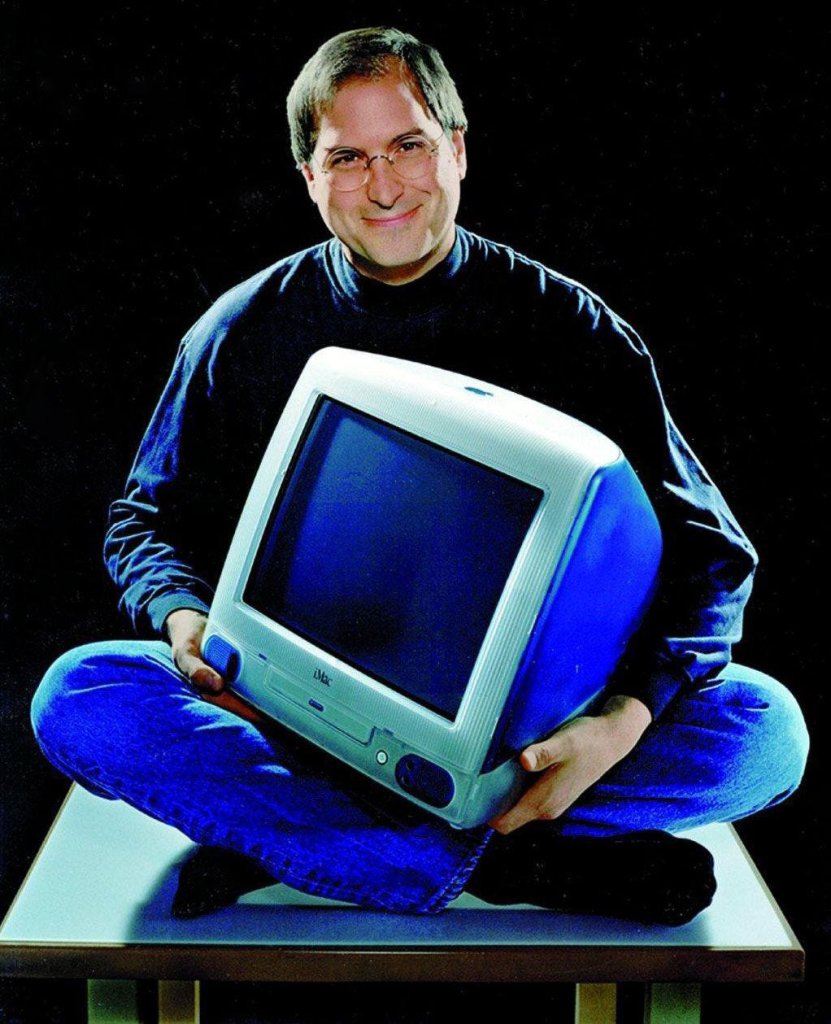
By the mid-1990s, Apple was a company in freefall. It had burned through CEOs, haemorrhaged market share to Microsoft-powered PCs, and was reported to be weeks away from bankruptcy. Then, in 1997, Steve Jobs returned. He had been ousted from the company he co-founded twelve years earlier, and in the interim had built NeXT and helped turn Pixar into a storytelling powerhouse. Apple acquired NeXT, and Jobs came with it.
What followed was one of the most dramatic corporate revivals in business history. Jobs cut the product line, struck a truce with Microsoft, and most critically, launched the ‘Think Different’ campaign, an act of pure brand resurrection that told the world Apple was back and intended to matter. The colourful iMac followed in 1998. Profits returned. So did the faithful.
2001: The iPod and iTunes change the music industry forever
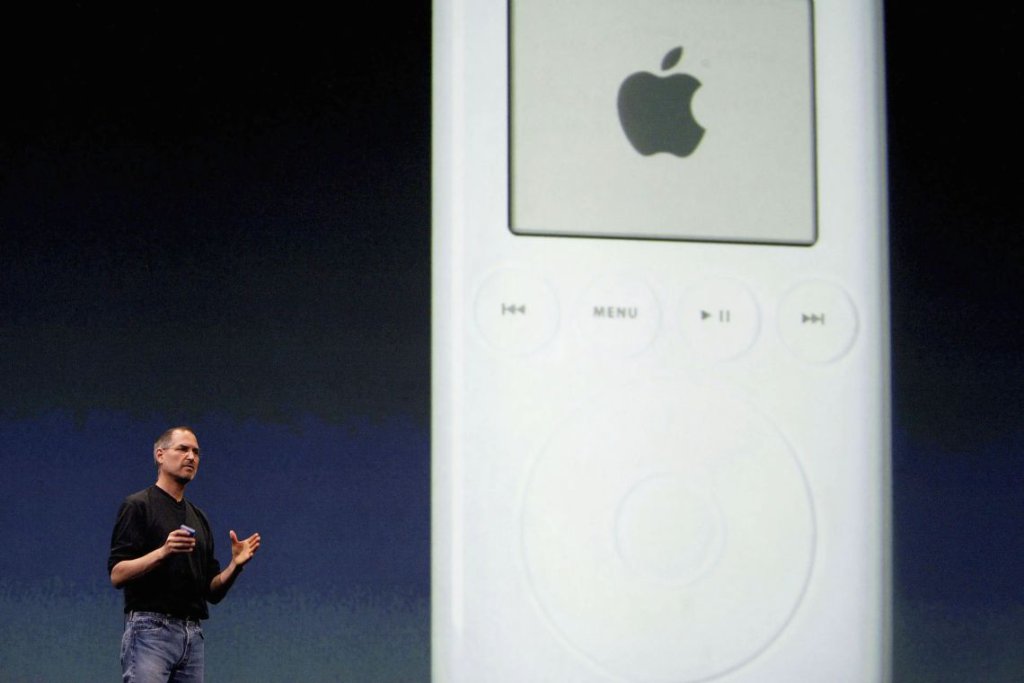
When Jobs introduced the iPod in October 2001 with the line “a thousand songs in your pocket,” he was describing a gadget. What he was actually doing was dismantling an industry. The music business had spent years trying to fight digital piracy through lawsuits. Apple outflanked the problem entirely by making it easier and more pleasurable to pay for music than to steal it.
The iTunes Store, launched in 2003, did the rest. For 99 cents a track, you could legally own a song and play it beautifully. Record labels signed on. Users signed on in their tens of millions. The album as a commercial unit began its long decline. Apple, meanwhile, had proven something crucial: it was not just a computer company. It could reshape any industry it entered.
2007: The iPhone launches, and changes cellular mobility forever
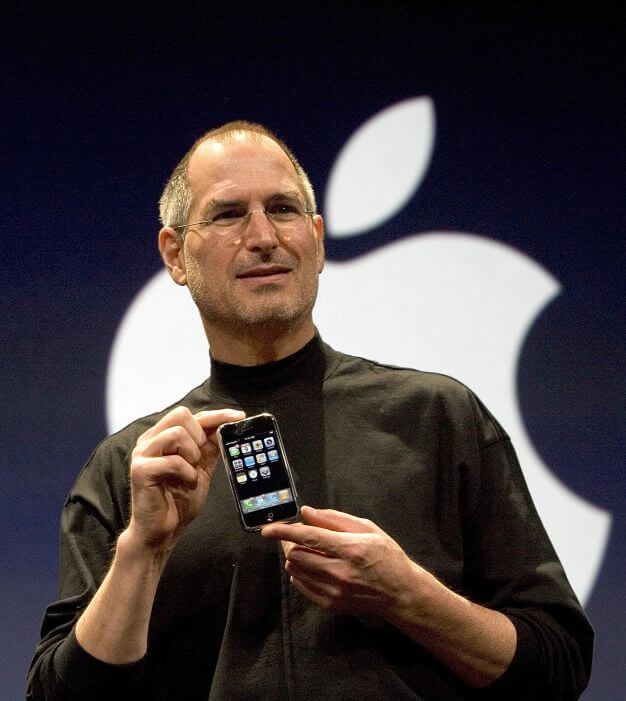
On January 9, 2007, Jobs walked onto a stage in San Francisco and told an audience he was going to introduce three revolutionary products: a widescreen iPod with touch controls, a revolutionary mobile phone, and a breakthrough internet communications device. He said it three times, letting the applause build, before revealing the punchline: it was all one thing. The iPhone had arrived.
What the iPhone did to the mobile phone industry was total. Within years, the keyboard-heavy incumbents, Nokia and BlackBerry among them, were in existential crisis. The smartphone became the central object of modern life. The way people communicate, consume media, navigate cities, shop, bank, and photograph their food all changed, irrevocably, because of what Apple launched that January morning.
2008: The App Store and the birth of a new economy
A year after the iPhone, Apple did something arguably more consequential: it handed the keys to everyone else. The App Store, launched in July 2008, was a marketplace where independent developers could build and sell software directly to iPhone users. It sounds simple. Its effects were not.
The App Store created an entirely new category of business. Entire companies, from Instagram to Uber to Airbnb, were either born on or supercharged by the platform. App development became a career path for millions. The “app economy” now generates hundreds of billions of dollars annually. Apple had built a product; with the App Store, it built an ecosystem that other people’s livelihoods depended on.
2018 and Beyond: The Tim Cook era and the Trillion-Dollar crown
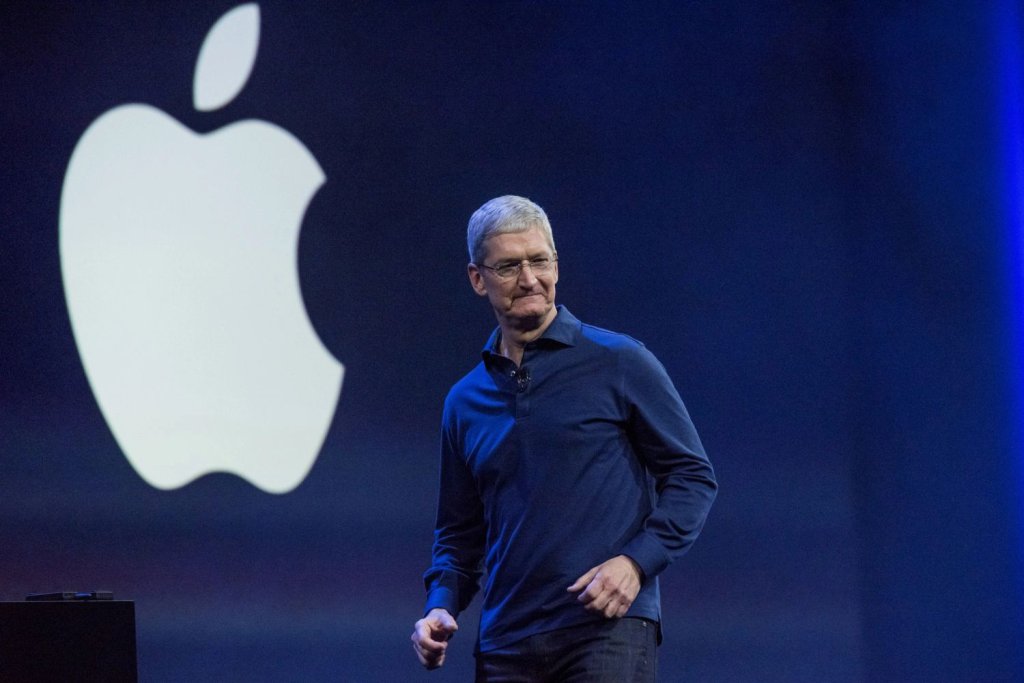
When Steve Jobs passed in 2011, the question that hung over Apple was whether the company could survive his absence. Tim Cook, the operations genius who had quietly made the supply chain that built Apple’s empire, stepped into the role with little fanfare. The sceptics were loud. The numbers, eventually, were louder.
In August 2018, Apple became the first publicly traded American company to reach a market capitalisation of one trillion dollars. It was a number that belonged to no prior template. Cook’s Apple expanded aggressively into services, wearables, and health technology. The Apple Watch became the world’s best-selling watch of any kind. AirPods created a product category. Apple TV+ entered the streaming wars. Today, the company Jobs and Wozniak founded in a garage is worth over three trillion dollars, and it still has not finished telling us what comes next.
Fifty years in, the garage is long gone, but the ambition never left.