
Entertainment
Exclusive: “The system is designed around output, not the artist”: Rohith Sobti

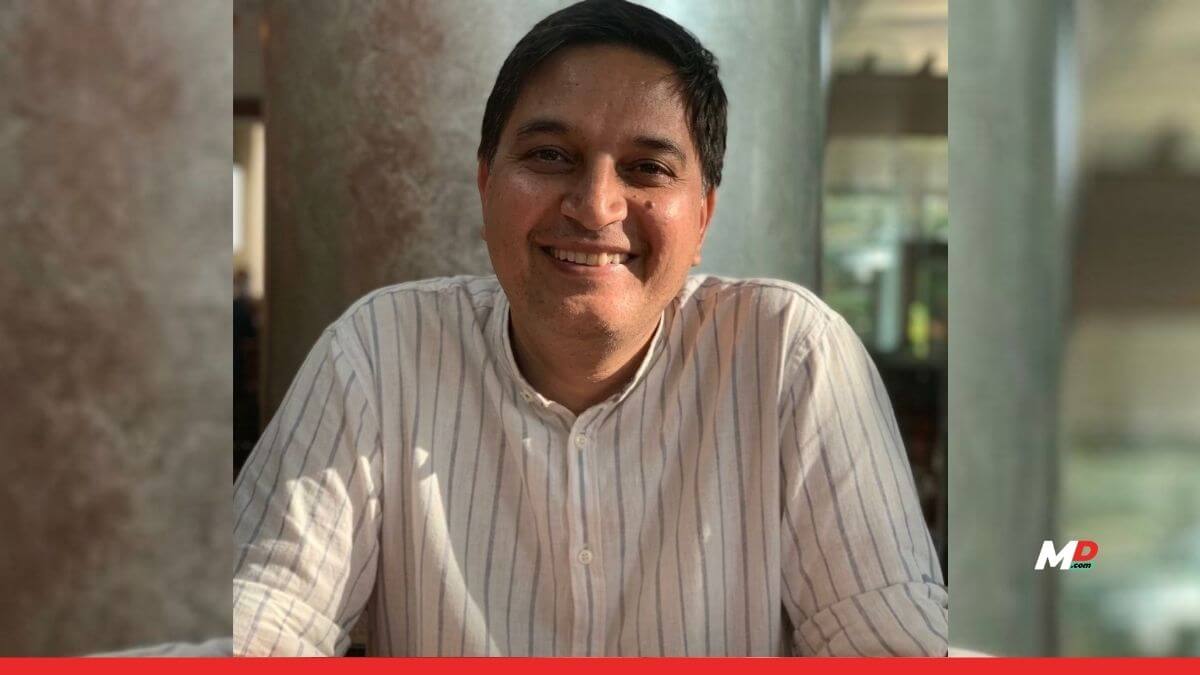
The pressure to create “hits” and use an analytical approach, quite often referred to simply as ‘an algorithm’, is a major force driving the current entertainment industry. In the past 27 years Rohith Sobti has held key leadership roles at Yash Raj Films and Sony Music India, where he helped shape and scale some of India’s most influential entertainment businesses. He has established himself as an innovative leader who is focused on putting the artist back at centre stage in the creative economy and has played a very significant role in creating some of the largest and most successful entertainment ecosystems in India (filmmaking, music, brands and IP).
As a co-founder & curator of The Shakti Collective, Rohith is currently working to create what he refers to as a “cultural house”, a fully integrated platform containing music, storytelling, artist development, and scalable IP. He speaks to Marksmen Daily exclusively about some of the gaps that exist within the traditional system; how he envisions the future of Indian entertainment; and why developing meaningful and long-term cultural IP is one of the most critical functions of today.
You’ve worked across labels, films, and now built an artist-first ecosystem. What was the exact breaking point where you felt the traditional system wasn’t serving artists anymore?
We have a belief – there is at least 100X immense talent out there which is not part of the industry due to many factors. In my time at YRF and throughout the industry, I saw immense talent but very little structured support for long-term artist development. Artists were being built project by project, not as complete creative identities.
The breaking point was realising the system is designed around output, not the artist. There was no consistent pathway for learning, identity building, and career evolution. That led to The Shakti Collective to move from a project-based approach to a full ecosystem where the artist is at the centre, not just the product. YRF has done similar things for Film Directors, Talent like Anuskha Sharma, Ranveer Singh and others
Everyone’s talking about creator economy, but very few are building long-term cultural IP. What does India still misunderstand about building lasting entertainment brands?
To build long-term cultural brands, you need vision, patience, clarity, understanding of varied industries, 360 creativity and understanding of content, products and experiences. Patanjali has developed a robust Yoga / spiritual brand in this space in last 20 years.
India has the culture, but the shift needed is from short-term content to long-term world-building. We want to build IPs that are not just consumed, but remembered. We are building for Conscious Globalists who value meaning over fleeting trends.
From Mahavatar Narsimha to discovering new voices, how do you balance scale-driven projects with nurturing raw, emerging talent?
The new stream of artists are very deep rooted, living life and their craft is an extension of the same. We have noticed the same while working with Naag Ashwin on Kalki (we did Merch strategy and Animation deal with Green Gold), Ashwin Kumar of Mahavtar Narsimha and now with Dr Vishal Chaturvedi of Hanuman Ansh. We are looking for these deep creators who are consecrating their art not only creating it.
The work is same for both talent – nurture, curate, mount, protect and monetise their craft – it is just at different scale of effort.
TSC Academy is often described as more than just a learning platform. How is it different from traditional music education systems, and what gap is it really solving?
Most music education focuses on skill acquisition in isolation. TSC Academy is built as a structured artist pathway. We focus on the Human, Artist, Art framework. Alongside technical training, artists get mentorship from practitioners like Sandesh Shandilya and Prasad Khaparde, exposure to real-world projects, and an understanding of how the ecosystem actually works. We are bridging the gap between learning and becoming a working talent entrepreneur who can monetize their own craft.
You’ve worked with names like Arijit Singh and Amit Trivedi, what’s one common trait you’ve seen in artists who sustain success versus those who peak and fade?
The artists who sustain success are deeply connected to their identity and evolve without losing it. They are not chasing algorithms; they are refining their own self everyday. There is a strong sense of discipline and Saadhana in their approach. Those who peak and fade often rely too heavily on external validation. Sustained artists build from within, which is exactly what we teach at TSC Academy: Unfold yourself, from within to the world.
If you had to predict, what will the Indian music and storytelling landscape look like in the next 5 years, and where does The Shakti Collective fit into that shift?
Conscious Entertainment – Bhajan Clubbing is the beginning of that revolution. It will be driven by mainstream Entertainment content but will elevate the soul without being direct/preachy about it.
The next five years will see a shift from content-driven ecosystems to IP-driven cultural ecosystems. Music and storytelling will become interconnected worlds. We will see a rise of artist-first structures where development and identity building are as important as distribution.
The Shakti Collective is building for that future. Through our Spot, Nurture, Nourish, Monetize model, we are creating a pathway where artists move from learning to global scale while staying rooted in culture.
Through collaborations with multiple award-winning musicians/artists working with Arijit Singh, Amit Trivedi, Vishal Bhardwaj, and creating big initiatives for culture through his involvement in The Shakti Collective, Rohith’s story represents both depth and transitions. As rapid changes occur within the entertainment industry, Rohith is counterbalancing this transition by providing an artist-first perspective, building cultural awareness within the industry, and creating future-focused IP to create a significant impact as the Indian creative sector goes through many worldwide reinventions regarding how music has been made, fostered and experienced throughout the world.