
Sports
Formula 1 Eyes an India Comeback: Why the Grand Prix Left and What Could Bring It Back

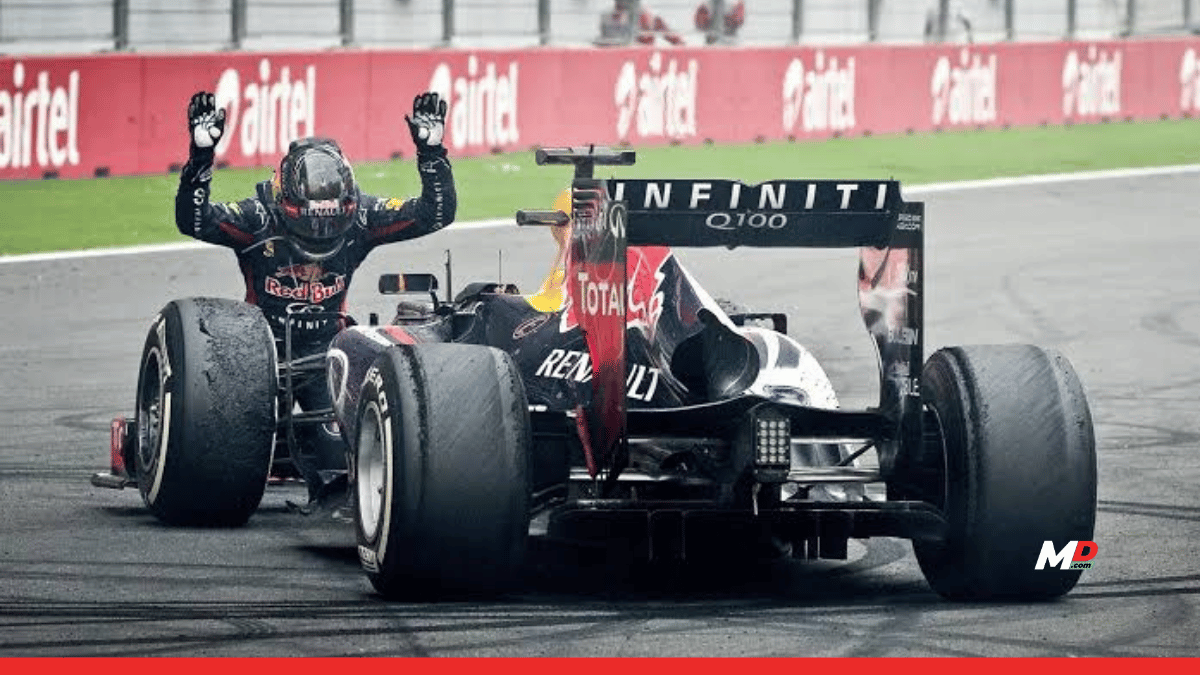
India hosted three races from 2011 to 2013. A government task force is now studying a return, with 2028 as a target and no confirmed date.
Formula 1 could be edging back towards India after more than a decade. Talks between government representatives, potential promoters and the sport’s leadership are picking up, and the spotlight is back on the Buddh International Circuit in Greater Noida, which hosted the Indian Grand Prix from 2011 to 2013.
The race was meant to put India on the global motorsport map, but it vanished from the calendar after three editions. Tax disputes, customs complications and financial trouble made it unsustainable. Renewed interest from Formula 1, the Adani Group’s involvement and a government-led review of the motorsport ecosystem have now revived the idea. A 2028 return is being explored, but no race has been officially confirmed.
Why F1 left India
The first Indian Grand Prix took place in 2011 at the purpose-built Buddh International Circuit and drew international attention. It returned in 2012 and 2013, and Sebastian Vettel won all three. Despite the sporting success, the business and regulatory environment proved difficult.
Taxation. Indian authorities treated the Grand Prix as entertainment rather than a sporting competition, which created extra tax liabilities and uncertainty for organisers. Questions also arose over how F1’s international earnings and participants’ income should be taxed in India. These disputes outlasted the final race and became a major source of friction.
Customs and regulation. F1 moves racing cars, specialised equipment, technical staff and freight across several countries. Customs requirements caused serious complications during preparations for the 2011 race, showing the need for a clear framework for temporarily importing racing equipment.
Costs and promoter troubles. Hosting a race means an annual hosting fee plus circuit upkeep, security, logistics, broadcast facilities and operations. Financial difficulties at the Jaypee Group, which developed and promoted the event, compounded the regulatory pressure. The race was dropped after 2013, which showed that a world-class circuit alone isn’t enough to secure a lasting place on the calendar.
Why a return is back on the agenda
A government push. The government has set up a task force to assess the feasibility of reviving F1 in India, with a roadmap aimed at being ready to host a race in 2028. It is examining taxation, customs procedures, infrastructure needs and public-private partnership models. Coordination between central departments and state authorities will matter for resolving the problems that complicated the earlier event.
The Adani Group. The group has acquired interests linked to former Jaypee Group assets, including the Buddh International Circuit, through an insolvency resolution process. Owning the venue is only one piece. A comeback would also need a capable promoter, a commercially viable model and agreement with Formula One Management.
A bigger fan base. Digital platforms, streaming and social media have made it much easier for Indian fans to follow F1 since 2013, and India’s large consumer market offers real potential for sponsors, media and hospitality. But a big audience doesn’t automatically make a viable Grand Prix. The challenge is turning interest into ticket sales, sponsorship, tourism spending and long-term returns.
What it would take
- Regulatory clarity: a predictable framework for tax, customs and moving international equipment.
- Government support: coordination between central and state authorities.
- A credible promoter: one with the financial strength, expertise and long-term commitment to run the event.
- Commercial sustainability: sponsorship, ticketing and hospitality revenue that can cover the cost of hosting.
- Infrastructure: a circuit, transport, accommodation and security that meet F1’s standards.
- A calendar slot: agreement with Formula One Management on timing and commercial terms.
Formula 1 CEO Stefano Domenicali has said India remains an important market, but that a return depends on the right promoters, partnerships and timing. That interest is encouraging, but it is not a commitment to stage a race.
Beyond the race
A Grand Prix can bring overseas visitors, demand for hospitality and tourism, business for local suppliers and a global platform for the host. A successful return could also boost India’s wider motorsport ecosystem, including driver training, engineering and opportunities for young professionals. The scale of those benefits would depend on how the event is structured, how much investment it draws and whether the surrounding ecosystem can sustain activity beyond race weekend. The government’s review could also shape how India approaches hosting major motorsport events in future.
Is an Indian Grand Prix in 2028 confirmed?
No. 2028 is a target being explored, not a confirmed date. The outcome depends on resolving the regulatory and commercial issues, putting a suitable promoter and investment structure in place, and Formula One Management agreeing to add the race to its calendar.
India’s earlier experience offers a clear lesson: a Grand Prix depends on far more than the circuit. Government cooperation, predictable rules, reliable logistics and a sustainable financial model matter just as much. After 13 years away, momentum has returned, and whether it carries India back onto the grid will depend on turning interest into a workable, long-term commitment.
Sources: The Times of India, Reuters, Business Standard.