

Travel
Is Air India cancelling international flights? Here’s the truth

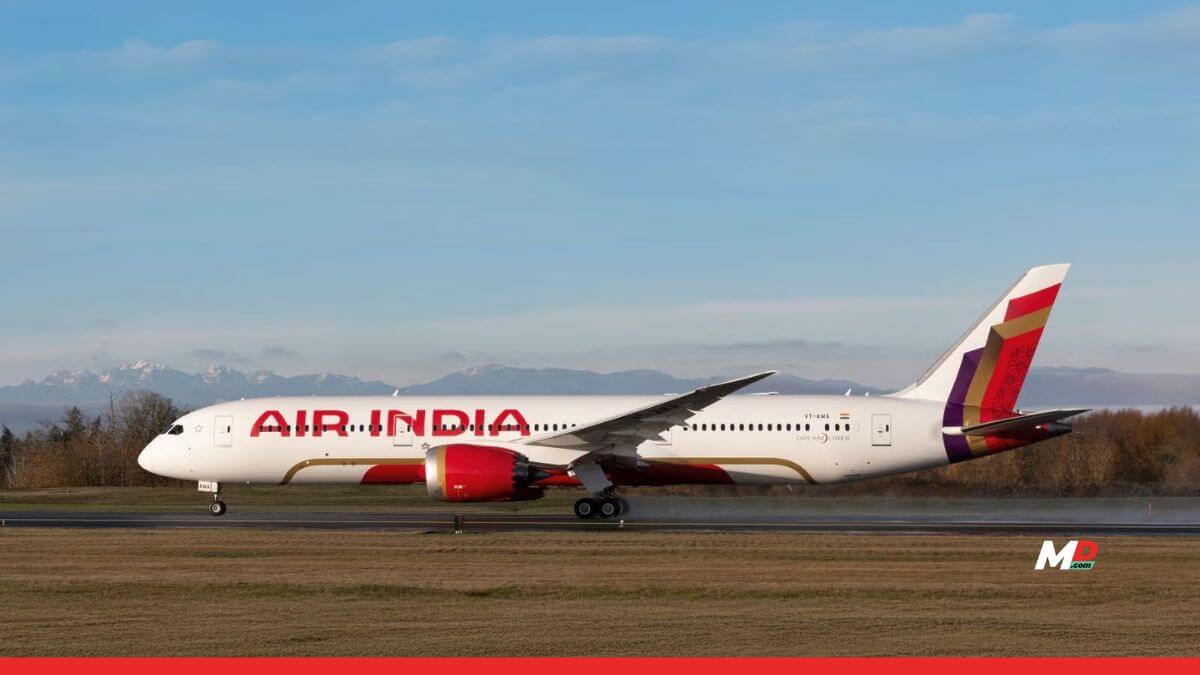
When a viral claim spread across Indian social media in early May claiming that Air India had cancelled all its international flights until July 2026, the airline’s communications team moved swiftly to deny it. The denial was accurate. But the truth behind the rumour was almost as striking.
Air India has not grounded its global network. What it has done, quietly and without fanfare, is carve out significant chunks of it. Across 29 international routes, flights have been suspended or reduced for the period running June through August 2026. The destinations affected read like a map of India’s most strategically important aviation corridors: the United States, Canada, Europe, Singapore, Australia, China, and several SAARC neighbours.
The primary culprit is jet fuel. Aviation turbine fuel prices for international operations have more than doubled between February and April 2026, driven by a broader surge in global oil prices. While the Indian government offered some relief to domestic carriers on domestic operations, international flights attract fuel costs at global market rates. For an airline that operates the country’s largest widebody fleet, and whose routes span the Americas, Europe, and the Indo-Pacific, that exposure is enormous.
The pain is sharpest on the North America network. Air India has effectively wound down much of what it built there. The Chicago O’Hare service is suspended until October 2026. The Mumbai-JFK and Delhi-Newark routes are off through August. San Francisco frequencies have been trimmed. Flights to Toronto and Vancouver are reduced. Only the Delhi-JFK route has been held intact, a symbolic lifeline to a market Air India has worked hard to develop.
The Singapore story is arguably the most dramatic. What was a 24-flights-per-week operation from Delhi has been slashed to 14. Flights from Chennai are suspended entirely for the summer. Mumbai services have been halved. Singapore is not just a leisure and business destination for Indians; it is a critical hub for onward connections into Southeast Asia and beyond. The cuts there signal how seriously Air India’s management is treating the cost pressure.
Europe, too, has not been spared. Paris flights have been cut from double daily to once a day. Copenhagen, Milan, Rome, Vienna, and Zurich all see frequency reductions. London Heathrow, one of Air India’s most commercially critical routes, has so far been protected. The Australia network, operated on Boeing 787 widebodies currently being rotated out for refurbishment in California, has also been trimmed. The Shanghai route, barely restarted in early 2026, has been suspended again.
There are other forces compounding the fuel problem. India’s ban on Pakistani airspace, following the geopolitical fallout of early 2026, forces Indian-registered aircraft on routes through or near Pakistan to take longer detours. This adds both flight time and fuel burn, hitting Air India’s widebody operations disproportionately hard. On top of this, the airline is still working through a significant financial deficit accumulated during its transition from government ownership to the Tata Group.
The airline has been at pains to note that the cuts, while deep, are not an abandonment of its international ambitions. More than 1,200 international flights will still operate monthly through the summer, spanning 33 North American departures per week, 47 into Europe, 57 into the UK, and over 150 across the Far East, Southeast Asia, and the SAARC region. The core network endures. What has been removed, at least for now, is the growth that the airline had spent the past two years trying to build.
For Indian travellers with summer plans, the message is clear: check your bookings, confirm your routes, and if your Air India flight is among those cut, find alternatives before the scramble begins.