

Leadership
The rise of Founder-Led content: Why entrepreneurs are becoming their own media brands


In the past, companies invested in building a professional business identity while founders remained out of the limelight. However, that is changing: the role of the founder has evolved as it is becoming more common for the entrepreneur to act as the brand’s spokesperson and the storyteller via various platforms like LinkedIn, Instagram, YouTube, podcasts, and newsletters. Founder-driven communication is not just aimed at establishing a personal brand anymore but has become a powerful business approach based on the principles of visibility, credibility, and trust.
The Founder is becoming the story
Interest is growing on the individual behind the business: What made them set it up? What problem did they want to fight against? What issues have occurred along the way? When a founder shares thoughts on certain tough product choices, failed launch or lessons learned from clients, companies can appear to be more alive than a regular firm’s post. It does not mean that founders should share their entire lives. The best pieces of content relate founders’ personal experience with something useful for the audience. For example, a food brand founder can explain the choice of an ingredient, while a technology entrepreneur can share some lessons learned from customers that help him build a product.
From personal branding to business strategy
In the present day, founders can directly impact business objectives. Founders’ content can help firms explain their offerings, address customer queries, display expertise, hire talent, and generate opportunities for partnerships and investments. This can be extremely useful for startups that may not have massive marketing budgets as larger competitors. Instead of repeatedly paying to put the company in front of new audiences, founders can use their content to ensure long-standing engagement with different groups of people. A founder’s LinkedIn post, an Instagram video or a mailing list can be used to inform potential customers about the business before they reach out to the sales department.
Why podcasts are fueling the shift
Podcasts accelerated the trend, granting new-age entrepreneurs what older forms of advertising could not: time. Compared to a quick, 30-second advertisement that must send the message immediately, a podcast allows a company owner to talk about the entrepreneurial journey, industry, failures, views, and thoughts in much more depth. The emergence of video podcasts enhanced the situation, as one long conversation may become numerous short videos for Instagram, LinkedIn, or YouTube, giving weeks of content for one recording. As a result, entrepreneurs are not just guests on podcasts but also film their videos on their own and become producers on their own.
Authenticity is becoming a competitive advantage
In an online world packed with perfected campaigns and more AI-generated information; sounding genuine can be a stand-out feature. Consumers are able to easily tell content that seems impersonal, too scripted, or detached from the creator’s personality. Authenticity should not be equated with carelessness. Instead, authenticity stands for having a strong viewpoint and being ready to express the thought process behind the company. The business founder who willingly admits to a failure or explains why a product changed or how the firm reacted to customer feedback will build a deeper connection with consumers than the brand that speaks only when it needs to promote something.
Smaller brands can compete with bigger names
Content that is led by the founder could also help in leveling the competition. A relatively smaller company might lack the adverting investment of an international player but has the founder’s voice and loyalty to the community. For instance, a creator of a skincare brand might tell how customers changed the formulation, or a fashion founder could demonstrate how the collection was sourced and designed. These stories result in customers remembering the brand well. What is important is not the possible reach but rather the degree of co-operation with the audience.
The shift from “brand awareness” to “trust awareness”
Conventional marketing inquiries are: Are clients aware of our company’s product? Founder-centered marketing brings in another question: Do people trust the founder of the brand? The difference is essential. Consumers might identify the logo but not have any desire to buy it. If people get to know the founder, he can give them more information. When people keep seeing the founder explaining his decisions, providing knowledge, and communicating with people, trust can be built.
Founder-led content is becoming an owned media asset
The most significant change could be that the concept of founder content is not merely limited to social media posts. When done consistently, it can turn into an owned media property of the business. A single founder interview may provide materials for a podcast episode, a couple of short videos, a LinkedIn post, a newsletter, and an article for the website. In the long run, this process builds up a library of ideas and expertise, and stories that introduce the audience to the company. The voice of the founder should enhance the brand rather than overshadow it.
The concept of founder-led content is fundamentally transforming how companies build brands. According to the most successful entrepreneurs, it is no longer enough to wait for the media to tell your story or to advertise to customers from a distance. Instead, entrepreneurs are taking matters into their own hands, creating channels where they can express their ideas and foster communities. In a competitive environment, the voice of the founder may become one of the most precious assets of the organization.
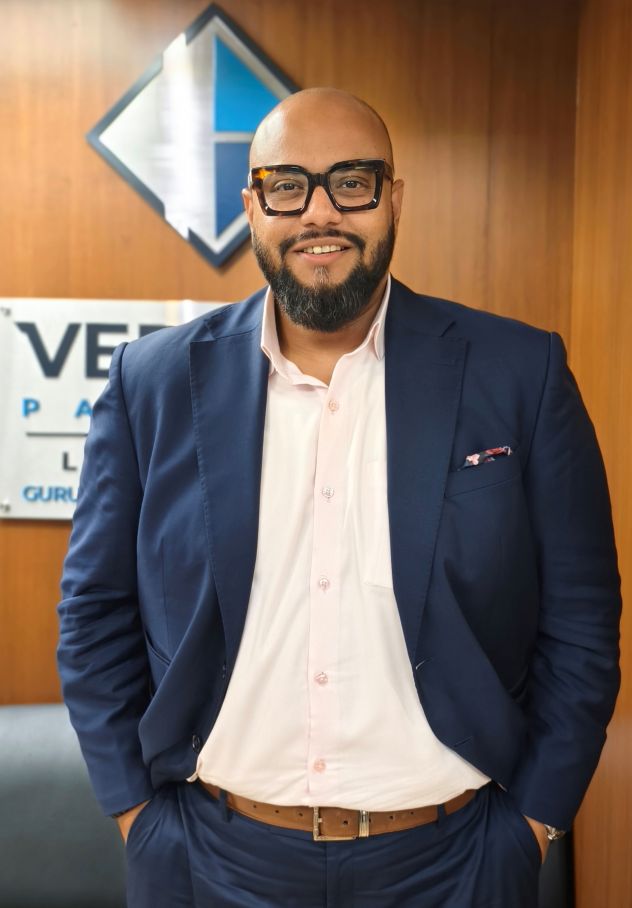
Vinayak Burman is the Founder and Managing Partner of VERTICES PARTNERS.
