

Food
Healthier Mithai Finds a Seat at the Diwali Table, but Tradition Keeps Its Place

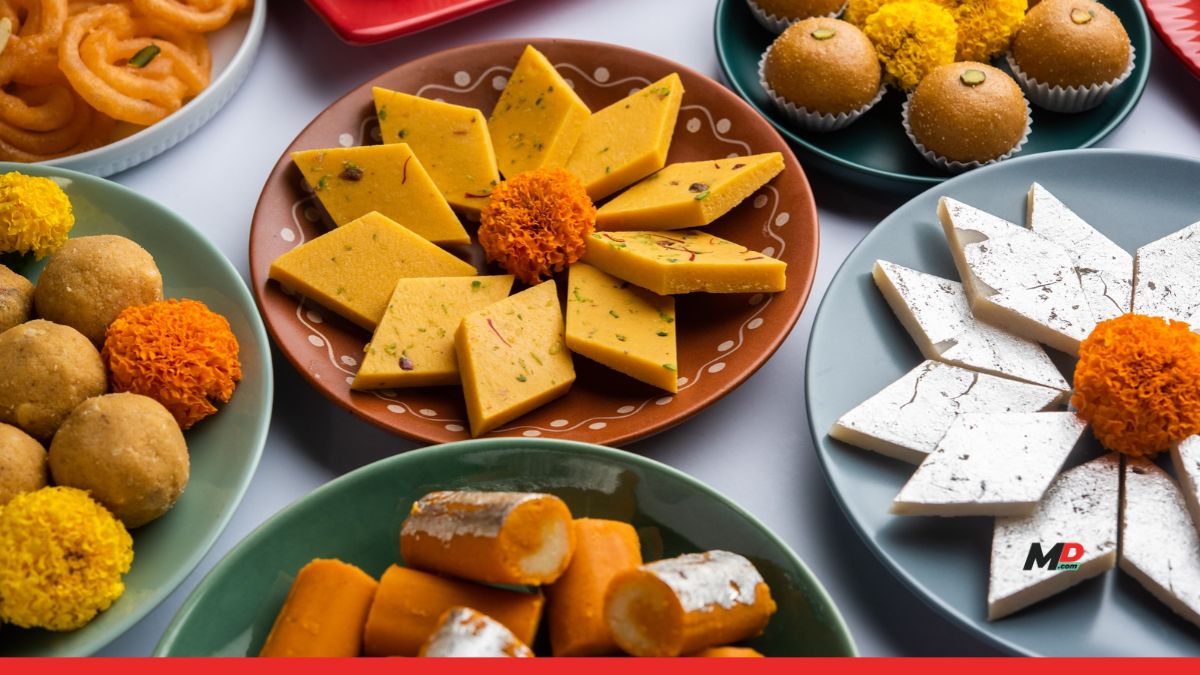
Dry-fruit boxes and reduced-sugar sweets are drawing interest from gifters, though taste, price and honest labelling will decide how far they go.
Diwali without mithai is hard to imagine. Kaju katli, laddoos and assorted barfis anchor festive gifting across India. But growing awareness of sugar and nutrition, especially among younger buyers, is nudging some people to look for alternatives. The shift is not about giving up the classics. It is about having more choices in the box, and brands that read that difference correctly stand to gain.
Add, don’t replace
Familiar flavours and the ritual of sharing sweets are strong enough that traditional mithai is unlikely to lose its place. What is changing is the mix. A family may buy the usual sweets for home and choose a dry-fruit assortment or a reduced-sugar selection for friends, colleagues or relatives with different dietary needs. For brands, healthier lines work best as companions to the favourites, not rivals to them.
Dry fruits as a premium option
Sweets built on almonds, cashews, pistachios and dates are gaining ground as premium gifts, helped by presentation, ingredient appeal and versatility. They also suit corporate gifting, where companies look for distinctive hampers for staff, clients and partners.
One caution: “refined-sugar-free” does not mean “sugar-free” or “low-sugar”. Dates, honey and jaggery are alternatives to refined sugar, but they still contain sugars. Clear ingredient information matters more than a “natural” label.
Corporate gifting’s role
Companies increasingly have to think about varied tastes among employees and clients, which could boost customised hampers mixing dry fruits, nuts, premium sweets and reduced-sugar options. Mixed boxes let buyers keep the familiar while offering variety. Brands should still find out why people buy. A premium dry-fruit hamper may sell on perceived value and looks, not because buyers want healthier food.
What will decide adoption
- Taste: Shoppers may try alternative ingredients, but repeat purchases depend on flavour and texture.
- Production: Cutting or replacing sugar can change taste, consistency and shelf life, and the product must still make commercial sense.
- Price: Bulk corporate orders often run on fixed budgets, so brands must justify premium pricing.
- Honest labelling: “Sugar-free”, “low-sugar”, “no added sugar” and “naturally sweetened” mean different things, and packaging should reflect what is actually in the product.
More choice, not a rejection of tradition
The market is heading towards a broader festive range, with traditional mithai keeping its cultural pull and dry-fruit and genuinely reduced-sugar options serving other tastes. Premium sweets are already a growing but small niche, as Mint’s reporting on luxury mithai has shown. Brands that pair quality and taste with transparent communication could reach a wider audience as gifting preferences change.