
Brand Speak
HUL vs Nestlé India Q2: Faster Growth at Nestlé, Bigger Profit and a Rs 19 Dividend at HUL

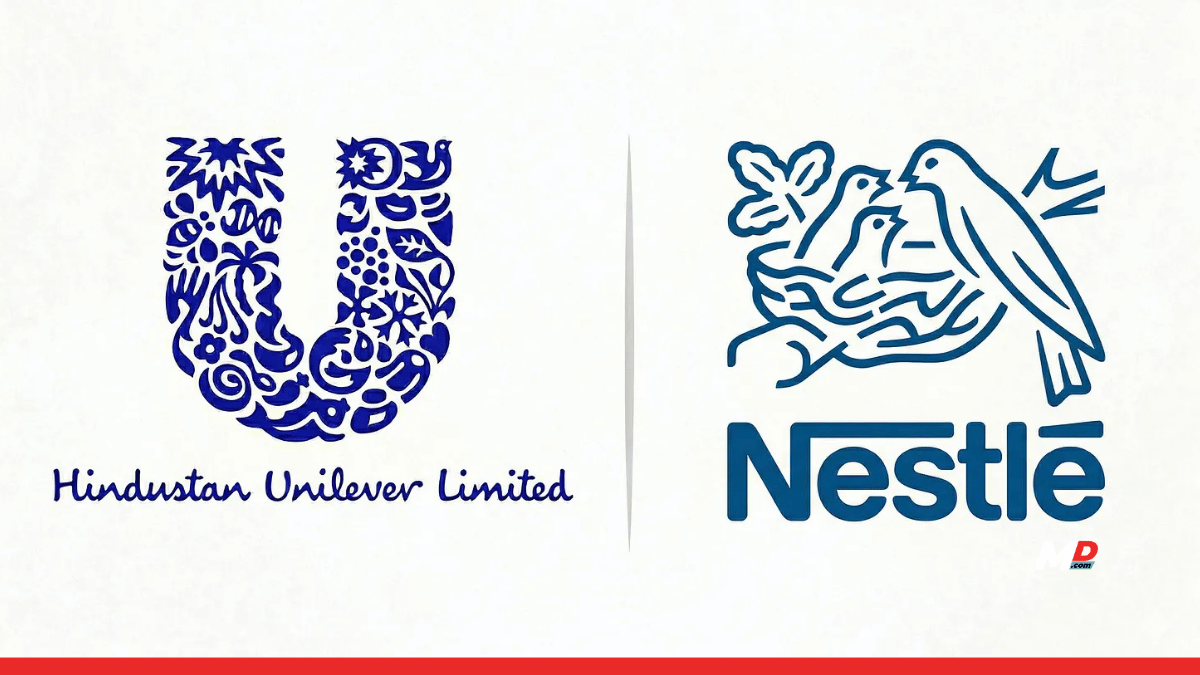
Nestlé India grew profit and revenue faster in the September quarter, while Hindustan Unilever earned far more in absolute terms and declared an interim dividend. Rising costs weigh on both.
India’s two biggest FMCG names have posted very different September-quarter results for FY2026–27. Nestlé India reported faster growth in profit and revenue, while Hindustan Unilever (HUL) generated much higher earnings and decent volume growth, though rising input costs squeezed its operating margin.
The numbers give investors different things to weigh, from earnings momentum to dividends to valuations. One quarter’s results alone do not settle which stock is the better investment.
The numbers at a glance
| Nestlé India | HUL | |
| Quarterly net profit | ₹1,026.8 crore (standalone), up about 36% | About ₹2,844 crore, up about 6% |
| Revenue growth | Revenue from operations ₹6,788.3 crore, up 20.3% | Underlying sales growth 15%, underlying volume growth 7% |
| EBITDA | Margin 23.8% | ₹4,089 crore, operating margin lower year on year |
| Dividend | None in the comparison | Interim ₹19 per share |
Nestlé India’s standalone profit after tax was ₹1,026.77 crore, up 36.3% year on year, according to Free Press Journal. Revenue from operations rose 20.28% to ₹6,788.34 crore, according to JM Financial’s market report. The comparison article cited for this piece also gives a consolidated figure of ₹1,009.6 crore, up 35.9%.
Profit: growth versus scale
Nestlé India’s profit grew faster, but HUL’s absolute earnings are still nearly three times Nestlé’s. A faster growth rate signals stronger recent momentum, but the size and durability of earnings, and the price paid for the stock, matter too.
Revenue and volumes
Nestlé India’s total sales rose 20.5% to ₹6,782.2 crore, with domestic sales up 20.4%. HUL’s reported revenue growth was more modest, but it recorded 15% underlying sales growth, which it said was its strongest in 14 quarters, and 7% underlying volume growth.
Volume matters because it separates demand-led growth from growth driven mainly by price rises. Nestlé’s double-digit sales growth points to broad demand across its range, and HUL’s volumes suggest its work on brands and distribution is gaining traction.
Margins and costs
Both companies face cost pressure. Nestlé India’s EBITDA margin was 23.8%, but advertising and marketing spend rose 46% as it invested in its brands. Chairman and Managing Director Manish Tiwary pointed to rising food inflation and commodity costs, and to innovation and productivity as responses. Cocoa prices remain volatile, and milk prices have firmed seasonally, according to the company’s commentary.
HUL reported EBITDA of ₹4,089 crore, while its operating margin narrowed year on year. The company is emphasising volume-led growth for sustainable momentum. How both manage input costs, pricing, advertising and supply chains without hurting demand will shape the margin outlook.
Dividend
HUL announced an interim dividend of ₹19 per equity share for FY2026–27, with November 12, 2026 as the record date and payment on November 25, 2026. The comparison did not mention a dividend from Nestlé India alongside its September-quarter results.
A dividend is not a standalone reason to buy a stock. Share price, eligibility dates and the company’s future ability to pay also matter.
How the stocks have performed
According to the Mint comparison cited in the source, HUL shares had fallen about 26% over the previous year and Nestlé India shares about 8%, with recent weakness in both over shorter periods. Nestlé’s shares also fell sharply on the day it announced results, despite the strong profit growth. These figures reflect the date of the original comparison and are not live prices. Past performance does not predict future returns.
What brokerages say
According to the same source:
- Nestlé India: Macquarie kept a Neutral rating and trimmed its target to ₹1,570 from ₹1,575, citing inflation and commodity volatility. Morgan Stanley kept Equal-weight with a ₹1,538 target, noting strong sales and flagging food inflation.
- HUL: Morgan Stanley kept Equal-weight with a ₹2,480 target. Jefferies kept Buy but cut its target to ₹2,350 from ₹2,450, citing volume growth and strength in Home Care and Beauty & Wellbeing.
These are brokerage opinions, not guaranteed outcomes, and ratings and targets change.
Key takeaways
- Profit growth: Nestlé India grew faster.
- Absolute earnings: HUL earned far more.
- Revenue momentum: Nestlé India’s reported growth was stronger.
- Volumes: HUL’s 7% underlying volume growth is a positive sign.
- Dividend: HUL declared ₹19 per share.
- Risks: Both face inflation and input costs. HUL’s margin contraction and Nestlé’s higher brand spending deserve attention.
The decision should rest on more than one quarter: business quality, valuation, earnings durability, competitive position, capital allocation and the investor’s own goals, risk tolerance and time horizon.
This article is for information only and is not investment advice. Consult a SEBI-registered investment adviser before making investment decisions.
Sources:
- Free Press Journal: Nestlé India Q2 FY27 standalone profit
- Business Today: Nestlé India Q2 earnings
- JM Financial: Nestlé India Q2 FY27 market report
- Mint comparison cited in the original source, for HUL figures, stock performance and brokerage views.