

Health
5 Everyday Habits That Can Raise Fatty Liver Risk, Even If You Never Drink

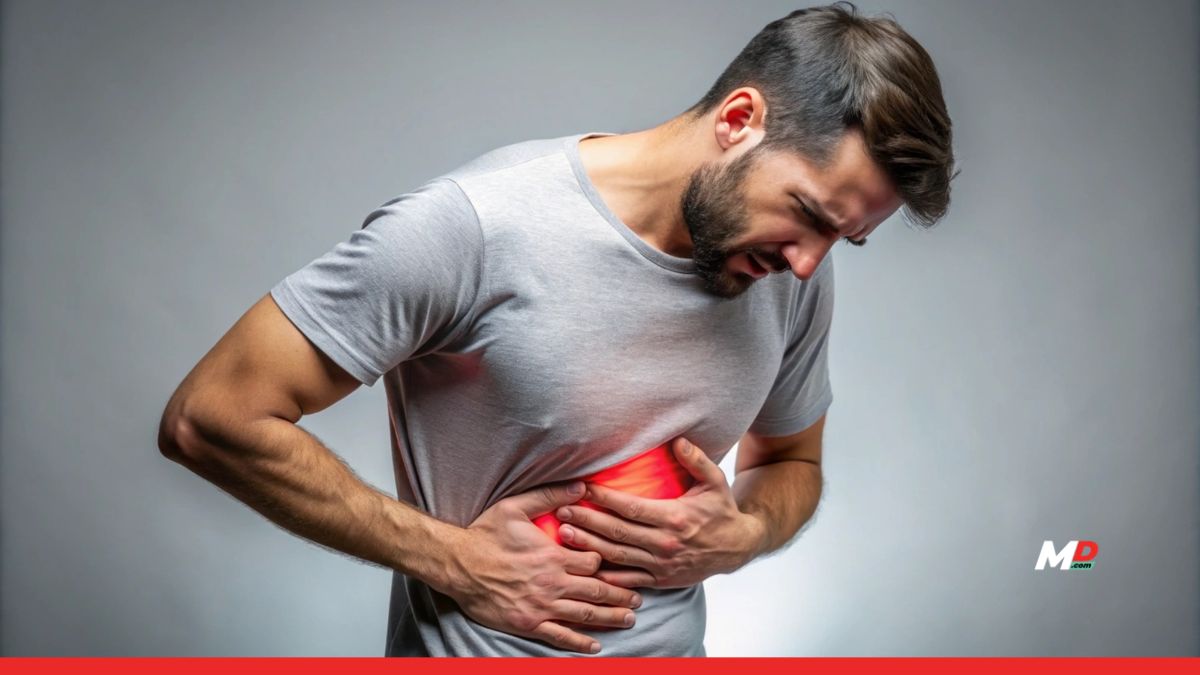
Late dinners, sugary drinks, long hours of sitting and poor sleep can add up over time.
Alcohol gets most of the blame for liver damage, but it isn’t the only cause. Fatty liver disease can also develop in people who don’t drink, especially when diet, inactivity and poor metabolic health lead to extra fat building up in the liver.
The condition is now often called metabolic dysfunction-associated steatotic liver disease (MASLD), and it can develop without obvious symptoms. One late dinner or lazy day won’t harm your liver on its own, but unhealthy routines repeated over months and years can raise the risk. Here are five habits worth a second look.
1. Eating heavy meals late at night
Late dinners are common for people with long hours or irregular schedules. But big meals close to bedtime may disrupt the body’s internal clock, which helps regulate sleep, digestion and metabolism. Eating late may change how the body handles sugar and fat.
A study of nearly 200,000 participants linked habitual late-night eating with a higher risk of MASLD and cirrhosis. The finding is an association and doesn’t prove that late meals cause liver disease.
What helps: Keep meal times fairly consistent, avoid heavy meals right before bed, and build dinners around vegetables, whole grains and enough protein.
2. Sitting for long stretches
Hours at a desk, in a car or on the sofa lower your daily energy use. Over time, a largely inactive lifestyle may contribute to weight gain, insulin resistance and the metabolic changes linked to fatty liver, even in people who don’t look overweight. Regular movement helps the body use glucose better.
What helps: Break up long sitting with short walks, take the stairs when you can, and build in regular exercise. Adults are generally advised to get at least 150 minutes of moderate aerobic activity a week, plus muscle-strengthening exercise.
3. Too many sugary drinks
Soft drinks, sweetened tea and coffee, packaged juices and energy drinks can add a lot of sugar. High intake of added sugars, especially fructose-containing ones, has been linked to a higher risk of fatty liver. Even drinks marketed as healthy or refreshing can hide plenty of sugar.
What helps: Drink water more often, cut the sugar in tea and coffee, check labels on packaged drinks, and choose whole fruit over juice.
4. Poor or irregular sleep
Too little sleep or an erratic schedule can affect blood sugar, appetite and energy balance. It can also trigger cravings for calorie-dense food and make healthy eating and exercise harder, which may indirectly add to the risk factors for fatty liver.
What helps: Aim for around seven to nine hours a night, keep regular sleep and wake times, and cut back on caffeine later in the day. If you often have disrupted sleep or heavy daytime tiredness, talk to a doctor.
5. Taking medicines or supplements without guidance
Over-the-counter medicines, herbal products and supplements are often assumed to be safe because they are easy to buy or labelled natural. Some can injure the liver, especially in high doses, in the wrong combinations or without medical supervision.
That doesn’t make every painkiller or supplement harmful. The risk depends on the product, dose, duration and your own health.
What helps: Stick to recommended doses, check for interactions before combining medicines, and ask a healthcare professional before starting unfamiliar supplements or herbal remedies. If you’re on prescribed medicines, don’t stop or change them without medical advice.
Protecting your liver day to day
You don’t need drastic changes. Small habits you can keep up make the difference:
- Eat balanced meals: Favour vegetables, whole grains, legumes and good protein sources, and limit added sugar and highly processed food.
- Move regularly: Combine planned exercise with movement through the day.
- Keep a regular sleep schedule: Give your body time to rest and recover.
- Watch meal timing: Don’t make heavy late-night dinners a routine.
- Use medicines responsibly: Get advice before taking supplements or changing medication.
- Track your metabolic health: Keep an eye on blood sugar, cholesterol and weight, with your doctor’s guidance.
Fatty liver can progress without symptoms, so feeling well doesn’t guarantee a healthy liver. If you have diabetes, extra abdominal weight, abnormal liver tests or other metabolic risk factors, ask your doctor about screening.
The bottom line
Avoiding alcohol is good for health, but it doesn’t remove every risk to the liver. What you eat, how you sleep, how much you move and what medicines you take also matter over the long term.
The point isn’t to fret over every late dinner or skipped workout. It’s to spot repeated habits, change them sustainably and see a doctor when risk factors or symptoms call for it.This article is for general information and is not medical advice. Consult a qualified healthcare professional about your own health.