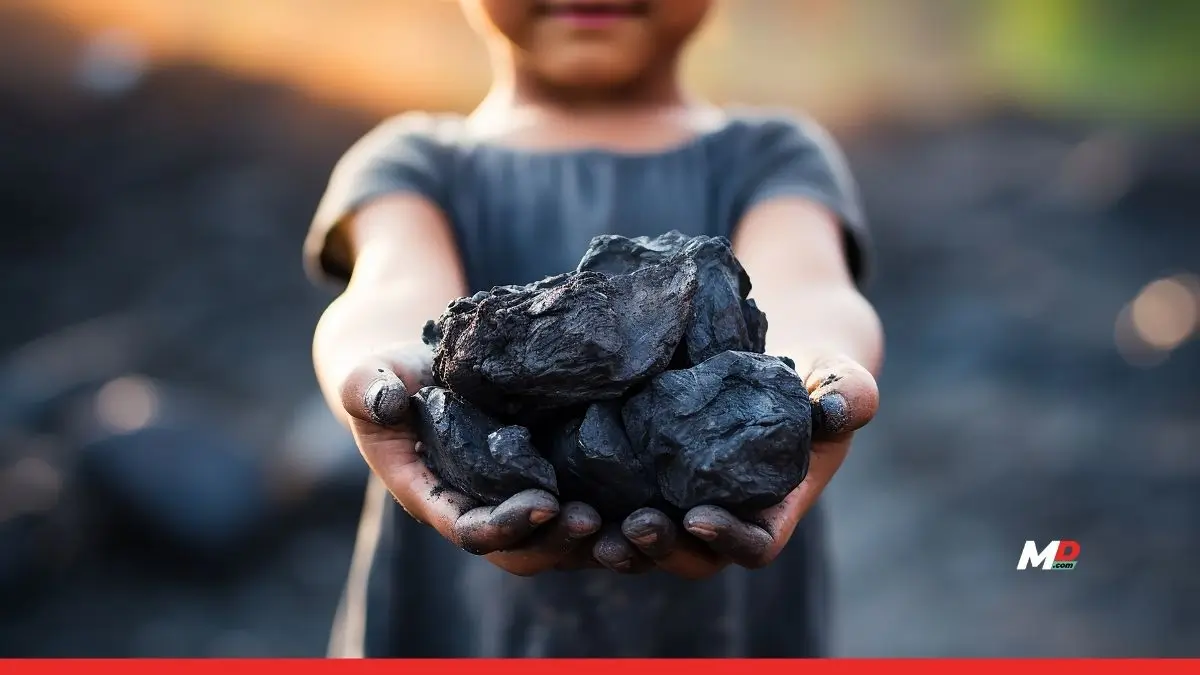
India’s complicated love affair with coal is no secret. As the world’s third-largest carbon emitter, the country is under immense pressure—both domestic and global—to reduce its carbon footprint. Yet coal remains the cornerstone of India’s energy matrix, powering over 70% of its electricity generation. The question isn’t whether India can wish away coal—it’s how it can make coal cleaner while pursuing economic growth and energy security.
At a recent event hosted by the Centre for Science and Environment, Ashok Lavasa, a former secretary to key union ministries, captured this nuance aptly: “If coal is king, can it be a benevolent king?” The answer lies not in utopian ideals but in pragmatic solutions that blend energy reliability with environmental responsibility.
Coal’s Staying Power—and Its Environmental Cost
Electricity demand in India is soaring. From 2021 to 2025 alone, it jumped by over 9%, with forecasts suggesting it could double by 2030. Renewable energy is growing too—currently making up 46% of installed capacity—but its intermittency limits its ability to meet peak demand, especially at night.
Thermal power plants offer grid stability and continuous supply, but at a steep environmental cost. More than 40% of India’s annual carbon emissions stem from electricity generation, with coal being the main culprit. While the net-zero target by 2070 remains firm, the route to get there is complicated.
Can We Burn Coal Without Burning the Planet?
The answer may not lie in phasing out coal entirely, but in innovating how it’s used. A recent CSE report suggests decarbonising thermal plants could slash emissions by up to 30%. One proposal includes reducing the minimum operational threshold of these plants from 55%—a level often maintained even when renewable power is available—to lower figures, enabling more dynamic balancing with green sources.
Another option is to increase the use of agricultural residue in place of coal. This has already led to measurable reductions in Delhi and surrounding areas, though adoption elsewhere remains minimal. Technologies that capture carbon dioxide emissions are also being explored but currently capture only about 0.1% of global emissions.
The path to cleaner coal, however, is paved with costs and uncertainties. Upgrading existing infrastructure, adopting new technology, and training operators require substantial capital and policy commitment. And the million-dollar question remains—who pays for all this?
Policy Steps Forward—or a Step Backward?
In a controversial move, India recently exempted 78% of its thermal power plants from installing flue gas desulphurisation (FGD) systems, which are vital for controlling sulphur dioxide (SO₂) emissions. These emissions contribute to fine particulate matter, which causes respiratory and cardiovascular diseases. The Ministry’s rationale is based on low current SO₂ levels and the assumption that Indian coal has lower sulphur content.
Experts argue otherwise. Studies show that thermal plants can impact air quality up to 200 kilometers away, and simply using taller chimneys disperses pollutants without eliminating them. With just 8% of plants having installed FGD units so far, this rollback of environmental safeguards could affect millions.
A Glimmer of Strategic Innovation
There is a silver lining. The government is exploring the conversion of 10 retired thermal power plants into nuclear power stations. These sites already have much of the necessary infrastructure and offer a low-carbon pathway to help meet India’s goal of 100 GW nuclear capacity by 2047. If implemented carefully—keeping in mind seismic stability, water access, and population proximity—this could be a transformative step.
India’s journey toward a cleaner energy future is not a linear one. Coal will remain part of the equation for decades to come. But it’s what India does in the meantime—how it makes coal cleaner, invests in energy storage, balances grid stability, and builds trust with its people and the planet—that will define its leadership in the energy transition.
The king isn’t going anywhere just yet. But with the right reforms, it just might learn to rule with a lighter, greener touch.