For India’s upwardly mobile urban middle class, the UAE’s supposed new Golden Visa scheme worth just Rs 23 lakh was a dream come true. Headlines earlier this week claimed the Emirates had unveiled a Golden Visa pathway for as low as AED 100,000 (approximately Rs 23 lakh), far cheaper than the earlier investment thresholds of AED 2 million (about Rs 4.5 crore). But within hours, the story turned to dust.
The UAE government swiftly clarified that there was no such offering. Social media was awash with posts mourning yet another broken aspiration. The Consulate General of India in Dubai officially tweeted, “It has come to our notice that some news is circulating regarding the availability of UAE Golden Visa for AED 100,000. It is clarified that this information is incorrect.”
For millions of Indians dreaming of a better life abroad – especially in the Gulf, where cultural familiarity meets tax-free salaries – this clarification was a rude awakening. Many WhatsApp groups and Telegram investor channels had shared the news enthusiastically, labelling it as a “game changer for global mobility”. The narrative was simple: invest Rs 23 lakh and unlock the doors to Dubai’s glamorous lifestyle, stable governance, and perceived “first-world” living standards, without giving up Indian citizenship.
But the truth remains that the UAE’s actual Golden Visa eligibility criteria are far more stringent. Investors must commit AED 2 million in real estate or other qualifying assets, or meet the requirements under specialised categories such as outstanding professionals, entrepreneurs, scientists, or top students.
The emotional fallout was swift. Delhi-based architect Neeraj Puri shared on LinkedIn, “Was preparing documents since morning. Back to reality now.” Mumbai HR executive Roshni Iyer wrote, “23 lakh is a car in Mumbai. If it were true, we could finally have a life in Dubai. But of course, it’s fake.”
Dubai-based financial advisor Sahil Mehta explained to disappointed applicants, “Unfortunately, misinformation spreads faster than truth. There are no shortcuts. The UAE has attractive residency options but they remain premium offerings. If any new scheme emerges, it is always officially announced on government portals.”
Why did this rumour resonate so deeply with urban Indians?
Firstly, the post-pandemic years have sparked an intense desire for mobility and alternate residency. Henley & Partners’ Wealth Migration Report 2024 estimated that nearly 6,500 Indian millionaires would migrate overseas this year, driven by aspirations of better education for children, cleaner environments, and diversified tax exposure. Even for those not ultra-rich, the idea of a mid-range Golden Visa created hope for a more achievable route.
Secondly, the domestic economic mood has been marked by anxiety over stagnant salaries, high property prices, and social rigidity. The UAE – with its open economy, cosmopolitan workforce, and proximity to India – seemed like the perfect escape valve for the pressures of urban Indian life.
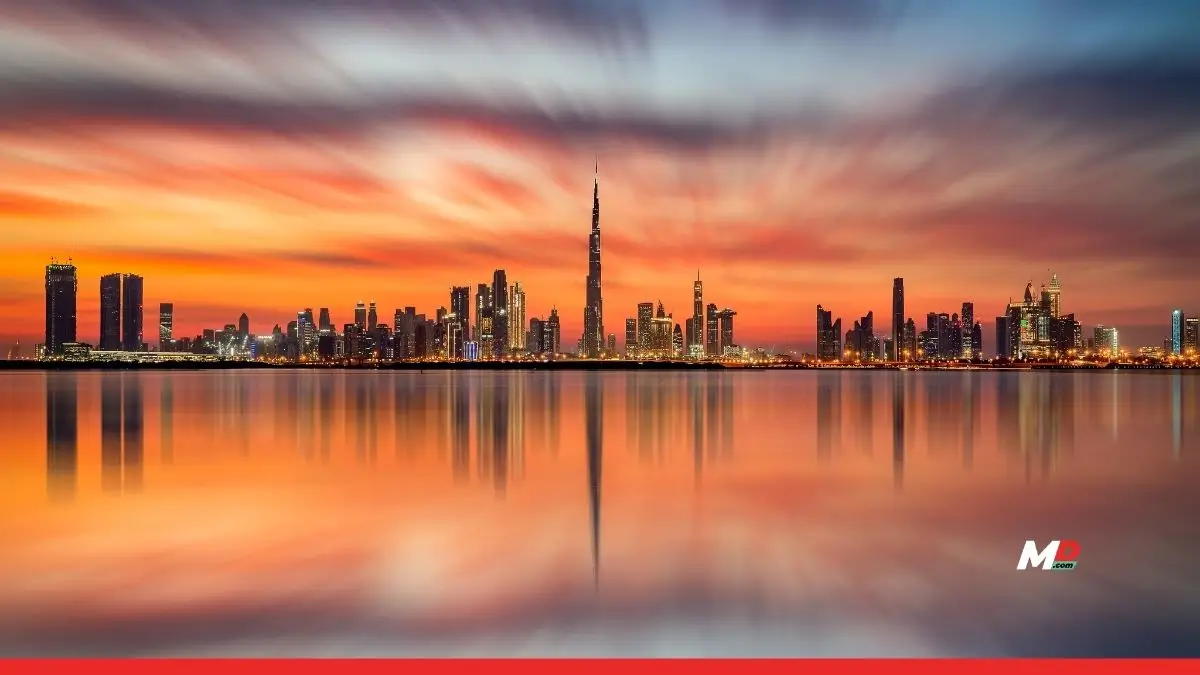
Thirdly, Dubai itself has spent years cultivating an aspirational sheen for Indians. From Shah Rukh Khan’s gleaming Dubai Tourism ads to influencers posting panoramic Burj Khalifa views, the city has embedded itself in India’s urban consciousness as an attainable utopia. For middle managers, SME owners, startup founders, and professionals, Dubai is a promise of high-standard living minus the cultural alienation that Europe or North America can bring.
The psychological whiplash of learning that the Rs 23 lakh Golden Visa was fake was intense precisely because the dream felt so close. Real estate agents, immigration advisors, and financial planners saw a flurry of calls on Monday, followed by hushed disappointment on Tuesday.
Veteran UAE-based journalist Ashish Mehta summarised the episode aptly: “People want to believe that life-changing opportunities can come cheap. But immigration frameworks are designed for the benefit of the host country, not just the applicant. There’s no discount on dreams.”
For now, the mirage has faded, leaving behind a sobering lesson. For India’s urban middle class, global mobility remains a tantalising but expensive prospect. The UAE continues to welcome talent and investment, but the doors remain open only to those who can meet its premium thresholds. As always, due diligence and official confirmation remain the first step towards any cross-border aspiration.