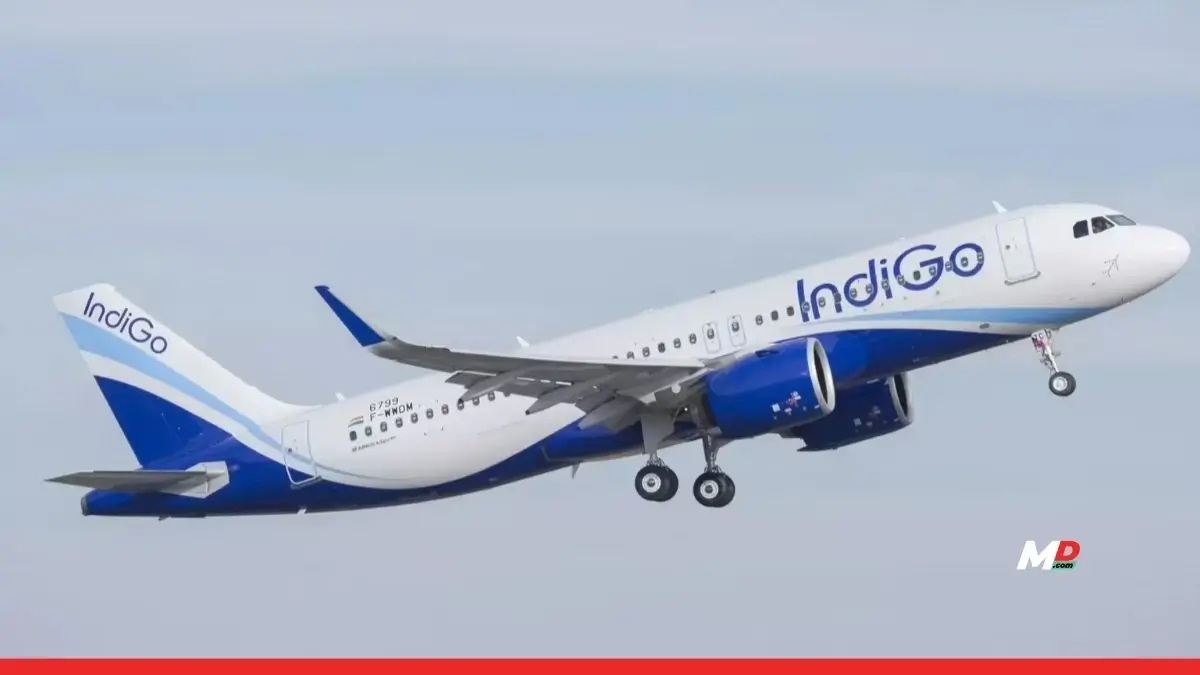
On the evening of July 16, 2025, 191 passengers aboard IndiGo flight 6E 6271 found themselves facing an unnerving reality—an engine snag mid-flight. En route from New Delhi to Goa, the Airbus A320neo was cruising when the pilots detected a technical issue with one of its engines. Rather than panic, the flight crew responded with speed, clarity, and professionalism, demonstrating the immense value of well-drilled emergency protocols.
Issuing a “PAN PAN PAN” call—used to signify an urgent but non-life-threatening situation—the pilots rerouted the aircraft to Mumbai’s Chhatrapati Shivaji Maharaj International Airport (CSMIA). The decision to divert was not just correct but timely. Within minutes, airport emergency services were mobilized. A full emergency was declared at 9:35 pm, just 23 minutes before the aircraft landed safely at 9:53 pm.
The efficient response and seamless coordination between the flight crew and ground staff ensured that passengers were safe, calm, and unharmed. The emergency was officially stood down at 9:57 pm.
A Reassuring Future in the Skies
IndiGo has confirmed that the aircraft will undergo thorough inspection before returning to service. Passengers were provided alternate arrangements to Goa, and the airline issued a statement expressing regret for the inconvenience. While apologies are customary, this was more than that—it was a reflection of accountability.
As airlines across the globe continue to rebuild and expand in a post-pandemic travel surge, reliability and transparency will remain paramount. For IndiGo, this incident was not just a test of engineering resilience but a measure of operational ethics. They passed.
Let this episode serve as a quiet but firm reminder to passengers and industry watchers alike: perfection in aviation doesn’t mean nothing ever goes wrong—it means knowing exactly what to do when it does.