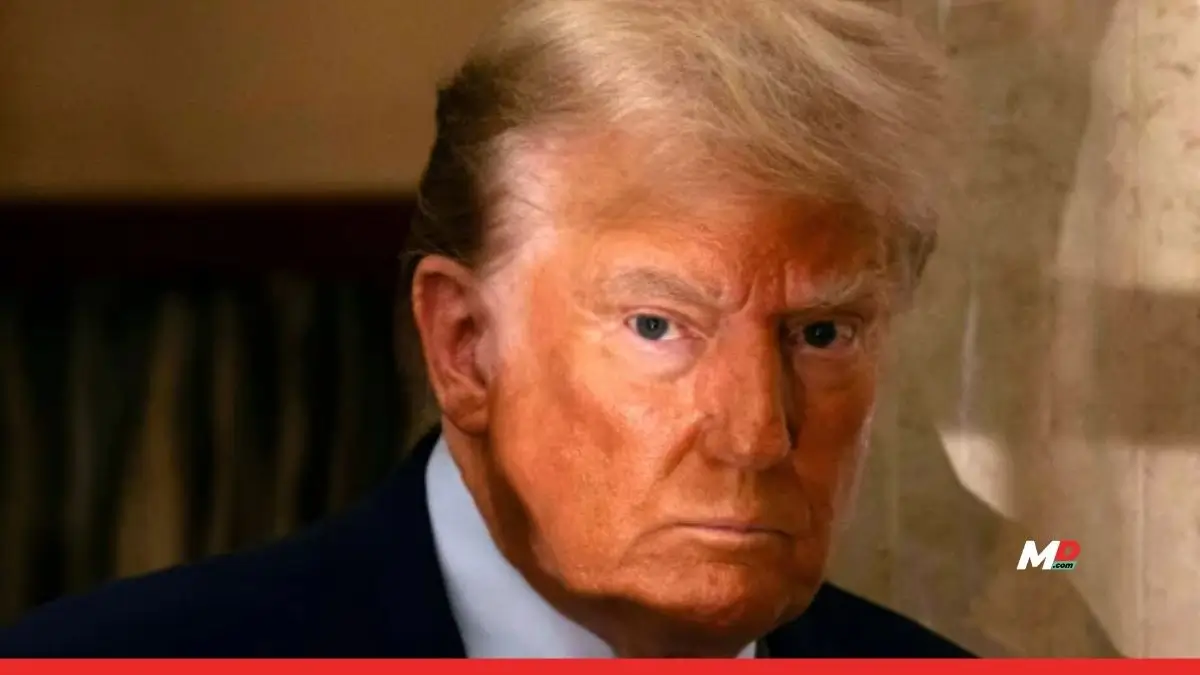
With a fresh list of tariff hikes targeting 14 countries, US President Donald Trump has sent another loud and clear message: the era of trade diplomacy, as he sees it, is transactional and tactical. The new wave of tariffs—some as high as 40%—could have far-reaching consequences, not just for the targeted economies but for a global system already grappling with fragmentation.
While Trump framed the tariffs as leverage for better deals, this is not just another chapter in a high-stakes negotiation—it’s a hardball strategy that puts long-term economic stability at risk.
A Familiar Playbook, Escalated
This isn’t Trump’s first dance with protectionism. During his first term, he rattled allies and adversaries alike with sweeping tariffs on China, the EU, and even Canada and Mexico. Now, with Myanmar, Laos, and Thailand facing up to 40% duties, Trump is showing no signs of restraint. Interestingly, these new tariffs do not replace earlier sector-specific duties on steel or automobiles. They stack on top, leading to potential cumulative rates of 50% in some sectors like Japanese autos.
What’s different this time is the breadth of countries included—many of them US allies. Japan, South Korea, Malaysia, and even South Africa are on the receiving end of penalties previously threatened but now formalized. Trump’s tone remains bullish, but the room for negotiation, as he hinted, still exists. “Maybe adjust a little bit,” he said, leaving the door ajar for countries willing to concede more.
Diplomacy by Deadline
At the heart of this new tariff regime is a ticking clock. Trump’s August 1 deadline to strike deals is not “100 per cent firm,” he admitted, yet he emphasized that failing to engage could leave nations facing long-term consequences. Only two countries—Britain and Vietnam—have reached agreements. India may soon follow. For the others, Trump has made his strategy clear: “We just send them a letter.”
These “letters,” shared publicly on his Truth Social platform, aren’t merely administrative notices—they are geopolitical messages. They communicate urgency, dominance, and a willingness to decouple economically if countries don’t play ball.
The letters also serve another purpose: domestic political positioning. As Trump ramps up his 2024 campaign, he’s betting that a tough stance on trade will resonate with key voter blocs disillusioned by globalization and job outsourcing.
Allies Caught in the Crossfire
There is a strategic irony in penalizing countries like Japan and South Korea—nations that have long been cornerstones of US foreign policy in Asia. Trump’s tariff-for-tariff threat (“whatever the number you raise… will be added onto the 25 per cent”) sounds less like negotiation and more like a brawl. This tit-for-tat posture risks not only economic damage but diplomatic fallout, potentially weakening alliances at a moment of growing geopolitical complexity.
Meanwhile, countries like Cambodia, Bangladesh, and Serbia—often seen as manufacturing hubs in US supply chains—now face uncertainty. For them, the ripple effects of high tariffs could range from slowed exports to job losses at home. In the longer term, US companies depending on low-cost imports from these nations will feel the squeeze, possibly passing on higher costs to consumers.
High Risk, Low Clarity
Despite Trump’s framing of the tariffs as an economic renaissance for America, the evidence suggests caution. Financial markets have already shown jitters. Negotiations with many of these countries have stalled. And while Trump touts the potential of “reciprocal tariffs” to level the playing field, the ambiguity around how and when these duties would be lifted leaves little room for predictable policymaking.
For businesses, this means difficult decisions ahead—relocating supply chains, rethinking sourcing, and preparing for compliance risks. For policymakers, it means managing the fallout while balancing domestic and international interests. The global economy, still recovering from inflationary shocks and war-driven disruptions, can ill afford another layer of uncertainty.