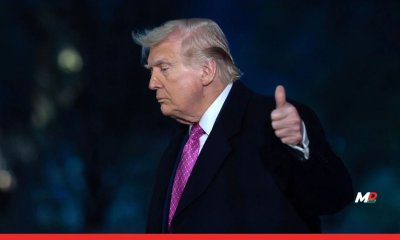
The era of strategic ambiguity for India’s energy policy may be drawing to a definitive, expensive close. In a move that threatens to redraw the lines of global trade, President Donald Trump has given his approval to the “Sanctioning Russia Act of 2025,” a bipartisan bill that could slap a staggering 500 percent tariff on goods from countries that continue to purchase Russian oil. For New Delhi, Beijing, and Brasília, the message from the White House is blunt: the discount on Ural crude is about to become the most expensive surcharge in history.
Senator Lindsey Graham, a long-time hawk on Russia and a close ally of the President, emerged from a meeting with Trump this week to announce the development. Graham stated that the President had “greenlit” the legislation, effectively weaponizing the massive American consumer market to choke off Vladimir Putin’s war chest.
The bill, co-sponsored by Democrat Richard Blumenthal, is expected to head for a vote as early as next week. Its mechanism is as simple as it is devastating. It mandates that the US administration impose duties of at least 500 percent on all imports from nations that “knowingly” engage in the purchase of Russian energy or uranium.
The timing is surgically precise. While peace negotiations between Kyiv and Moscow are reportedly gaining traction, with Ukraine offering concessions, Washington appears intent on ensuring the Kremlin negotiates from a position of financial ruin.
Senator Graham was explicit about the targets, naming India, China, and Brazil as the primary nations providing the “financing for Putin’s bloodbath” through their energy purchases. He described the legislation as giving President Trump “tremendous leverage” to incentivize these nations to sever ties with Moscow’s energy sector.
For India, this escalation transforms a trade irritant into an existential economic threat. The bilateral trade relationship has already been fraying since August 2025, when the Trump administration imposed tariffs ranging from 25 to 50 percent on Indian goods, citing the same grievance. Those duties have already hit Indian textiles, gems, and jewelry hard. A jump to 500 percent would essentially amount to a trade embargo, rendering Indian exports uncompetitive in their largest market.
The geopolitical irony is stark. For years, New Delhi has balanced its strategic partnership with Washington against its historical defense and energy ties with Moscow. The Ministry of External Affairs has consistently defended its oil purchases as a pragmatic move to stabilize domestic prices and, by extension, global markets.
However, President Trump’s latest maneuver suggests that Washington is no longer willing to subsidize this balancing act. Trump recently remarked that Prime Minister Narendra Modi “was not happy” with the existing tariffs but claimed India was already reducing its Russian oil intake to appease the US—a claim New Delhi has officially denied but which trade data partially supports.
If passed, this act would force the Indian government into a binary choice that it has long sought to avoid. It can continue to prioritize energy security through cheap Russian crude and risk the annihilation of its export sector, or it can align fully with Western sanctions and face the economic shock of higher energy prices. The “greenlight” from the Oval Office signals that the time for nuanced diplomacy is over. The US is moving from persuasion to punishment, and the cost of non-compliance is set at 500 percent.