The Indian ride-hailing battlefield just welcomed a heavyweight combatant. The Jindal Group has officially entered the urban mobility fray with Trevel, a premium electric cab service designed to capture the high-value segment of city travel. This move comes at a strategic moment when the market is splintering into specialized niches, moving away from the one-size-fits-all aggregation model that defined the last decade.
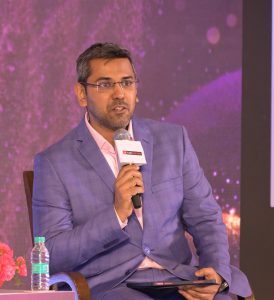
Sahil Jindal, Managing Director of the Jindal Group, announced the launch of Trevel to address the glaring reliability gaps in the current ecosystem. The service has commenced operations in Delhi NCR with a fleet of MG Windsor electric vehicles, albeit in limited numbers.
Unlike the dominant aggregators that rely on gig workers and fluctuating supply, Trevel employs a fleet-led model. This allows for tighter control over service quality, ensuring that the car you book is the car that arrives. The company is currently focusing on pre-booked city rides and airport transfers, offering fixed pricing to eliminate the anxiety of surge charges.
This entry is particularly timed to capitalize on the void left by BluSmart in certain premium pockets. While BluSmart struggled with the heavy capital requirements of scaling an asset-heavy model, Trevel appears to be leveraging the Jindal Group’s deep pockets and corporate synergies to build a sustainable operation. They are not trying to be everything to everyone immediately. Instead, they are carving out a slice of the market where customers value punctuality and comfort over the absolute lowest price.
Meanwhile, the broader market is witnessing a fascinating upheaval. Rapido has fundamentally rewritten the rules of engagement. Once dismissed as a niche bike-taxi operator, the Bengaluru-based company has surged past Uber and Ola to become the largest ride-hailing platform in India by active user base. Their strategy was to flip the traditional playbook. Instead of starting with cars in metros, they conquered Tier 2 and Tier 3 cities with two-wheelers. Now, they are using that massive user base to expand into the cab segment, effectively flanking the incumbents.
Uber is not sitting idle. The global giant has recognized that the battle for India cannot be won solely with sedans. They are aggressively expanding their two-wheeler and three-wheeler offerings to counter Rapido’s dominance. At the same time, Uber is doubling down on its premium “Uber Black” service, deploying high-end vehicles like the Toyota Hyryder and MG ZS EV to retain the corporate clientele that might be tempted by newcomers like Trevel.
Then there is the tortoise in this high-speed race: Shoffr. Operating primarily in Bengaluru, Shoffr has eschewed the burn-and-grow mentality for a slow, profitable expansion. Co-founder Vikas Bardia has been vocal about their focus on unit economics. With a fleet of luxury electric BYD e6 cars, Shoffr aims to become the gold standard for airport transfers. They offer amenities like water and mints, pet-friendly rides, and a strict no-cancellation policy. Their asset utilization stands at an impressive 75 percent, proving that a focus on quality and efficiency can yield a sustainable business model even in a hyper-competitive market.
The entry of Jindal’s Trevel signals that the Indian mobility market is maturing. It is no longer just a duopoly fighting for dominance through subsidies. It has evolved into a complex ecosystem where distinct players like Rapido, Uber, Shoffr, and now Trevel are catering to different consumer needs, from affordable last-mile connectivity to luxurious, reliable airport commutes.