Environment
Anger in Paradise as Goa battles against ecological destruction

“Don’t it always seem to go
That you don’t know what you’ve got
Till it’s gone
They paved paradise
And put up a parking lot”
Joni Mitchell’s words couldn’t be more prescient today, as a wanton disregard for the environment seems to be taking root. Goa is the latest playground for this tug of war.
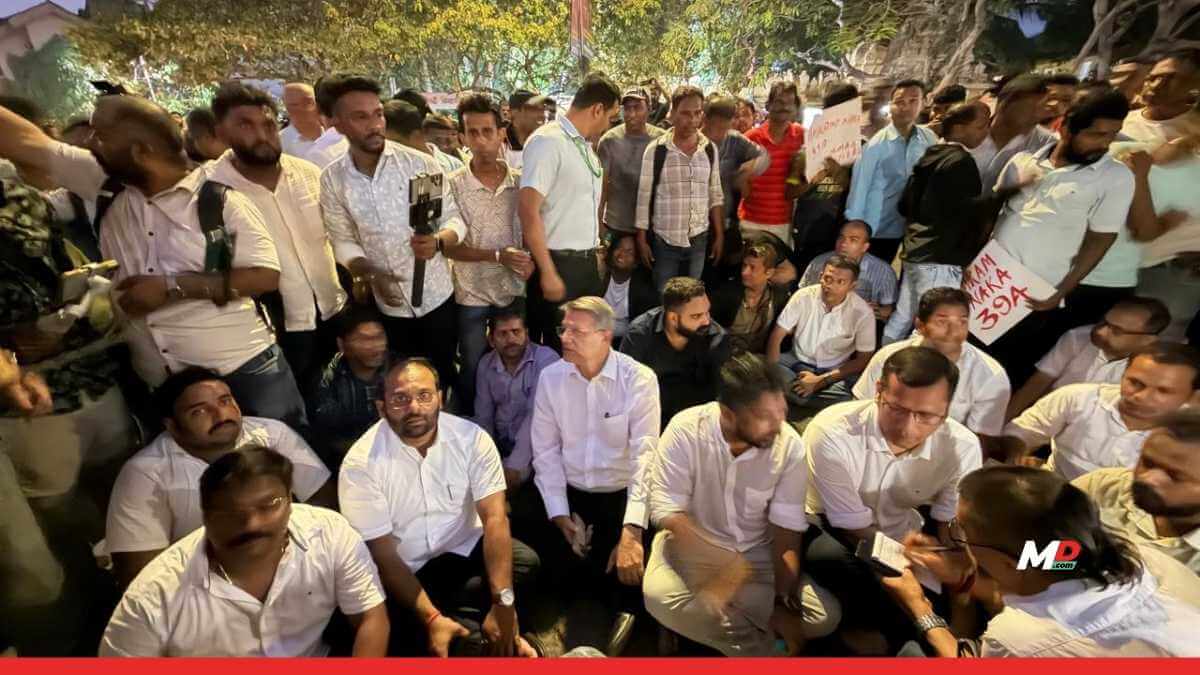
The coastal state of Goa is roiled by protests, with a visible tension between rapid developmental aspirations and the preservation of its ecological and cultural identity. At the heart of this friction is the controversial Section 39A of the Goa Town and Country Planning Act, a legislative tool that has ignited widespread protests across the palm-fringed landscape. This amendment allows for the conversion of land use in the Regional Plan and Outline Development Plans, a move that critics argue bypasses traditional democratic oversight and environmental safeguards. For the residents of Goa, this is not merely a bureaucratic disagreement but a fight for the soul of their homeland.
Also read: Urban Sustainability: Jakarta and Mumbai’s Megacity Reality
The introduction of Section 39A has been met with fierce resistance from civil society groups, environmentalists, and local village committees. The primary concern is that the amendment facilitates ad-hoc changes to land zoning, potentially turning ecologically sensitive zones, heritage areas, and agricultural belts into concrete developments.
Opponents claim that such powers lead to unplanned urbanization that the state’s fragile infrastructure cannot support. The strategic shift toward centralized control over land use has sidelined local panchayats, which historically held a significant say in how their villages evolved. This perceived erosion of local autonomy is a driving force behind the gatherings at Azad Maidan and the passionate rallies in various talukas.
Simultaneously, a more localized but equally spirited battle is unfolding in the capital city of Panjim. Residents have hit the streets to oppose the introduction of a new offshore casino ship in the Mandovi River. For years, the Mandovi has been the docking point for several floating casinos, a sight that has become synonymous with the state’s tourism image but a point of contention for those living nearby. The prospect of an additional vessel has pushed the local community to a breaking point. Protesters cite increased traffic congestion, waste management failures, and the socio-cultural impact of a burgeoning gambling industry as primary reasons for their defiance.
The Panjim residents argue that the river is already overburdened. The Mandovi is a vital waterway, and the presence of massive, brightly lit vessels affects the movement of traditional fishermen and the health of the aquatic ecosystem. There is a growing sense that the city’s heritage and the river’s natural beauty are being sacrificed for immediate commercial gain. The sight of citizens forming human chains and holding placards against the backdrop of the river reflects a deep-seated exhaustion with the “development at any cost” model.
Strategic planning in a tourism-dependent state like Goa requires a delicate balance. While the government emphasizes the need for modern infrastructure and revenue-generating projects to keep the economy afloat, the pushback suggests a disconnect between policy and the people’s vision for their future. The outcry against Section 39A and the new casino ship highlights a demand for transparency and a return to community-led planning. Residents are calling for a Master Plan that respects the unique topography of Goa rather than one that treats the land and water as mere commodities.
As these protests continue to gain momentum, the narrative in Goa is shifting from silent resentment to active participation. The debate over land conversion and river management is a litmus test for the state’s governance. It remains to be seen whether the authorities will pivot toward a more inclusive approach or continue with the current trajectory. What is clear, however, is that the people of Goa are no longer willing to stay quiet while the geography of their lives is rewritten by legislative pens.
And if the state’s planners are not careful, all we’ll be left to sing is how “They took all the trees, and put ’em in a tree museum, and charged the people a dollar and a half just to see ’em.”