

Food
Tel Aviv: The Making of the Vegan Capital of the World

Tel Aviv has many identities, a Mediterranean tech hub, a nightlife powerhouse, a cultural nerve centre but in the last decade, it has earned a title that no one predicted: the vegan capital of the world. In a city where nearly one in ten residents identify as vegan, where restaurants proudly mark plant-based dishes as default, and where conversations about ethics, sustainability, and innovation shape daily choices, veganism is no longer a niche lifestyle. It is the city’s flavour, attitude, and in many ways, its ideology.
The rise of veganism in Tel Aviv is tied closely to the country’s larger social and cultural fabric. Israel has always been a place where debates around ethics, identity, and food run deep. It was in the early 2010s, after a series of viral animal-rights speeches swept through social media, that a dramatic shift began. Young Israelis, especially those in Tel Aviv, found themselves questioning long-held dietary patterns and embracing plant-based choices not as a diet, but as a moral and social awakening.
The movement gained unexpected institutional strength when the army, a central part of Israeli life, introduced vegan meals, synthetic leather boots, and wool-free uniforms. Suddenly, an entire generation of soldiers discovered that veganism was not only accessible but practical. When they returned to civilian life, Tel Aviv absorbed that momentum and amplified it.
What makes Tel Aviv’s vegan scene extraordinary is how seamlessly it blends into everyday life. A walk through Florentin or Rothschild Boulevard shows a city where vegan shawarma stands are packed at midnight, where tiny cafés serve almond-milk cappuccinos without anyone having to request them specifically, and where bakeries display eggless croissants, chocolate babkas, and buttery bourekas made entirely from plant-based fats. Even traditional Middle Eastern staples like hummus, already a local obsession, are reinvented with mushrooms, pine nuts, herbs, and slow-cooked chickpeas to create bowls that feel both ancient and new.
The food, of course, is only the starting point. Tel Aviv has become a global laboratory for food technology, home to dozens of startups experimenting with cultivated meat, precision-fermented dairy, and new protein sources. These innovations often debut quietly in local cafés before they make their way into markets in Europe and North America. This proximity between high-tech research and everyday dining gives Tel Aviv a unique ecosystem: a place where a university lab, a vegan burger joint, and an activist march can all be part of the same cultural loop.
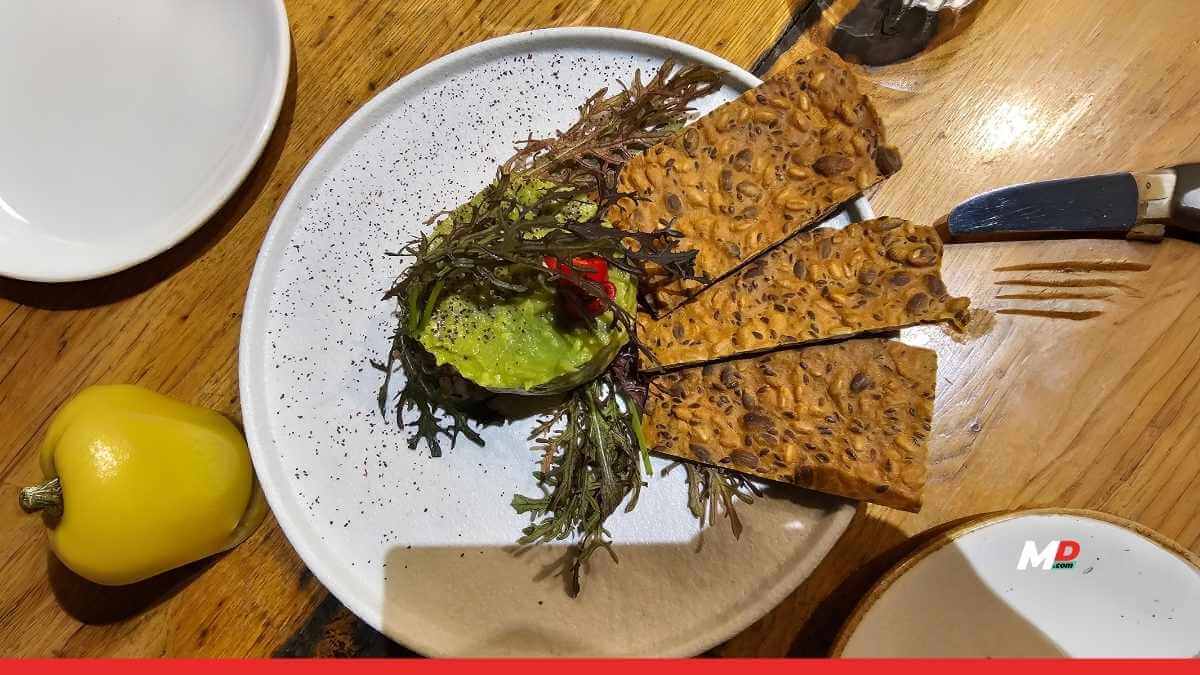
Fine dining in the city takes all this to a different level. Restaurants experiment with roasted sunflower heads in place of bone marrow, create cheeses from cultured nuts, build tasting menus around textures of eggplant, zucchini fermentations, and herb distillations, and treat vegetables with the reverence usually reserved for dry-aged meats. Here, vegan cuisine is not an imitation; it is innovation, expressed through technique, creativity, and Mediterranean abundance.
Despite the awards, the hype, and the Instagram moments, Tel Aviv’s vegan identity is rooted in something deeper: a collective belief in food as a reflection of values. The city hosts some of the world’s largest animal-rights marches, drawing tens of thousands of people. Supermarkets prominently stock vegan cheeses, meats, chocolates, and spreads. Schools and hospitals increasingly serve plant-based meals. And most tellingly, for a traveller or resident, being vegan in Tel Aviv doesn’t feel like opting out of something. It feels like stepping into a culture that has decided to imagine food differently.
The global impact of this shift is undeniable. Tourists arrive specifically to experience Tel Aviv’s vegan food scene. International chefs visit to study its techniques. Sustainability experts cite it as a model of urban plant-based living. And food-tech companies use the city as a launchpad for products that challenge traditional agriculture around the world.
To walk through Tel Aviv today is to witness a city rewriting the future of food not through grand declarations, but through everyday choices made in cafés, markets, kitchens, and labs. It is a place where veganism is woven into identity, lifestyle, technology, and activism. And whether you are a committed vegan, a curious traveller, or someone simply drawn to cultures in transition, Tel Aviv offers a rare glimpse into what plant-based living can look like when an entire city decides to embrace it, refine it, and celebrate it.