

Leadership
“Leadership, at its core, begins with self-leadership”

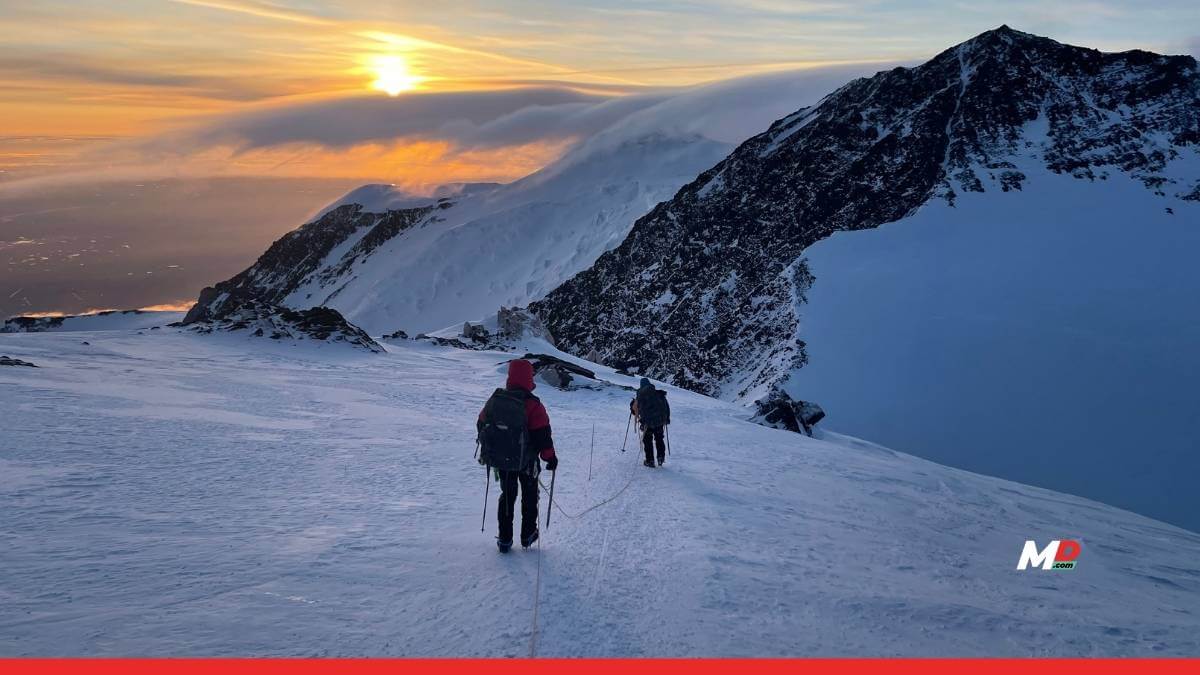
They say that the world is a book, and those who do not travel have read but one page. If that were to be true, Satish Gogineni has read the encyclopedia, and in some ways set out to rewrite it.
A former financial risk professional, Satish now uses his expeditions to promote mental health advocacy (Project Spandana) and instill self-leadership in others. The Hyderabad-born endurance athlete, high-altitude mountaineer, and polar explorer has packed in enough adventure into his life to fill several lifetimes of some.
In this exclusive interaction, he shares the deep mental lessons from his solo, unsupported 51-day ski to the South Pole and reveals that resilience is not heroic but a commitment to small, repetitive wins.
Your South Pole journey was solo and unsupported. What are the key lessons in resilience and mental fortitude that an entrepreneur or corporate leader can apply from enduring 51 days in isolation?
Spending 51 days alone on the Antarctic plateau taught me that resilience isn’t loud or heroic. It is quiet, repetitive, and often uncomfortable. You learn to celebrate very small wins: another mile in a whiteout, another tent pitched in a storm. In isolation, there is no one to motivate you, so you become fully responsible for your mindset every single day.
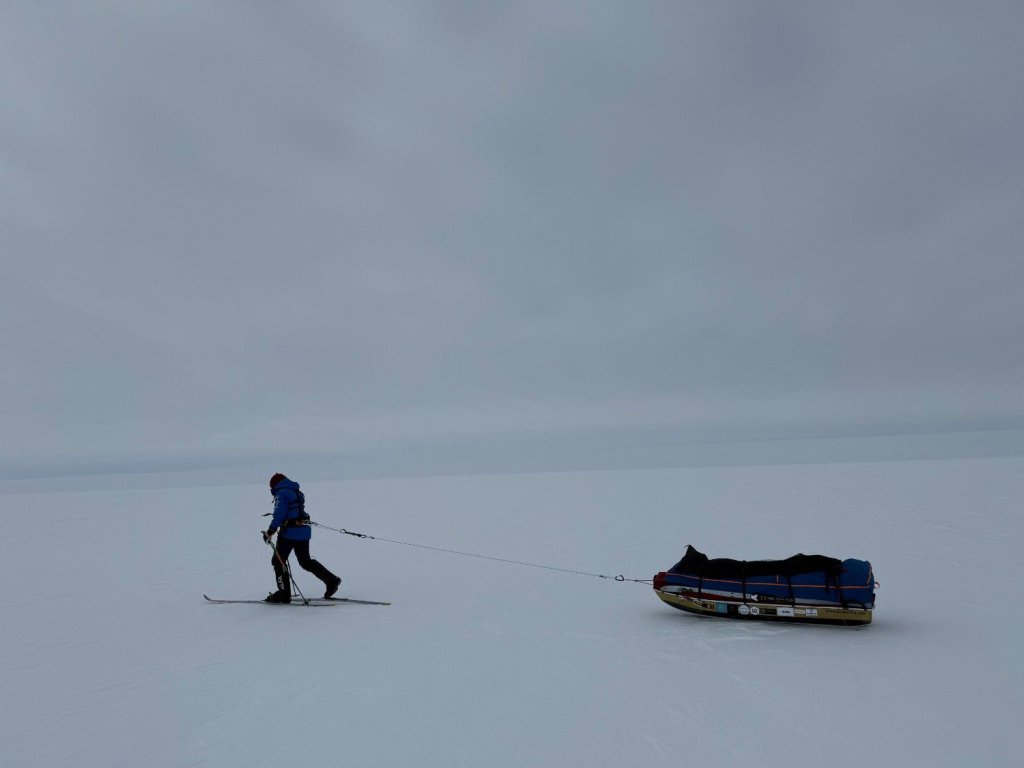
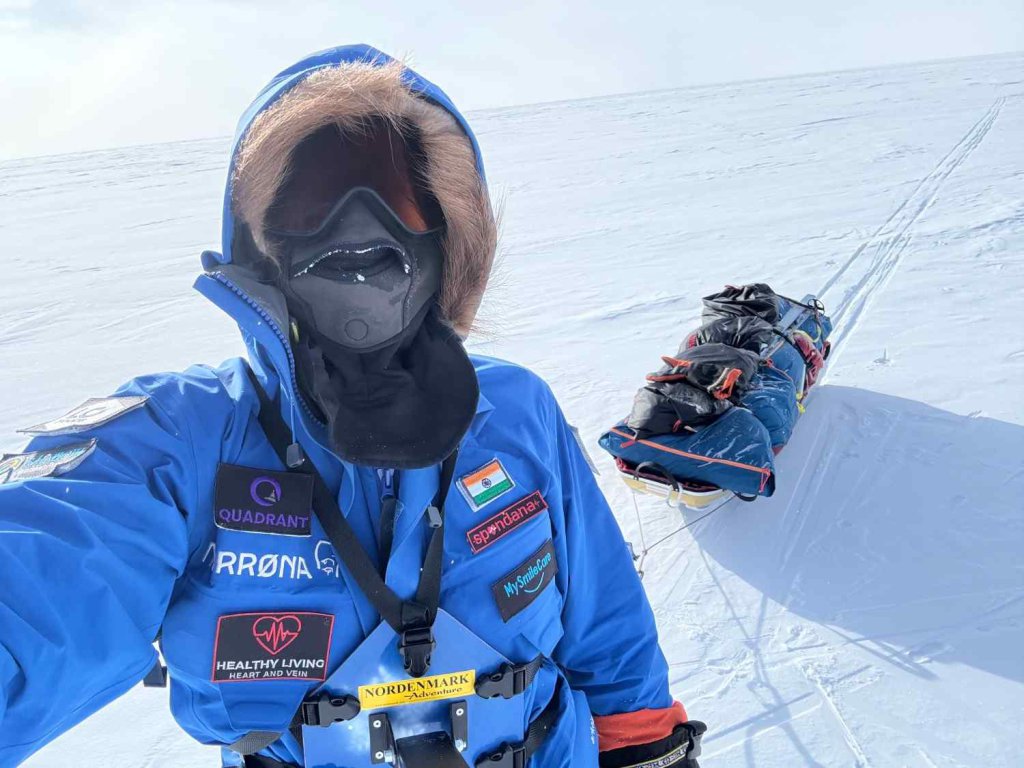
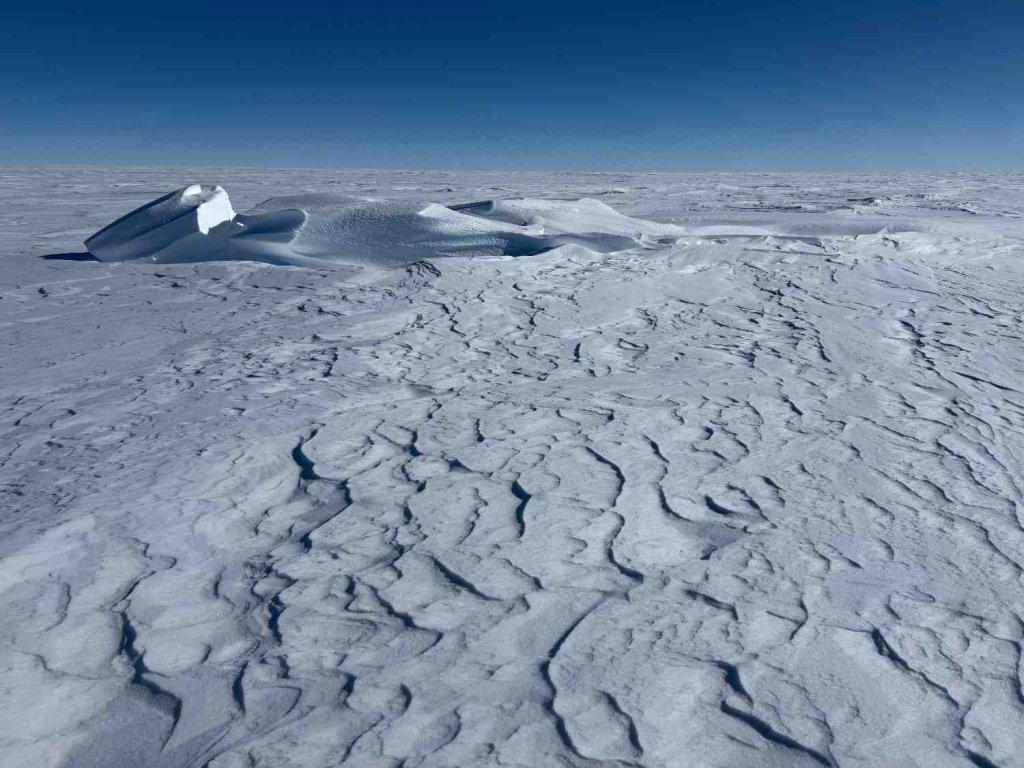
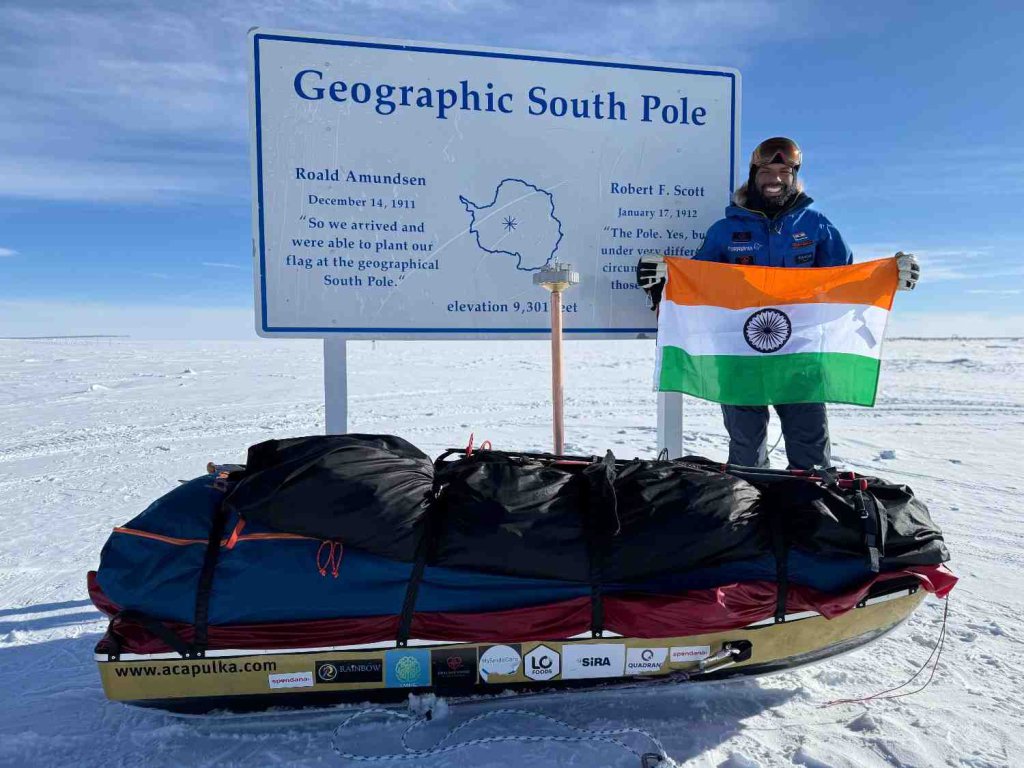
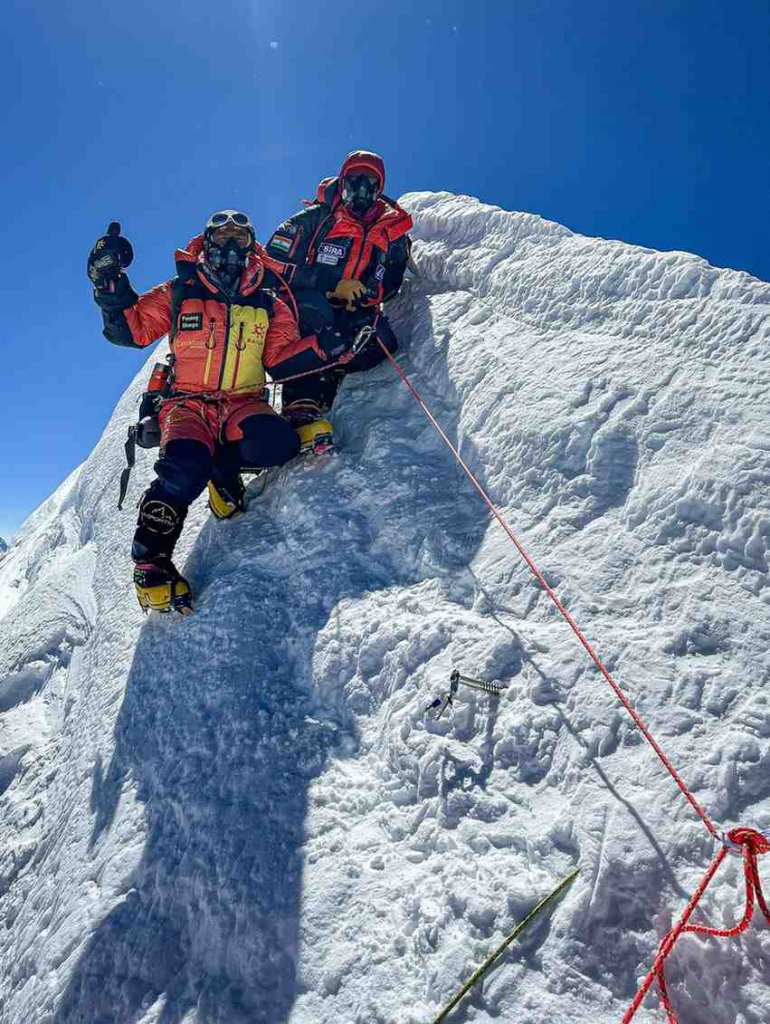
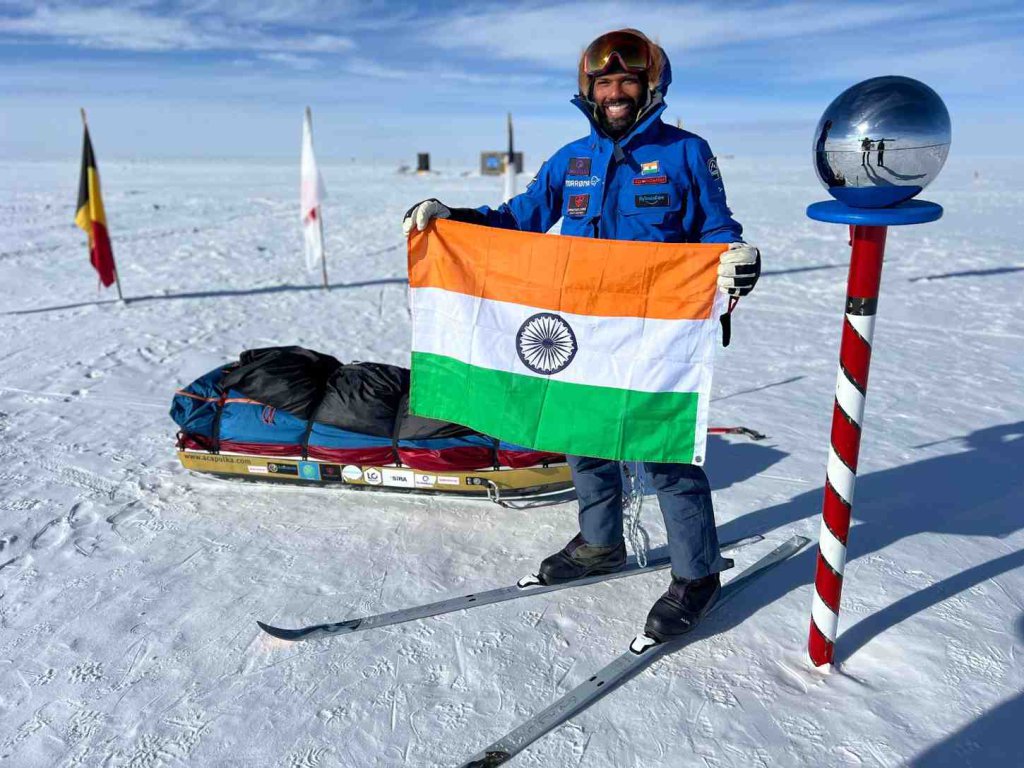
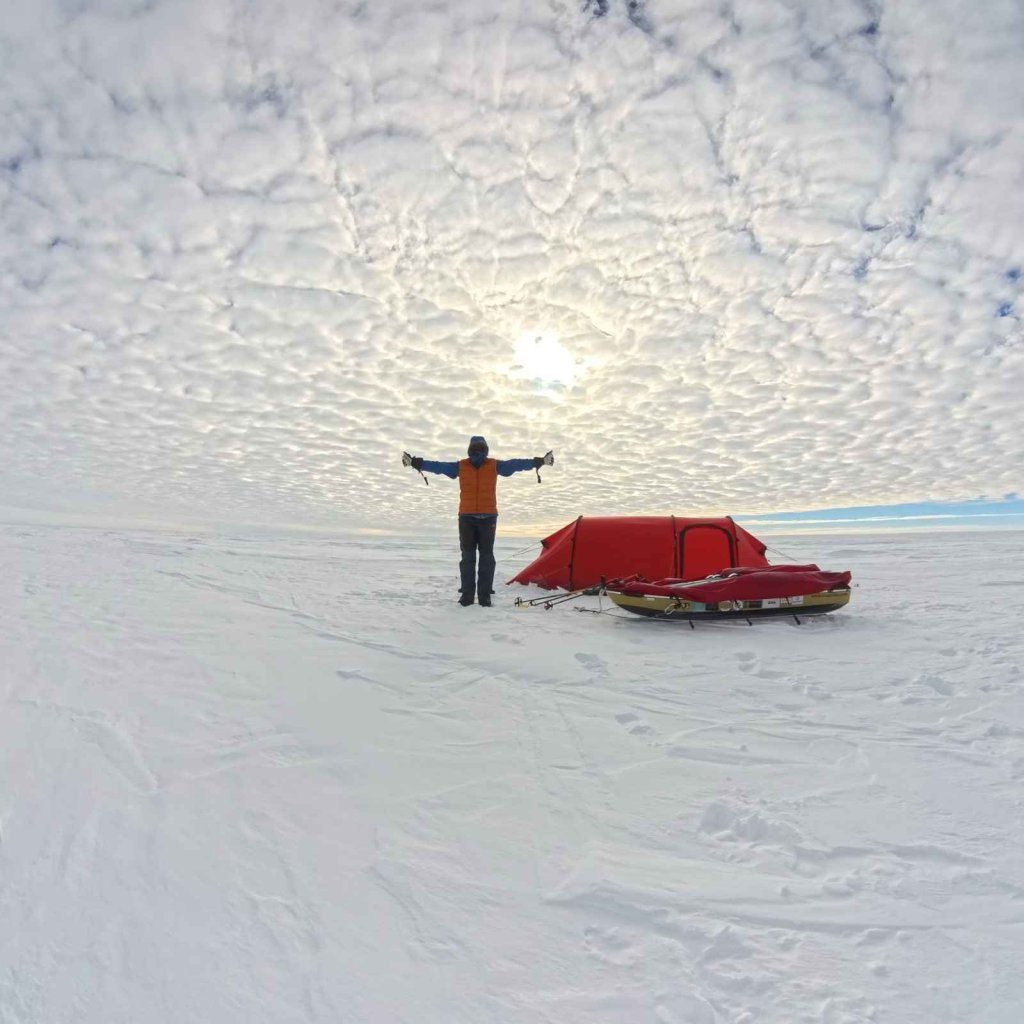
Entrepreneurs and leaders face the same truth – progress happens when you show up consistently, especially when fear, uncertainty, and doubt make quitting feel easier. I learned to focus only on what I could control and let go of everything else. Leadership, at its core, begins with self-leadership.
You stepped away from a career in financial risk management for full-time exploration. What did you learn about risk in the corporate world that prepared you for the calculated risks of high-altitude mountaineering?
Working in financial risk management taught me that risk is never the enemy. It is an unmanaged risk that becomes dangerous. In the mountains, you approach risk the same way you would a volatile market: understand the downside first, build buffers, monitor constantly, and adapt decisions as the situation evolves. It also taught me patience. Big goals aren’t won in one bold move, but in a thousand well-considered choices. Exploration isn’t the opposite of corporate discipline. In my life, one has made the other possible.
Through Project Spandana, you link extreme physical challenges to mental health advocacy. How does pushing human limits in the Arctic actively help break the stigma around mental wellness, especially in Indian communities?
When someone who looks strong from the outside openly admits they needed therapy to survive, it changes the conversation. Project Spandana connects an extreme physical journey with an internal emotional one. I speak about mental health not from theory, but from lived struggle, including losing family members to suicide. For Indian and South Asian communities, where silence is often mistaken for strength, seeing vulnerability at the South Pole or on Everest helps people feel permission to share their own battles. It proves that resilience is not the absence of pain. It is choosing to keep going and choosing to ask for help when you need it.
Expeditions rely on meticulous planning and trusting gear, but things always go wrong. Can you share an example where an unexpected failure on Everest or in Greenland forced you to rely purely on adaptability and leadership instinct?
In Antarctica, in the middle of a long day hauling a 100-kilogram sled, the main buckle on my harness suddenly snapped. That buckle is the only thing connecting you to all your survival gear, and I didn’t have a spare. I pitched my tent right there on the ice, took a moment to reset, and built a replacement system using two carabiners. It wasn’t perfect, but it kept me moving for the remaining weeks. That moment reminded me that in both expeditions and leadership, things will fail without warning — and your ability to stay calm, think creatively, and adapt quickly is what truly keeps you alive and moving forward.
What concrete steps are True North Expeditions taking to actively promote diversity and inclusion and lower the high barriers to entry for Indian and South Asian talent in extreme outdoor sports?
Extreme exploration has had a high barrier for Indians and South Asians, whether cultural, financial, or access-driven. Through True North Expeditions, we are working to change that. We offer scholarship opportunities, mentorship from people who look like them, and partnerships with mental health organizations to make the outdoors more inclusive. The mission is simple: make sure a young Indian athlete sees the mountains and thinks, “someone like me belongs here.” Representation is not a marketing point. It is a doorway.
Lastly, what’s next on the adventure agenda, so to speak?
My focus now is a new solo polar challenge, a record attempt that pushes both physical and emotional limits. Every expedition I take on moving forward will continue to elevate the message that adventure can save lives. If one person chooses therapy or chooses to stay because they heard my story, then every mile and every hardship will have mattered.