

Explainer
What does the Indian Rupee at 90 versus the Dollar mean for you?

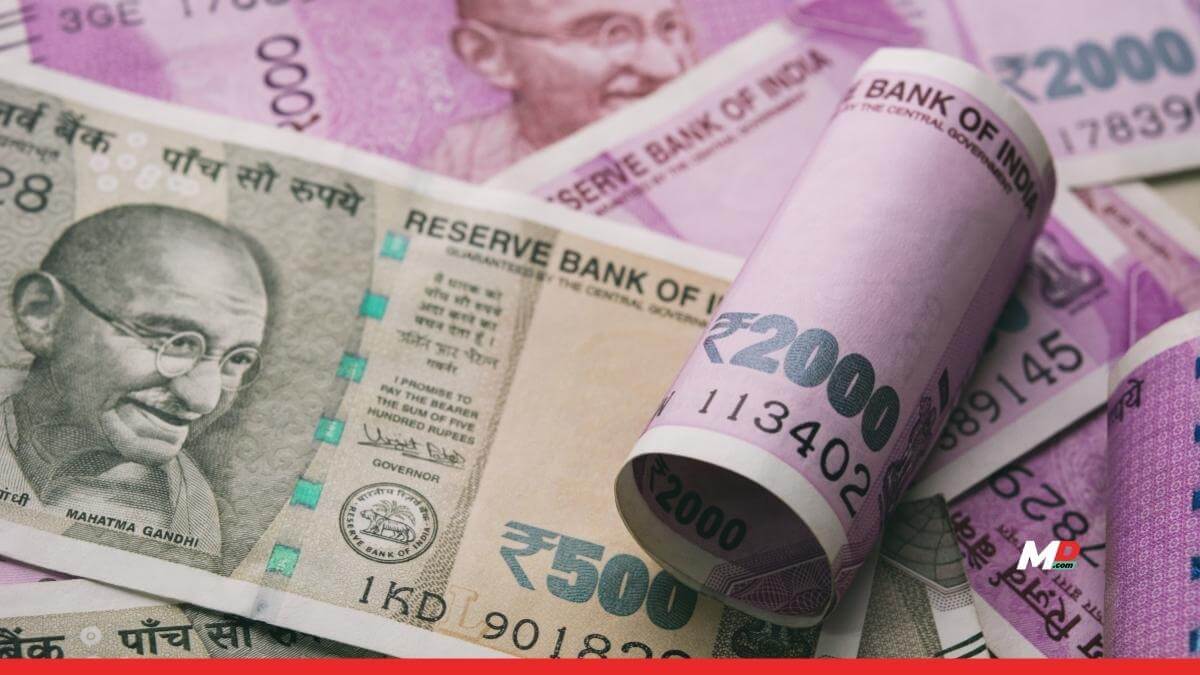
The psychological barrier of the Indian rupee sliding past 90 per US dollar has long loomed over the Indian currency markets like a storm cloud that everyone saw gathering but hoped would dissipate. As this increasingly looks like becoming a reality, the initial reaction from the street has been surprisingly muted. There is no chaotic rush at currency exchange counters or screaming headlines about an economic collapse. Instead, there is a somber acceptance that this depreciation is not a sudden accident, but a gradual alignment with economic gravity.
Financial advisors and market veterans are calling this moment a mirror rather than a crisis. Chartered accountant and financial educator Nitin Kaushik recently noted that the currency did not collapse but rather told us a truth we kept avoiding. This perspective shifts the narrative from panic to introspection. The slide is being viewed as a correction for the years where strong capital inflows and buoyant markets masked deeper structural gaps in the economy.
For the average consumer, however, this macroeconomic “truth” translates into a quieter but more pervasive form of inflation. The impact of a 90-rupee dollar exchange rate is not immediately visible on price tags at the local vegetable market, but it slowly bleeds into the cost of living through global supply chains. This is what economists call imported inflation. It arrives quietly. Items that are intrinsically linked to global trade, such as edible oils, electronics, and even the components inside your smartphone, begin to cost more. When the rupee falls, the price of anything linked to global supply chains begins to climb.
The most direct hit is felt by families with aspirations of sending children abroad for higher education. A depreciation of this magnitude fundamentally alters the math of foreign tuition. A budget that was tight when the rupee was at 83 or 85 versus the dollar becomes unmanageable when that same rate hits 90. The extra five or six rupees per dollar may seem trivial in isolation, but when multiplied by thousands of dollars in fees and living expenses, it represents a massive surge in capital outflow for Indian households.
Corporate India faces its own reckoning. Companies that binged on dollar-denominated loans during periods of currency stability now see their borrowing costs jump instantly. This financial strain often trickles down to the consumer in the form of reduced discounts or higher service fees as businesses attempt to protect their margins. Even exporters, who theoretically benefit from a weaker currency, are finding that their gains are eroded because they must pay significantly more for imported raw materials.
The outlook remains cautious. A report by the Union Bank of India suggests the rupee could fundamentally weaken towards 90 per dollar by March 2026, driven by tariff risks and geopolitical developments. While there is hope that a favorable trade deal with the US could help the currency bounce back to levels around 88, delays in such agreements could see it slip further to 90.5.
Investors are also being forced to recalibrate. The slide serves as a jolt to investor psychology. It signals to global markets that the underlying stability might not be as robust as previously thought. For the domestic investor, it is a reminder that nominal gains in the stock market must always be weighed against the purchasing power of the currency those gains are denominated in.
Ultimately, the rupee sliding to 90 is a signal that economies cannot run on vibes alone. Sustainable stability requires productivity and balanced trade. As Kaushik aptly summarized, if the slip towards 90 helps us acknowledge what we kept ignoring, then maybe it is the reset we needed. Because numbers don’t lie, they only reveal truths in black and white.