

Environment
AAP MLA Saurabh Bharadwaj alleges AQI data manipulation by Delhi Govt

Three out of four households in Delhi NCR are reportedly already experiencing the physical toll of toxic air, grappling with ailments from burning eyes to chronic coughs and disturbed sleep, according to a survey by citizen engagement platform LocalCircles. Yet, as the capital chokes, the crisis is not only in the air but also in the numbers used to measure it. The integrity of the Air Quality Index, a vital public health indicator, has been directly challenged by allegations of desperate manipulation aimed not at clearing the air, but at clearing the spreadsheets of the issue at hand.
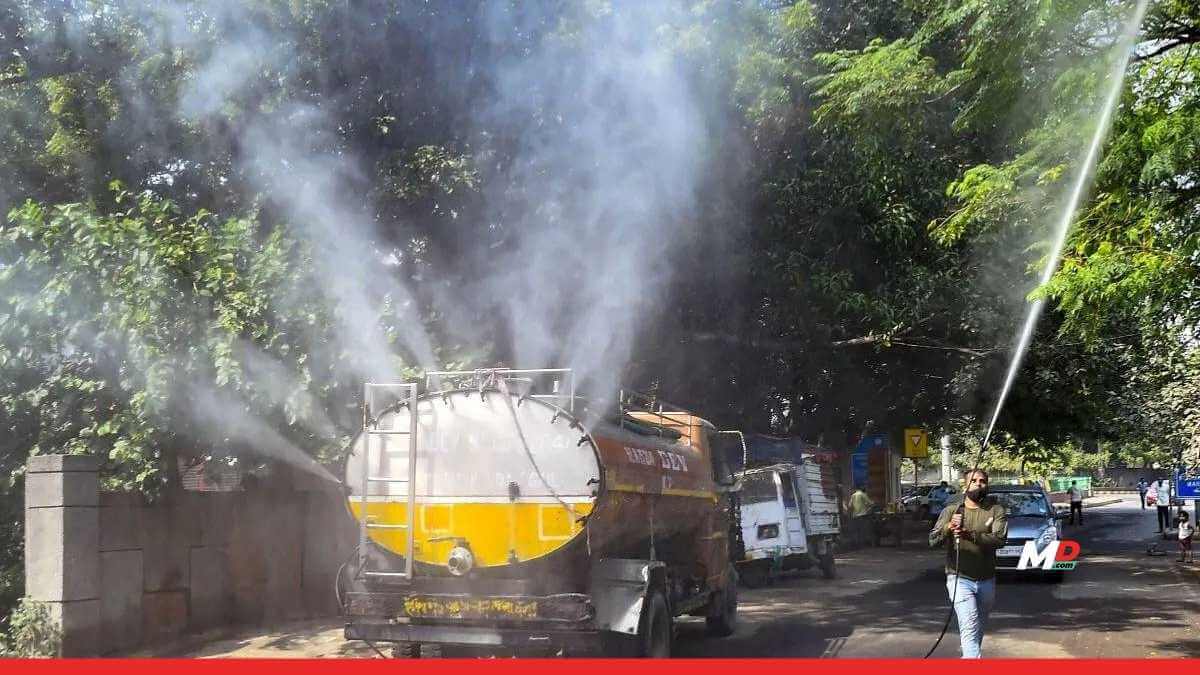
The alarm was raised when Aam Aadmi Party leader Saurabh Bharadwaj shared a video alleging that water was being sprayed near the air pollution measuring machines at the Anand Vihar ISBT station post-Diwali.
The intent, he asserted, was to artificially depress the dangerously high AQI readings, a transparent attempt at data management rather than pollution control. Scientific analysis of the data at that specific station showed a temporary and localized plunge in particulate matter readings, lending credence to the claim that surface wetting was deployed to create a false sense of air quality improvement. This maneuver signals a deeply concerning administrative approach that prioritizes political optics over the transparent disclosure of a public health emergency.
This alleged localized data gaming is compounded by systemic failures in the monitoring infrastructure itself. An investigation by India Today revealed that numerous air quality stations across Delhi feature faulty displays, hidden monitors, or are completely defunct.
Furthermore, analysis of peak pollution periods shows that data from multiple monitoring stations often goes blank precisely when pollution levels surge past hazardous thresholds, a suspicious pattern that critics argue serves to skew the 24 hour average readings downward and fudge numbers. If the measurement systems fail or are actively suppressed when the crisis is at its worst, the official figures presented to the public and to courts are rendered meaningless, deceiving citizens about the actual risk they face.
The manipulation of air quality data is not an isolated incident; it appears to be part of a broader, alarming trend of redefining national metrics to suit administrative narratives. In recent years, India has seen controversial methodological changes in how key economic and social indicators are calculated. The manner in which Gross Domestic Product is measured was significantly changed post 2014, leading to persistent debate among economists about the accuracy and potential overestimation of growth figures. Similarly, the calculation of poverty rates has been criticized for its reliance on sensitive cutoffs that may artificially expedite the claimed reduction in deprivation. Even infrastructure reporting is not immune, with a controversial norm allowing to change the measurement from ‘road km’ to ‘lane km’, allowing numbers to go up significantly.
This systemic practice of statistical engineering, moving from the macro economy down to the micro monitoring of air pollution, represents a profound failure of governance. The consistent redefinition of reality—whether GDP, poverty, or AQI—detracts attention from the urgent need for structural solutions. Delhi NCR households are paying the physical price for this lack of honesty.
The only way to address the severe health crisis caused by toxic air is to end the cycle of data obfuscation and commit to serious, coordinated, and transparent measures to ensure that public figures reflect the lived, gasping reality of the nation’s citizens.