

Technology
5 Takeaways from Apple’s Sleek Fall Event

Apple’s latest fall event was a whirlwind of innovation, ambition, and the occasional eyebrow raise. With its trademark flair for drama and precision, the tech behemoth unveiled a series of hardware upgrades that signal not just incremental changes, but an audacious attempt to redefine user experience in a saturated market. Here are the five biggest announcements from Apple’s “iPhone Air” keynote that had everyone talking.
Meet the iPhone Air
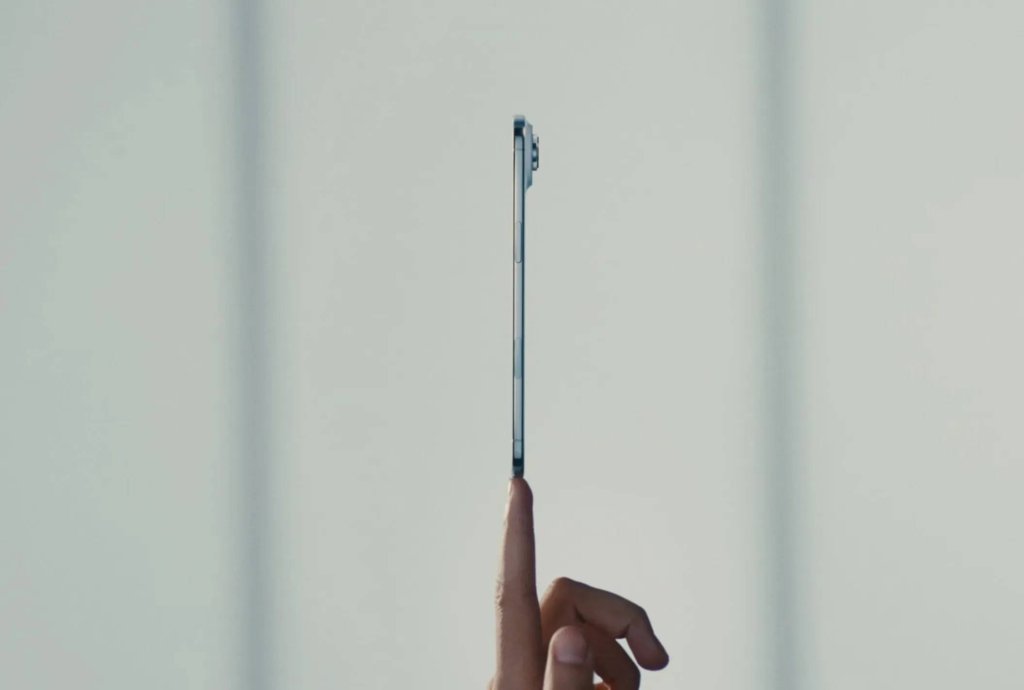
First and foremost was the debut of the iPhone Air, a device that has upended Apple’s naming conventions. Once reserved for ultraportable laptops and iPads, the “Air” brand now graces a smartphone, and it couldn’t come at a more opportune moment.
The iPhone Air measures a wafer-thin 5.6 millimeters, making it Apple’s slimmest phone ever. It’s as if the company decided that consumers wanted their next phone to double as a piece of modern art. Its 6.5-inch ProMotion OLED display offers buttery smooth visuals at up to 120Hz, a long-overdue step that finally brings high refresh rates to more affordable iPhones.
Powering this svelte device is the A19 Pro chip, which Apple boldly claims matches the processing muscle of a MacBook Pro. Coupled with the new N1 chip for wireless connectivity, and a C1X modem that’s twice as fast as its predecessor, the iPhone Air seems poised to handle just about everything short of launching a rocket. But the pièce de résistance is its camera bump — or, as Apple now prefers, the “camera plateau.”
This expanse houses a single-lens Fusion camera that doubles as both an ultrawide and a 2x telephoto lens, complete with an f/1.6 aperture. For selfie enthusiasts, the Air introduces Center Stage, which automatically keeps you in frame and lets you capture multiple crops from a single shot.
The iPhone 17 Comes with Many an Upgrade
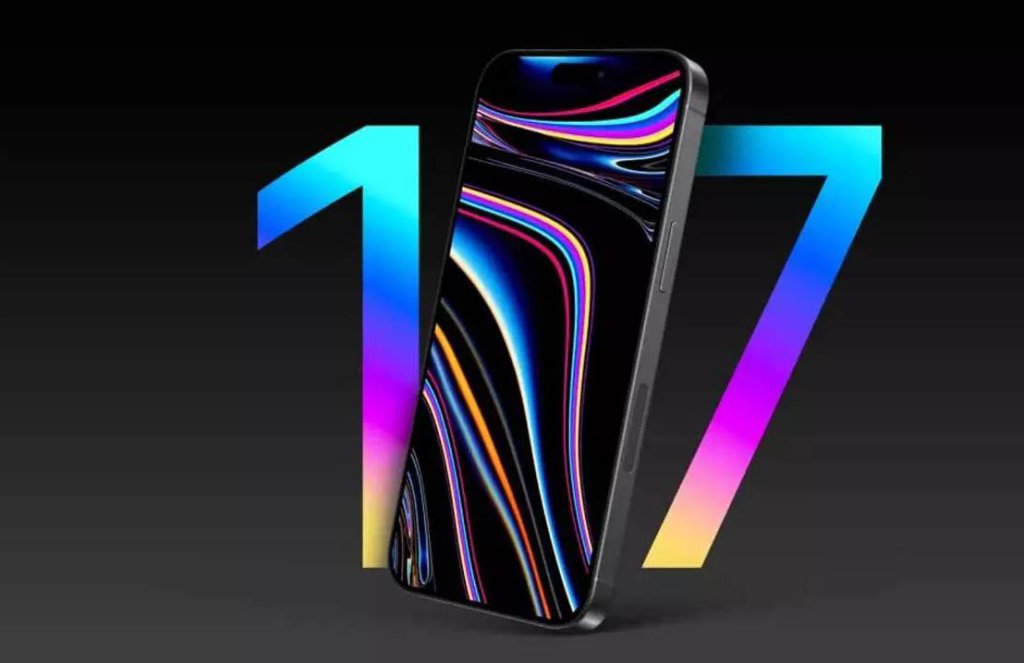
Next up in Apple’s hardware cavalcade was the iPhone 17, which finally crossed the 120Hz threshold previously reserved for the Pro models. Sporting the A19 chip, the iPhone 17 now boasts a dual 48-megapixel camera system, with the main sensor doubling as a macro lens and delivering optical-quality images at a 2x telephoto zoom. The 256GB storage base marks a shift towards higher capacity entry models, acknowledging the growing storage needs of users who shoot video in 4K or hoard apps like digital squirrels.
The iPhone 17 Pro is More Pro than Ever
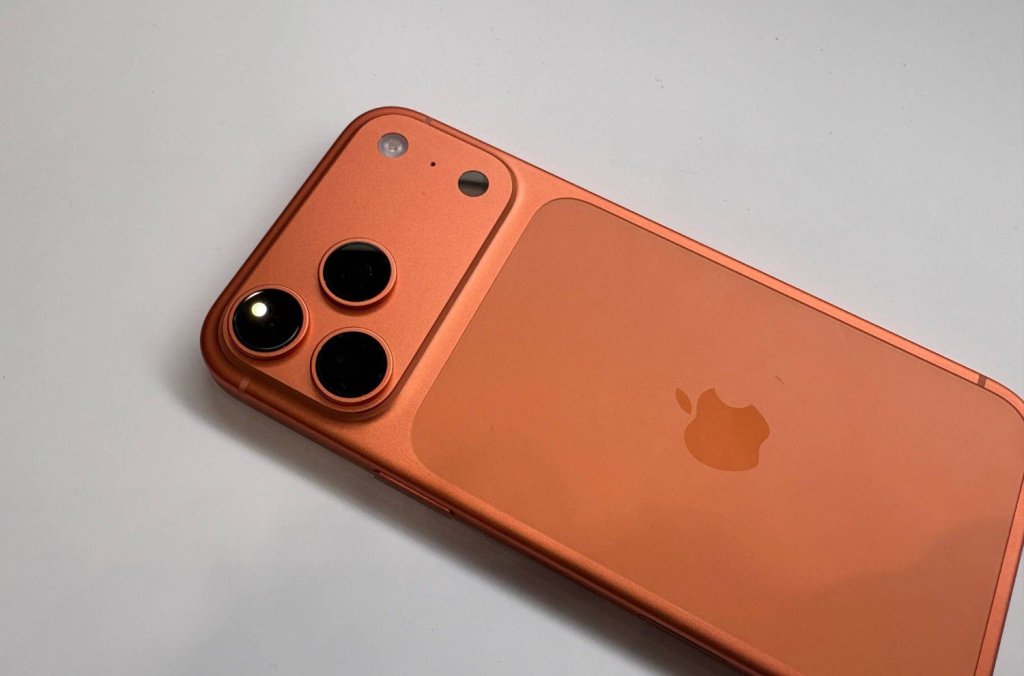
Apple didn’t stop there. The iPhone 17 Pro, always the poster child for Apple’s tech bravado, came with a surprising twist. While earlier Pro models leaned into titanium for that high-end feel, this year’s version swaps it out for an anodized aluminum unibody design.
Apple’s rationale? It’s all about heat dissipation, with aluminium capable of 20 times more efficacy than titanium, thanks to an internal vapor chamber. Aesthetic purists might grumble, but those interested in practical performance will appreciate it. The iPhone 17 Pro introduces a tri-camera system, all 48-megapixel shooters, tackling ultrawide, main, and an impressive 8x telephoto zoom. It also introduces simultaneous front-and-rear video recording, a feature that content creators are bound to love. Accessories like TechWoven cases and crossbody straps round out the Pro experience, blending utility and style.
Apple Watches gets some Incremental (and some Incredible) Upgrades
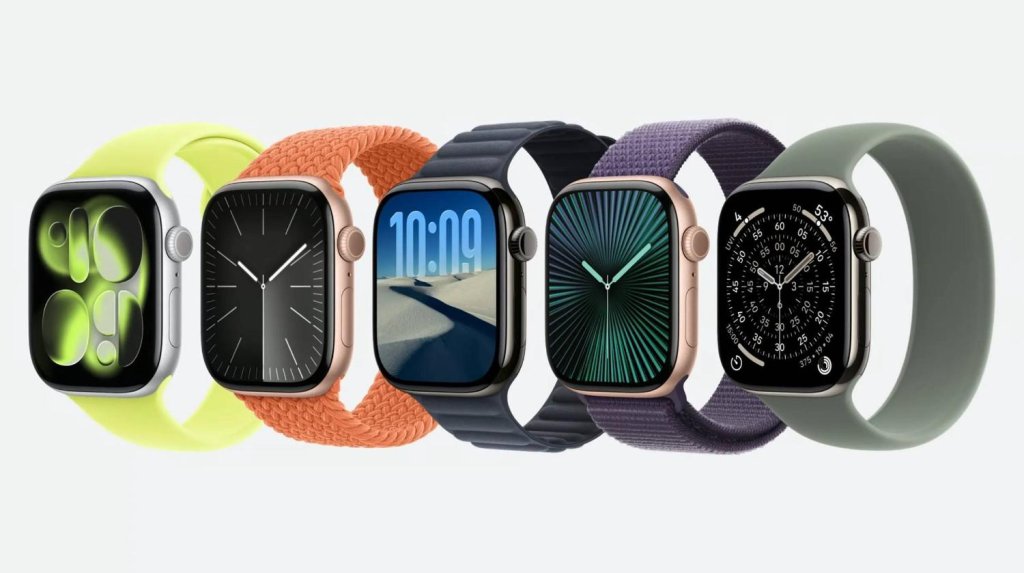
Apple’s wearable ambitions remained firmly on display with the Apple Watch Series 11, which now supports 5G connectivity and live translation, perhaps turning your wrist into the ultimate polyglot.
The Series 11’s standout addition is hypertension notifications, awaiting FDA clearance but poised to redefine personal health monitoring. A modest design update accompanied the internal enhancements, including a new space gray color. The price starts at $399, making it a tempting option for those who want a health-savvy smartwatch without breaking the bank.
But if you thought Apple was done tinkering with watches, think again. The Apple Watch Ultra 3 proudly unveiled the largest display ever seen in an Apple Watch. It boasts a refresh rate that can drop to 1Hz for that ultra-low power always-on display mode, extending battery life to a whopping 42 hours. The Ultra 3 is (of course) connected to the web, but it can also hook up to satellites for text messaging in remote areas off the grid. Though visually subtle compared to the Ultra 2, the addition of hypertension tracking elevates its health credentials. Starting at $799, it seems Apple is betting on adventurers willing to pay for cutting-edge tech and top-notch battery life.
Listen Closely…it’s the All-New Airpods
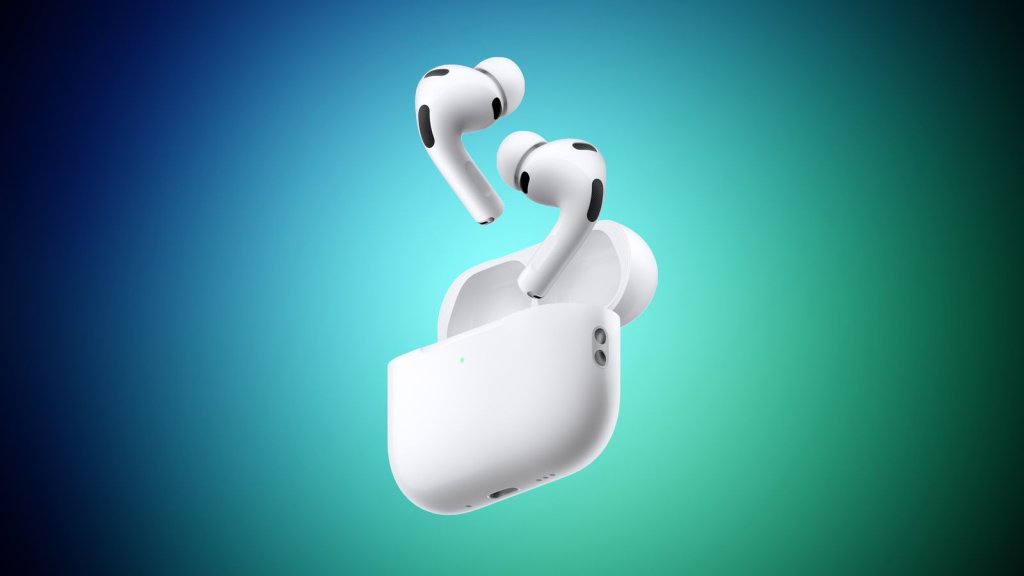
Last but far from least, Apple introduced the AirPods Pro 3. While they may look suspiciously similar to their predecessors, a closer inspection reveals significant upgrades. The new earbuds now house Apple’s smallest-ever heart rate sensor, transforming them into a mini health-tracking device.
They are also rated IP57 for water and dust resistance, making them sturdier than ever. The headline feature, though, is live translation. By simply holding both stems, users can converse with foreigners while having their speech translated in real-time, with transcriptions appearing on the iPhone screen. It’s a feature that could finally make broken-English mishaps a thing of the past. In addition, Apple claims their active noise cancellation is now four times more effective than the original AirPods Pro, while the bass performance gets a boost thanks to new vents.
This year’s Apple event felt like a master class in balancing ambition with subtlety. There were no radical redesigns, no revolutionary paradigm shifts, but a meticulous layering of improvements that seem both inevitable and necessary. The thin iPhone Air, Pro models that finally embrace high-refresh displays, wearables more attuned to health and survival, and earbuds that aspire to be the Swiss Army knife of audio gadgets—all point toward a company that understands its user base’s quiet demands better than anyone.
Whether these announcements will galvanize consumer frenzy or simply fuel incremental upgrades remains to be seen. But while Apple hasn’t blown minds with their latest announcements, you can be certain competitors will be busy taking notes and aping some of these new features and looks in double-quick time.