

Politics
Trump’s Latest Tariffs: Tough Talk, Familiar TACO?

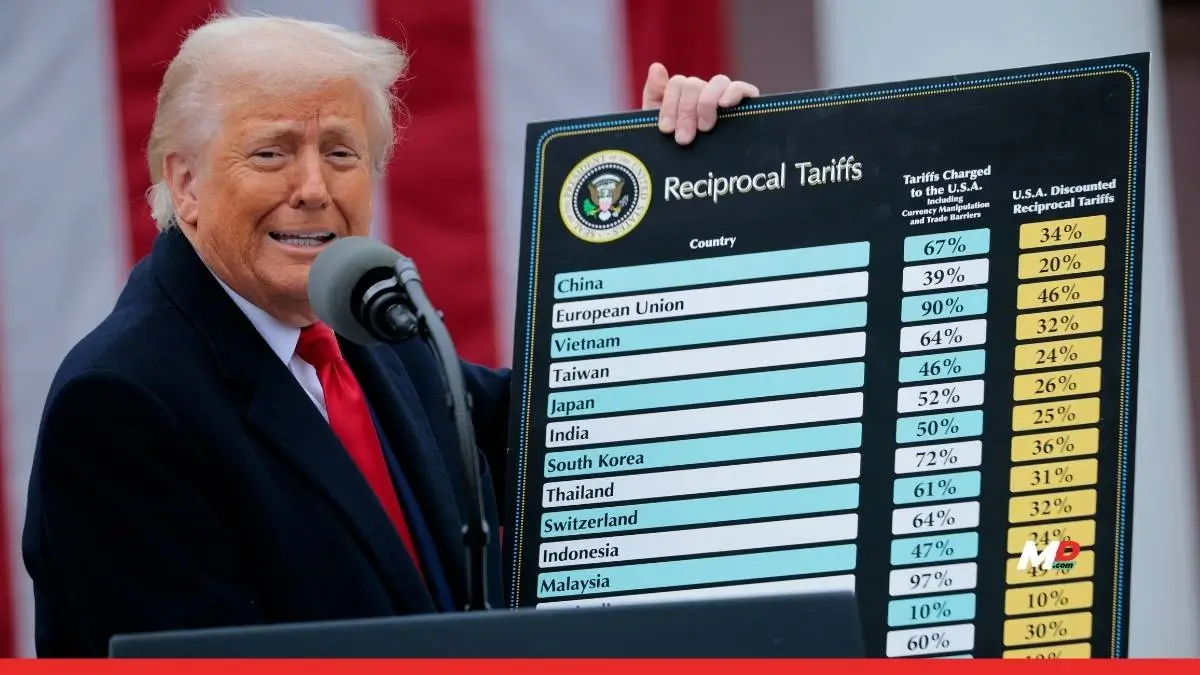
Donald Trump is once again brandishing tariffs like a broadsword, threatening allies and adversaries alike. His latest salvo – a 35% tariff on Canadian imports effective August 1 and a staggering 50% tariff on Brazilian goods – is only the newest chapter in a tumultuous saga of trade threats, brinkmanship, and backpedalling that markets have come to recognise as TACO: Trump Always Chickens Out.
Announced via letters and his social media platform, these tariffs are positioned as a push for “reciprocity.” Canada, warned of even higher duties if it retaliates, joins Brazil, Japan, South Korea, and a growing list of nations now navigating Trump’s tariff regime. Trump claims his strategy will protect US manufacturing, rebalance unfair trade, and secure domestic jobs. Yet history suggests that while his rhetoric is loud and confrontational, his actions often stop short of full implementation.
Take Brazil. Trump’s decision to slap a 50% tariff on Brazilian imports is tied not to trade imbalances alone, but to politics. The former president accused President Lula da Silva of conducting a “witch hunt” against his political ally Jair Bolsonaro, who faces criminal prosecution over his attempts to overturn Brazil’s 2022 election. Lula, invoking Brazil’s new Economic Reciprocity Law, has vowed equal retaliation if the US fails to negotiate, asserting that “Brazil is a great, sovereign country” that will not tolerate tutelage.
In practical terms, Brazil’s economic clout is limited, but the politics are potent. Trump’s open backing of Bolsonaro is a gift for the embattled far-right leader, boosting his camp despite his electoral ban until 2030. Yet Brazilian agribusiness, a stronghold of Bolsonaro’s support, risks collateral damage if an all-out tariff war erupts, threatening exports of oranges, coffee, and beef to the US.
Canada, meanwhile, finds itself once again the target of Trump’s favourite trade narrative. For decades, he has argued that America’s northern neighbour reaps disproportionate benefits from cross-border commerce. His administration’s “America First” revamp of NAFTA into USMCA had already tested Ottawa’s patience. Now, Prime Minister Mark Carney faces a conundrum: retaliate and risk escalation, or concede and embolden further aggression.
But markets are no longer rattled by these threats. Investors have coined the term “TACO” to reflect Trump’s history of economic flip-flops: Trump Always Chickens Out. The pattern is predictable – dramatic declarations, deadline extensions, threats of even bigger penalties, and then strategic retreats. It’s a cycle that began during his first term with China tariffs, repeated itself with EU steel duties, and is now playing out again.
Carolyn Kissane, Professor at NYU’s Center for Global Affairs, noted that Trump’s credibility has eroded. “It resembles the boy who cried wolf. He believes this tactic gives him leverage to negotiate, but it weakens the threats.” Economist Justin Wolfers frames it starkly: “The language I use is ‘TACO Trump’ versus ‘tariff Trump.’” The danger, Wolfers warns, is if he flips from TACO mode to actual implementation. The economic fallout could be vast, driving up prices for American consumers and disrupting global supply chains just as recovery stabilises post-pandemic and amidst wars in Ukraine and Gaza.
Trump’s former Commerce Secretary Wilbur Ross suggests the president’s patience is running out. “At some point he has to stop suspending and put things into effect. Hopefully, he will do that on this August date.” Yet Ross admits such sweeping tariffs are “ambitious” and risk retaliation from all directions.
Brazil’s response has been decisive. Lula’s Economic Reciprocity Law, enacted in April, allows Brazil to suspend trade, investment, and intellectual property concessions against countries harming its competitiveness. While the law is largely symbolic given Brazil’s trade profile, it signals that Latin America’s largest economy is unwilling to roll over, even if the practical fallout is severe.
In Canada, there is quiet fury. Ottawa is weighing countermeasures, but analysts argue Trudeau’s Liberal government was already unpopular due to economic stagnation and cost-of-living crises; Carney stepping into this geopolitical maelstrom could define his early tenure as prime minister.
Amidst it all, Trump continues to portray himself as the great negotiator, posting on Truth Social that tariffs are making America “BOOM.” Yet ordinary Americans feel differently, with groceries, consumer electronics, and industrial inputs all poised for price spikes if his threats materialise.
Ultimately, Trump’s trade brinkmanship appears less about long-term strategy and more about short-term political spectacle. Supporting Bolsonaro bolsters his own MAGA narrative abroad. Threatening Canada revives familiar populist talking points ahead of the 2026 midterms. But markets remain unconvinced, viewing this as yet another TACO moment.
For now, Wall Street is shrugging off the August 1 deadline. But the real question is whether Trump, emboldened by market calm and his base’s applause, will finally cross the Rubicon. If he does, the economic reverberations will be global. If he retreats once more, TACO will remain the defining feature of his trade legacy: big talk, minimal follow-through, and a world left bracing for the next tariff tantrum.