

Viral
Cursed or Collectible? Labubu Dolls Likened to Ancient Demon

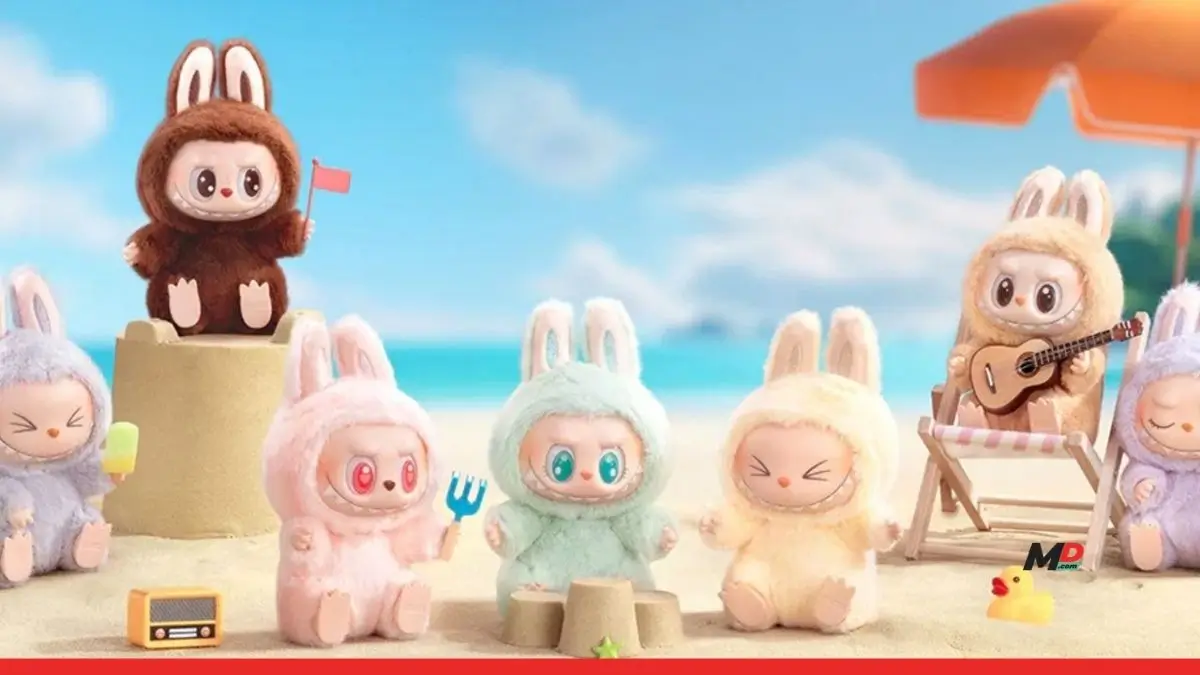
In a sea of collectible trends, Labubu has emerged as the perfect paradox: adorable yet eerie, playful yet haunting. Created by artist Lung for his 2015 fairytale graphic novel series The Monsters, Labubu was never meant to be just another cute face. With its signature wide eyes, razor-toothed grin, and pointed ears, this peculiar character was designed to be both “kind-hearted” and “mischievous”—a personality now captured in more than 300 toy iterations released by Chinese toy brand Pop Mart since 2019.
Labubu figures come in all shapes, colors, and styles, with a massive fan base competing to collect them, especially the coveted blind box editions that only reveal what you’ve purchased after you open them. It’s a game of chance, anticipation, and increasingly, exclusivity.
From Fairytales to Fashion Icons
The tipping point in Labubu’s rise came in 2024, when Blackpink’s Lisa casually accessorized her bag with one. The fandom exploded. Suddenly, Labubu wasn’t just for niche collectors or toy connoisseurs—it became a must-have fashion statement. But its rise to global attention hasn’t been without controversy.
TikTok Panic: Demonic or Just Different?
Enter the internet. As Labubu’s popularity grew, so did a curious wave of online suspicion. TikTok and YouTube creators began spreading eerie warnings, comparing the doll to Pazuzu, the fearsome Mesopotamian demon known for his lion face, bird claws, and serpent tail. Citing Bible verses like 2 Corinthians 11:14, some users warned that the dolls were disguised vessels of evil.
What’s ironic is that Pazuzu, in actual historical depictions, looks nothing like Labubu—and was even invoked in ancient times to ward off evil. The visual comparisons making the rounds are usually AI-generated and bear no factual connection to either the myth or the doll. And yet, the digital fear-mongering machine has roared to life.
Pop Mart Responds—With Humour
So far, Pop Mart hasn’t issued a serious statement—but they did post a tongue-in-cheek “recall notice” on April Fools’ Day 2025, joking about supernatural activity tied to Labubu. The satire was sharp and telling. It reflected the brand’s confidence in its fan base and its recognition that fear around Labubu is mostly rooted in performance, not reality.
After all, toy panics aren’t new. In the ’90s, it was Pokémon and Tamagotchis. In the 2000s, it was Harry Potter and magic wands. Today, it’s Labubu—because anything strange, quirky, or slightly off-kilter is often misunderstood before it’s accepted.
What Labubu Really Represents
Labubu isn’t cursed—it’s creative. Its popularity speaks to a cultural moment where the line between beauty and weirdness is delightfully blurred. People don’t just want perfect, smiling dolls. They want characters that feel layered, a little odd, and emotionally complex.
And maybe that’s what makes Labubu so special. It invites us to love the strange, the mischievous, the unconventional. To see charm in chaos. To remember that collecting is about connection—whether to a fictional world or a version of ourselves we don’t always get to express.
So no, Labubu isn’t a demon. It’s a reminder that what scares some might inspire others. And in a world where conformity is the default, it’s nice to see a small, sharp-toothed rebel grinning back at us from a keychain.