
Leadership
Mira Murati: The Quiet Architect of OpenAI’s Rise

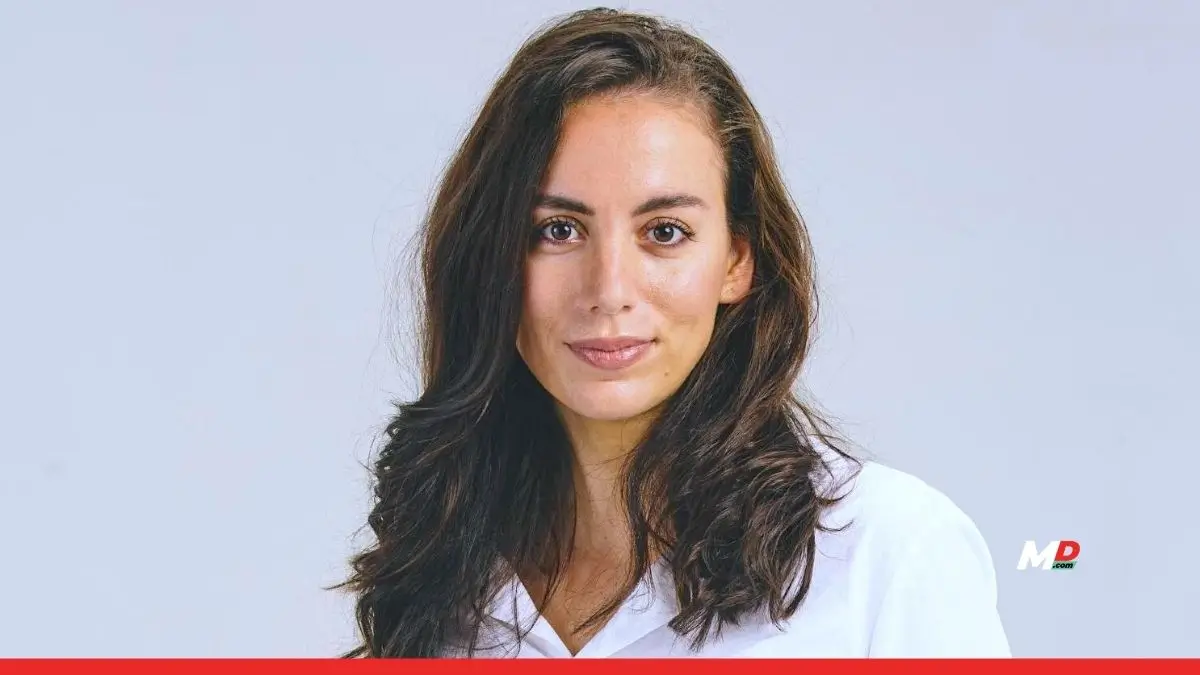
When the tech world talks about OpenAI, Sam Altman is often the face that appears in headlines. But behind the staggering $300 billion valuation, behind ChatGPT’s meteoric rise to 100 million users, and behind the scenes of one of the fastest product adoption curves in tech history, stood a woman whose name many are only now beginning to understand.
Meet Mira Murati, the former Chief Technology Officer of OpenAI. The Albanian-born engineer didn’t just help build the AI systems changing our world—she solved the one problem that every other company in the space failed to crack: how to make advanced AI actually usable.
From Labs to Living Rooms
In 2020, AI was still a marvel confined to research labs. Google, Meta, and Microsoft were all locked in a similar conundrum. Their models were powerful, but erratic. Capable, but unsafe. These tools were impressive as demos, but couldn’t function in the hands of everyday users.
Murati saw what others missed. She didn’t focus on building bigger models—she focused on the “last mile.” That final stretch between technological potential and real-world utility. Her strategy? Feedback loops. She embedded systems that learned from each user interaction. With every prompt and every conversation, ChatGPT became smarter, safer, and more human.
This philosophy—rapid iteration and user-centric design—catapulted OpenAI ahead. ChatGPT went from a research paper to a household name in weeks. It reached 100 million users faster than TikTok or Instagram. But that wasn’t a coincidence. It was the outcome of product leadership rooted in clarity and strategic depth.
Scaling More Than Code: Scaling Trust
Murati’s genius wasn’t just technical. It was organizational. She didn’t just lead product teams—she built trust into the DNA of every release. Intuitive interfaces. Thoughtful safety layers. Ethics is not an afterthought but a foundational requirement.
At a time when public fear around AI loomed large, Murati ensured OpenAI didn’t just ship breakthroughs—it shipped confidence. That trust is now OpenAI’s biggest moat. While others chased headlines, she built systems people could rely on. That’s why startups, Fortune 500s, and solo entrepreneurs alike build on OpenAI’s infrastructure. Not just because it’s powerful, but because it feels safe.
The Partnership That Changed Everything
Behind OpenAI’s pivotal partnership with Microsoft, too, was Murati’s hand. The integration of OpenAI’s models into Microsoft’s products—Word, Excel, Teams—turned AI into a daily-use utility. It wasn’t just a distribution play. It was an insight into how everyday workflows could be meaningfully transformed. It made AI ubiquitous. It made AI boring—in the best way possible.
Her leadership style was equally transformative. She prioritized momentum over perfection. Weekly model updates replaced years of insular research. Feedback loops replaced guesswork. The result was a self-improving product that served both users and OpenAI’s core mission.
A Legacy Beyond OpenAI
In 2023, during one of the most chaotic periods in OpenAI’s history, Murati briefly stepped in as interim CEO after Sam Altman’s ouster. It was a moment that showed just how integral she had become, not just to the tech but to the company’s culture and continuity. Her choice to back Altman’s return, along with hundreds of employees, reflected her quiet but unshakable influence.
Now, after six years, Murati has stepped down. She leaves behind not just a product, but a philosophy. A roadmap for how to scale AI ethically, strategically, and with humility. As companies around the world race to replicate OpenAI’s success, they’d do well to study not just its tech but the woman who turned it into something the world could trust.
Because Murati didn’t just build systems. She built belief.