

Environment
South Asia’s Monsoon Mayhem Reveals Climate Change’s Grim Toll

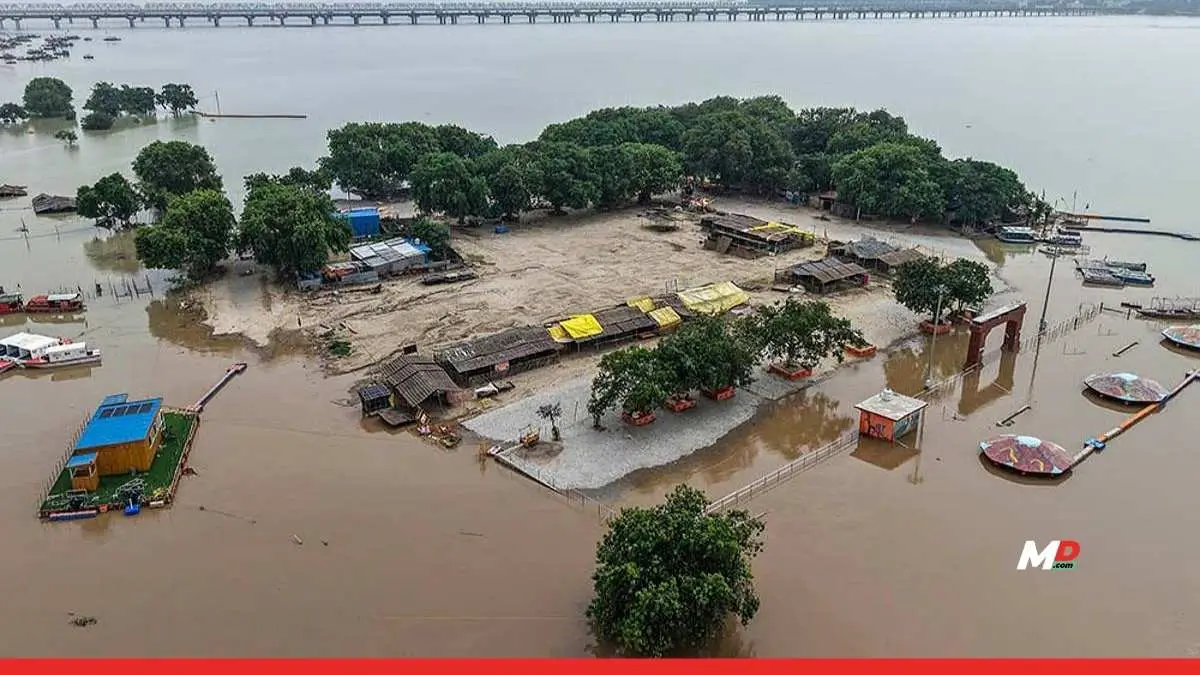
The 2025 monsoon season has delivered a sobering reminder of South Asia’s growing vulnerability to climate extremes. Dramatically intensified rainfall deluged nations including India, Nepal, Bangladesh, and Pakistan, unleashing widespread floods and landslides. Bihar, a densely populated Indian state, alongside regions across Nepal and Bangladesh, has been particularly hard-hit, experiencing disaster on a scale that has left both policymakers and citizens confronting difficult truths about future risks in a warming climate.
Rising Human and Economic Toll
This monsoon, hundreds have died and millions have been displaced throughout the subcontinent. In Bihar alone, at least 82 deaths were reported over just two days, with authorities warning that many more may go uncounted in remote, inundated communities. Homes, roads, and public infrastructure have been swept away, while crops on hundreds of thousands of hectares have been destroyed, leading to losses exceeding $200 million in Bihar and massive damages elsewhere. In Pakistan’s Punjab province, over 150 people have died since late June, many crushed in building collapses or stranded by rising waters.
Climate Change and Compounding Risks
Scientific analyses show that monsoons across South Asia are becoming both more erratic and intense, a direct consequence of warming oceans and changing atmospheric dynamics. This season’s pattern fits troubling regional forecasts, with meteorologists predicting above-normal precipitation for the Hindu Kush Himalaya and adjoining plains, increasing the frequency and severity of floods and landslides. Extreme rainfall has begun occurring in shorter bursts, overwhelming outdated urban drainage systems and rural river embankments alike.
According to climate experts, the combination of record-high temperatures, melting glaciers, and altered rainfall cycles is fundamentally reshaping South Asia’s hydrological system. Areas like north Bihar now routinely face the double threat of sudden floods followed by drought conditions, upending agricultural calendars and farmer livelihoods.
Food Security and Livelihood Impact
Floods in 2025 have led to direct loss of life, but their indirect consequences may be more enduring. Farmers have lost standing crops of rice, wheat, and maize—critical staples for local nutrition—as waters inundate fields or recede too late for re-planting. In Nepal’s Terai and north India, destroyed harvests are already translating into local food shortages and increased rural migration as families search for alternative livelihoods.
The wider impacts ripple across the subcontinent: loss of livestock, seed stores, and market access deepen food insecurity, while disruption of school and health services lays bare the fragility of rural development gains. Threats to clean water supplies after floods also drive up the risk of disease outbreaks.
Climate Governance and Adaptation
Regional governments are under mounting pressure to act on both disaster response and long-term resilience. While robust early warning systems, green budgets, and renewed river management policies have expanded across states like Bihar, implementation and inter-agency coordination remain key challenges.
International organizations and neighboring states have ramped up coordination for cross-border river monitoring, humanitarian relief, and sharing of real-time data to stem future losses. Still, experts argue that without decisive global action on emissions and local investments in resilient infrastructure and sustainable land use, extreme monsoons will only become more destructive.
Final Words
The 2025 South Asian floods are a stark indicator of climate change’s escalating human toll. As the monsoon season closes, the region faces hard questions on how to balance development, sustainability, and the urgent need for climate adaptation. The choices made today will define the resilience of nearly two billion people who depend on the monsoon—for life, livelihood, and hope.