
Business
What Is the Fifth Amendment? Why Trump Wants Nvidia CEO Jensen Huang to Testify Without Invoking It

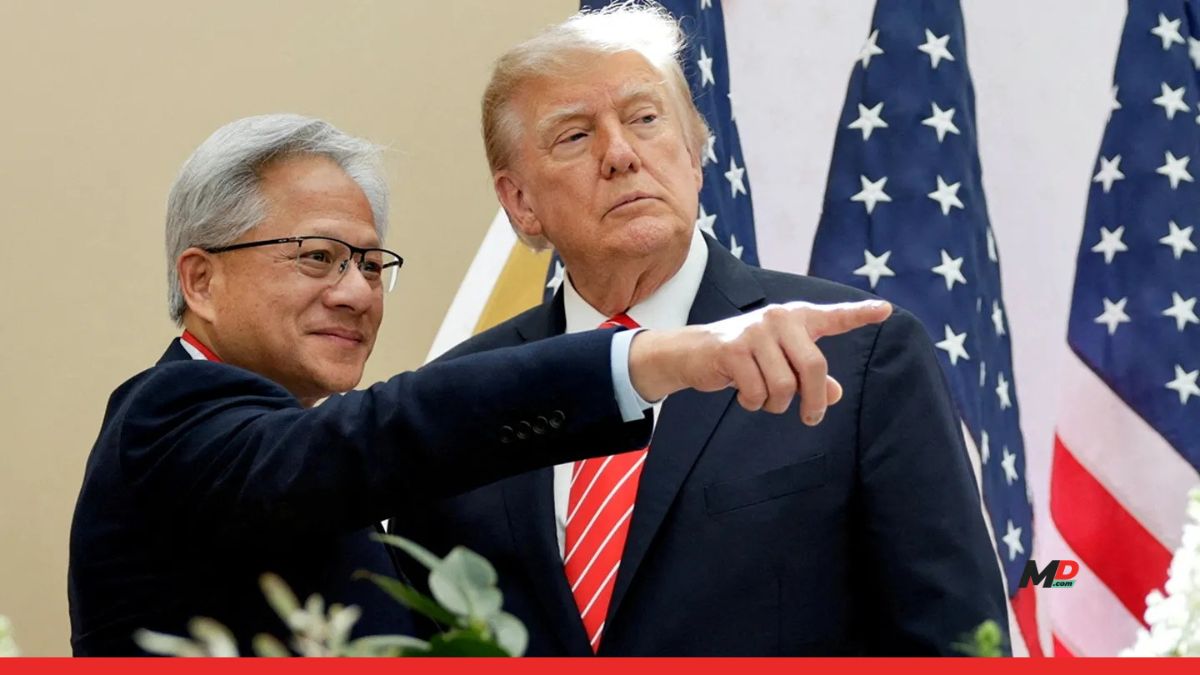
As Jensen Huang prepares to face US lawmakers over Nvidia’s China-related business and national security concerns, Donald Trump has urged him to tell the truth rather than plead the Fifth. Here is what the protection means and why it matters.
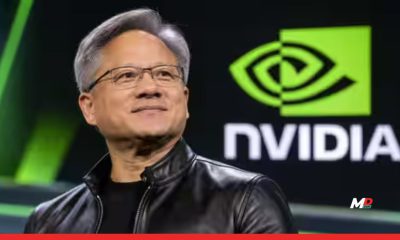
US President Donald Trump has urged Nvidia CEO Jensen Huang not to invoke the Fifth Amendment when he appears before congressional committees next week. The Times of India reported Trump’s remarks, in which he said he wants Huang to answer questions truthfully. He also said he would consider a presidential pardon if needed, though he does not expect one to be necessary.
In an interview with the New York Post, Trump said Huang’s lawyers would ultimately advise him on how to approach the hearings, and that he did not think Huang needed to rely on the protection. The comments come as Huang faces scrutiny over his reported personal associations and over Nvidia’s dealings involving China and US restrictions on advanced AI chips.
What Is the Fifth Amendment?
The Fifth Amendment is part of the Bill of Rights. Its protection against self-incrimination means a person cannot be compelled to give testimony that could expose them to criminal prosecution. This is what people mean by “pleading the Fifth.”
It is not limited to people already charged with a crime. A witness may also invoke it if answering a question could supply evidence, or a link in a chain of evidence, that might lead to prosecution. The amendment also covers other protections, including double jeopardy, due process and grand jury requirements.
Can Someone Invoke It Before Congress?
Yes. The privilege can be invoked in congressional hearings, including when a witness is under oath. It does not let a witness refuse every question, though. It generally applies when a specific answer could reasonably expose the person to criminal liability. A witness can answer on some subjects and decline others, depending on the circumstances.
Invoking the Fifth is not proof of wrongdoing. It is a constitutional right meant to stop people being forced to provide evidence against themselves.
Why Is Huang Under Scrutiny?
The scrutiny follows a period of controversy involving Nvidia, its leadership and national security. It includes reports about Huang’s relationship with a woman suspected by US intelligence officials of links to Chinese intelligence. Huang has acknowledged an affair, but the espionage allegations have not been established as fact.
Lawmakers are also expected to examine Nvidia’s China-related business, particularly concerns that advanced AI chips may have reached restricted Chinese entities through third parties. Washington has imposed export controls on certain high-performance chips, citing national security. Scrutiny has intensified since Nvidia’s board reinstated Huang as CEO after accepting his resignation earlier in November, with lawmakers questioning the circumstances of the reversal and the administration’s role.
Why Is Trump Urging Him Not to Plead the Fifth?
Trump’s comments appear to reflect public confidence in Huang. He has described Huang as trustworthy and said he wants him to answer lawmakers’ questions, while acknowledging that Huang’s lawyers will advise him.
A presidential pardon can relieve federal criminal liability for covered past offences, but its effect depends on its scope, and it does not automatically resolve state-level or other legal exposure. No pardon has been announced for Huang. Trump’s remarks described an option, not a formal action.
What Happens if a Witness Pleads the Fifth?
If Huang invokes the privilege, he could decline specific questions he believes may expose him to prosecution. Committees can continue their investigations through other witnesses, documents and evidence. In some circumstances Congress may also consider granting immunity to compel testimony, subject to legal requirements. The right does not stop lawmakers investigating or bring a hearing to a halt.
A Constitutional Right Meets a National Security Debate
The case shows how closely AI is now tied to national security, trade and government oversight. For Nvidia, the questions go beyond its CEO’s conduct to its export-control compliance and the role of advanced chips in the global technology race. The central question is not only whether Huang will invoke the Fifth, but how his testimony shapes the continuing examination of Nvidia’s governance and its place in the US-China technology contest.
Trump’s remarks about a possible pardon are comments, not an actual pardon or a guarantee of immunity. The allegations involving suspected Chinese intelligence links remain allegations, not established findings.
Sources