

Business
Affordable Housing Finds New Champions: Ahmedabad, Pune & Kolkata Shine as Mumbai Improves

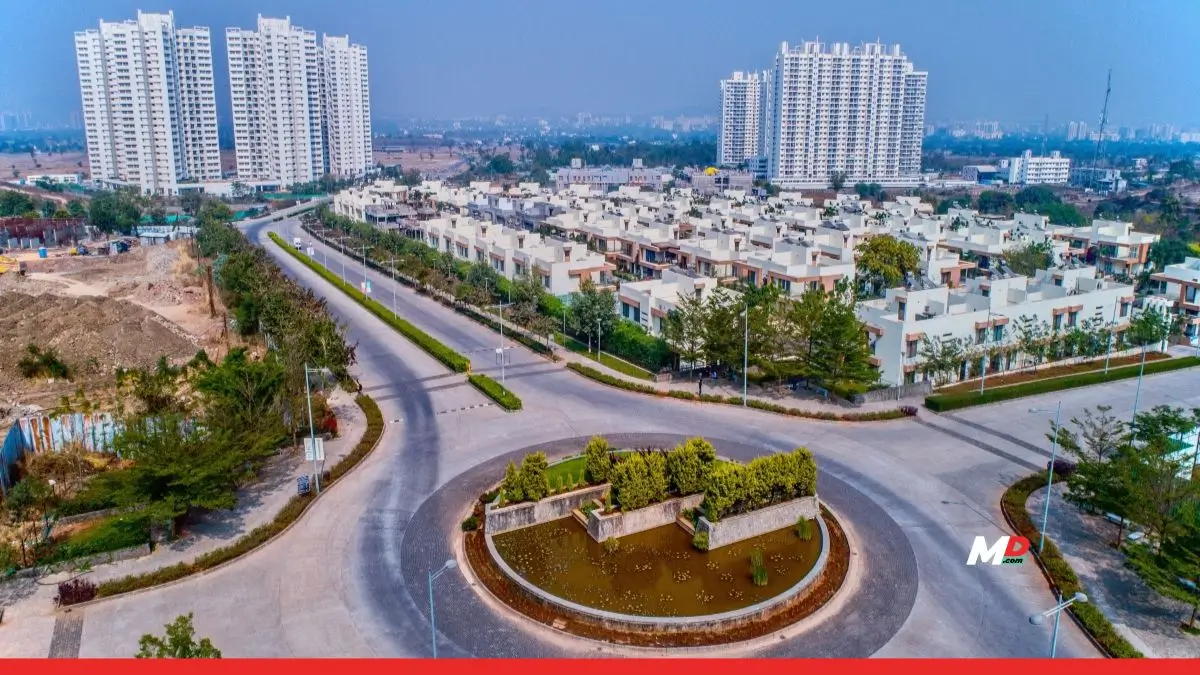
A recent drop in the Reserve Bank of India’s (RBI) repo rate has provided a boost to housing affordability across major Indian cities, with Ahmedabad, Pune, and Kolkata emerging as the most affordable housing markets, according to Knight Frank India’s latest Affordability Index.
Ahmedabad leads the pack with an affordability ratio of 18%, followed by Pune at 22% and Kolkata at 23%. This means households in these cities need to spend a smaller portion of their income on home loan EMIs. The Knight Frank Index measures the proportion of income required to repay monthly instalments on a home loan — a lower ratio indicates better affordability.
In a notable shift, Mumbai, traditionally the least affordable housing market, recorded an improvement in H1 2025. The city’s affordability ratio dropped from 50% in 2024 to 48% — dipping below the critical 50% threshold for the first time, thanks to falling interest rates and steady income growth.
In contrast, the National Capital Region (NCR) saw affordability decline, with the EMI-to-income ratio rising from 27% to 28% due to a sharp uptick in housing prices.
This turnaround comes after the RBI slashed the repo rate by 100 basis points since February 2025, after previously raising it by 250 bps between May 2022 and early 2023 to combat inflation.
“Affordability plays a critical role in sustaining homebuyer demand. With strong GDP growth and lower interest rates, 2025 should continue to support housing demand,” said Shishir Baijal, CMD, Knight Frank India.

What Do Realtors think ?

“Affordability is not just about price, but value , and Pune offers a lifestyle and long-term growth potential unmatched by any other Tier-1 city.” Said Smita Patil, MD, SPPL Group, National President, NAREDCO Mahi.
Smita further explained that as a developer based in Pune, I’ve witnessed the city’s transformation into one of India’s most dynamic real estate markets. While the latest Knight Frank report places Pune among the most affordable Tier-1 cities with an affordability index of 22%, it’s important to note the underlying challenges , particularly rising land rates.
Compared to metros like Mumbai, Delhi, or Bengaluru, Pune’s land rates have traditionally been more moderate, which has contributed to its reputation as an affordable housing market. However, over the past few years, rapid urbanization, growing infrastructure projects, and increased investor interest have led to significant hikes in land prices across prime and emerging corridors. This trend, if unchecked, could gradually erode Pune’s affordability advantage.
That said, Pune continues to hold a strategic edge. Property prices here, though rising, are still better aligned with the income growth of IT professionals, manufacturing employees, and service sector workers. The recent RBI interest rate cuts have further boosted affordability by lowering home loan EMIs, cushioning the impact of rising land costs.
From my perspective as a developer, the focus must be on smart urban planning and optimizing land use. By creating integrated townships, promoting vertical growth, and leveraging government incentives for affordable housing, Pune can continue to offer value-driven homes even as land rates climb.
Pune stands at a crossroads , poised to balance rapid growth with the need to remain India’s most aspirational yet affordable city for homebuyers.
Dr. Kettaki Kasbekar, Consultant/Independent Director said, “The first half of 2025 has brought measurable relief to homebuyers in many Indian cities, with the Reserve Bank of India’s (RBI) recent repo rate cut helping to improve housing affordability across most major urban centres.”

According to Knight Frank India’s latest Affordability Index report, Ahmedabad, Pune, and Kolkata have emerged as the most affordable housing markets among eight cities tracked, while Mumbai, long considered the costliest city for homeownership, showed signs of modest improvement.
Ahmedabad topped the affordability charts with an index level of 18%, followed by Pune at 22% and Kolkata at 23%. The Affordability Index measures the proportion of income that a household requires to fund the Equated Monthly Instalment (EMI) of a home loan for an average housing unit. A lower index score indicates better affordability. In contrast, an EMI-to-income ratio above 50% is regarded as financially unsustainable by lenders.
Mumbai, although still the least affordable among the cities surveyed, registered a notable improvement. The index fell from 50% in 2024 to 48% in the first half of 2025, slipping below the symbolic 50% threshold for the first time in the history of the index. According to Knight Frank, the drop has been driven primarily by lower home loan interest rates resulting from the RBI’s cumulative 100 basis point reduction in the repo rate since February 2025.
The RBI had previously raised the repo rate by 250 basis points between May 2022 and early 2023 to curb inflation, a move that negatively affected housing affordability across the country. With inflation pressures subsiding, the central bank shifted its stance to support economic growth, providing relief to both developers and homebuyers.
The National Capital Region (NCR) experienced a marginal decline in affordability, with its index worsening from 27% in 2023 to 28% in H1 2025. This was largely attributed to a sharp increase in residential prices, which outweighed the benefits of cheaper credit. Other cities covered in the Affordability Index include Bengaluru, Hyderabad, Chennai, and Mumbai, of which all except NCR witnessed improvements.