

Food
Making produce washing a serious food-safety step

As concerns around pesticide residues, food adulteration, and supply-chain safety grow, the humble act of washing fruits and vegetables is coming under fresh scrutiny.
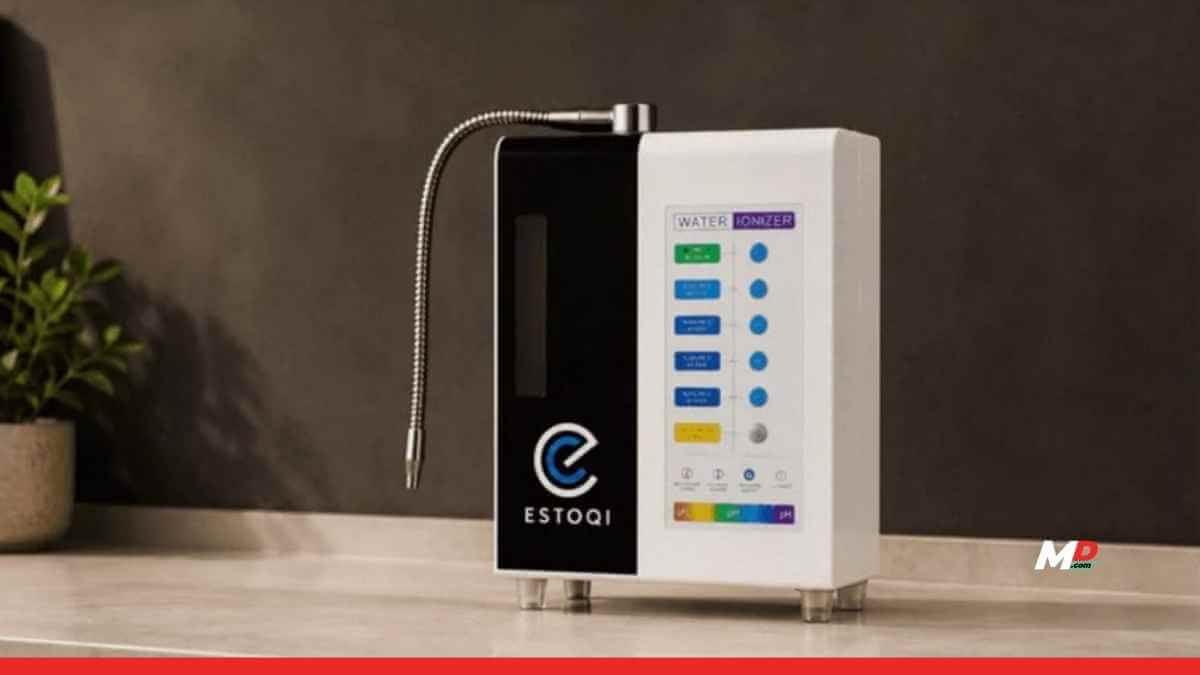
Estoqi believes produce washing should move beyond the realm of a routine household habit and become a measurable part of the wider food-safety chain. Its technology, the company says, has demonstrated up to 99% removal of surface pesticide residues in NABL-accredited laboratory testing. In this interaction, Estoqi explains the science and testing behind that claim, why India’s agricultural and supply-chain realities make produce hygiene particularly important, and what it would take to make effective washing a standard practice across institutional kitchens. Here are some excerpts from a brief interaction with the brand.
Produce washing is often treated as a basic household step. Why do you believe it deserves to be considered a more important part of the food-safety chain, particularly in India?
We tend to think of the food safety chain as ending once produce reaches a clean, well-run kitchen. Farming standards, cold chain logistics, packaging, even delivery speed, all of these have seen real investment and scrutiny over the years. Washing is the one link in that chain that has stayed exactly as it was for decades, treated as a five-second habit rather than an actual safety step.
Consider the immense scale of Indian agriculture: it is tasked with feeding over 1.4 billion people every single day. Produce must survive lengthy, multi-step supply chains and warm, humid climates and infestations before reaching a consumer’s plate. For an Indian farmer, crop failure is simply not an option, the country cannot absorb wastage on that scale. This relentless pressure directly influences crop protection choices. Farmers rely on products that are accessible, cost-effective, and proven to work. Consequently, pesticides that have been restricted or banned in other regions, such as the European Union, remain in active use across India.
Hence, it becomes vital to ensure that food is thoroughly cleaned and processed at the individual consumption level before it hits the plate.
Estoqi says its technology has demonstrated up to 99% surface pesticide-residue removal in NABL-accredited laboratory testing. What exactly was tested, under what conditions, and how should consumers interpret that figure in practical terms?
The way we test this is pretty straightforward, and it starts right where any regular consumer buys their food. We go out to local mandis, supermarkets, and quick-commerce apps, and we buy produce. Then we use a systematic random sampling method to split that batch into three identical samples (test-and-control approach).
The first sample is left completely unwashed so we can see the starting baseline. The second sample gets a 5-minute rinse under plain tap water. And the third sample is washed in Estoqi water for 5 minutes. From there, all three samples are sent off to independent, NABL-accredited labs, where they get screened against a panel of 256 different pesticide parameters as test-and-control samples.
After running over a hundred of these tests, what we found is that an Estoqi wash can remove up to 99% of surface pesticide residues. When it comes to washing off what’s resting on the surface, the difference between plain tap water and an Estoqi wash is night and day.
If produce washing is to become a standard practice in restaurants, hotels, hospitals, retailers, and other institutions, what needs to change in terms of awareness, infrastructure, and the way food safety is approached?
Look at what happened with the ‘analogue paneer’ controversy or the constant reports of adulterated milk etc. Consumers are realizing that a high price tag doesn’t equal purity. When someone dines at a top restaurant or orders from a premium retailer, they’re paying for trust, but with every new safety check and exposure, brand reputation alone isn’t helping anymore. People want actual, verifiable safety measures.
To turn produce washing into a standard institutional practice, three things need to shift.
First, awareness. We need to view pesticide removal as a core food safety step, not just an extra courtesy. Right now, safety checklists focus on what’s easy to audit, like storage temps or expiry dates, because pesticide removal hasn’t had a standardized process.
Second, infrastructure. A hotel or hospital kitchen processes produce by the tonne and operates at breakneck speed. The tech can’t involve a 15-minute soak that slows down service. That’s why we built Estoqi as a scalable platform, so high-volume kitchens can clean produce without breaking their operational rhythm.
And third, industry standards. We believe pesticide removal should become as routine an audit checkpoint as temperature logs already are, and as more independent data becomes available, we think the industry will move in that direction on its own.
