

Travel
Here’s how Ladakhi homestays are helping protect the Snow Leopard

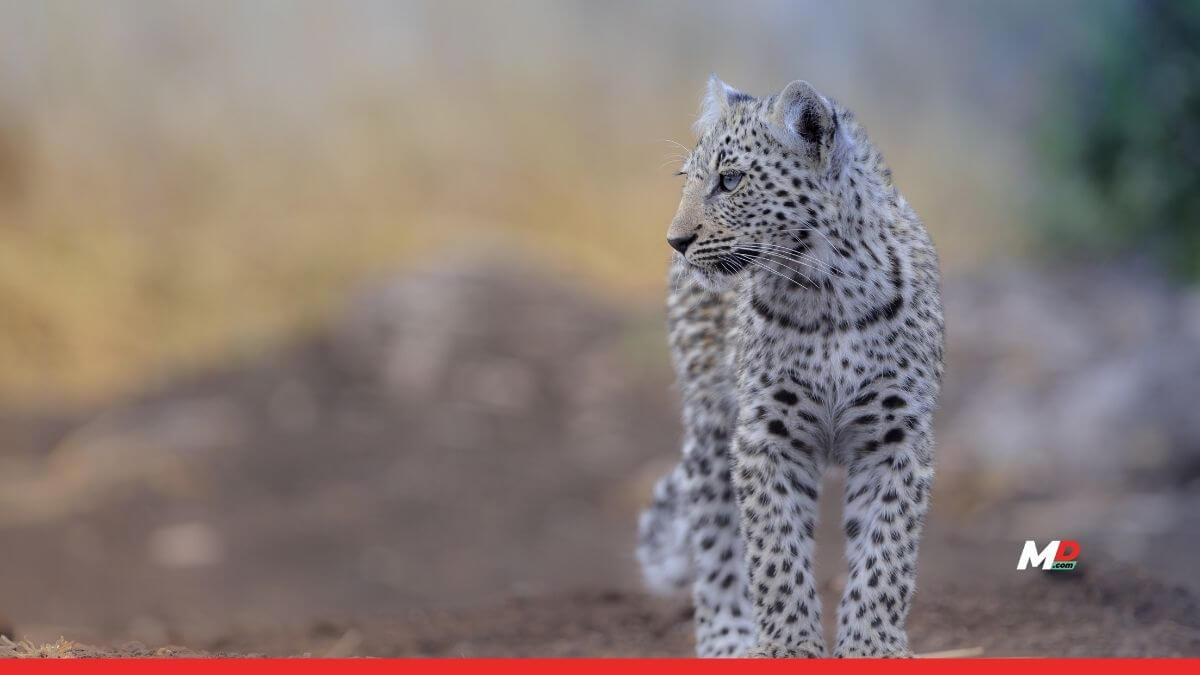
In the high-altitude desert of Ladakh, winter bites hard. The wind whips through the valleys of Hemis National Park, carrying snow dust that stings exposed skin. This is the realm of the “ghost cat”, as some call the elusive, magnificent snow leopard. For centuries, its relationship with the human inhabitants of this frozen landscape was defined by blood and retaliation.
For a herder in Hemis, a snow leopard was not a majestic icon of conservation; it was a disaster. A single night’s raid on a corral could wipe out a family’s entire livelihood, namely their sheep and goats. In a region with few economic safety nets, the response was often swift and lethal: poison or traps to eliminate the threat. The ghost cat was an enemy more than a regional icon.
But in recent years, the wind has shifted in the valleys of Hemis. A remarkable transformation has taken place, turning ancient adversaries into cautious allies, thanks to an innovative approach championed by the Snow Leopard Conservancy India Trust (SLC-IT): the Himalayan Homestay program.
The premise was deceptively simple: if the snow leopard was to survive, the local communities had to benefit from its existence. Conservation could not be an imposition from the outside; it had to be an economic reality from within.
The program encouraged villagers to open their traditional Ladakhi homes to tourists eager to glimpse the spectral predator. Visitors, previously funnelled into generic campsites, now found themselves sipping salted butter tea in warm, mud-brick kitchens, listening to stories from their hosts as a sense of community took hold. They slept under thick woollen blankets and paid their hosts directly for the hospitality.
The impact was profound. Suddenly, the snow leopard wasn’t just a livestock killer; it was the primary attraction driving a new, sustainable micro-economy.
Take the village of Rumbak, nestled deep within the park. Before the homestays, a leopard sighting near the village meant fear and anger. Today, it means excitement. When a tourist, having travelled thousands of miles and paid good money to stay in the village, spots a leopard through a high-powered scope on a distant ridge, their joy is contagious. The local guide and host family realize that the creature on the ridge is paying for their children’s education and winter supplies.
The Snow Leopard Conservancy facilitated this shift not just through homestays, but by helping villagers predator-proof their corrals, significantly reducing livestock losses. The combination was potent: fewer animals lost to the leopards, and substantial income gained because of the leopards.
The ghost cat still haunts the high ridges, its camouflage perfect against the grey rock and snow. It remains a wild, unpredictable predator. But down in the villages, the hearths burn warmer. The locals have become the leopard’s fiercest protectors, understanding that in the delicate ecosystem of the high Himalayas, their survival is now intricately linked with that of the elusive ghost they once feared. The snow leopard has been given a new lease on life, underwritten by the hospitality of the people it shares the mountains with.